


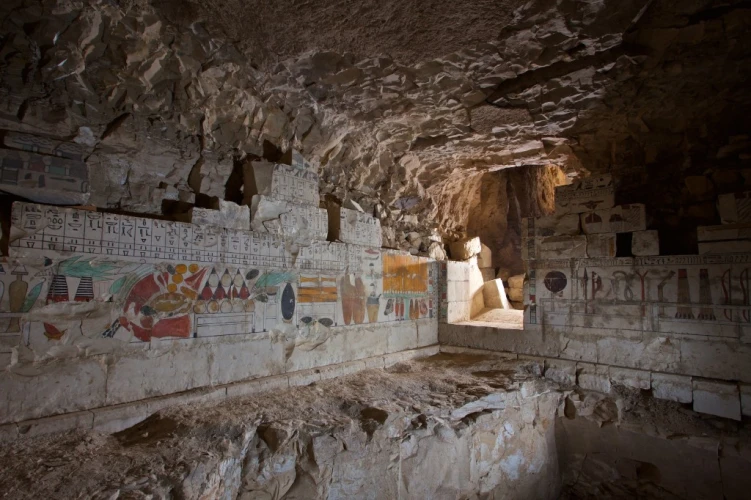
The Tombs of El-Assasif: Hidden Treasures on the Nile’s West Bank
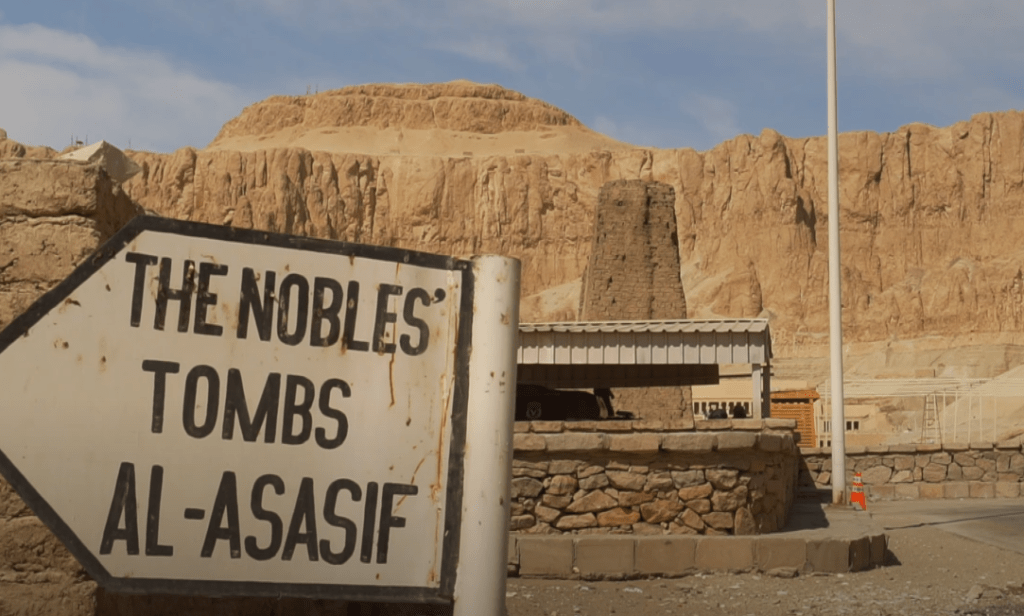
The Tombs of El-Assasif: Hidden Treasures on the Nile’s West Bank
The Tombs of El-Assasif, located on the western bank of the Nile opposite modern Luxor, represent one of Egypt's most intriguing yet underappreciated archaeological sites. The El-Assasif site provides visitors with a private view of ancient Egyptian life through its burial practices, which Egyptian high priests and nobles and royal officials used over a period of two thousand years.
Location and Historical Significance
The Theban Necropolis includes El-Assasif which serves as an extensive burial site designed for Egypt's most powerful and important historical figures. The site occupies a key position between Deir el-Bahari and Dra' Abu el-Naga because its location along the Nile made it suitable for performing funerary ceremonies and conducting religious processions.
The design of El-Assasif tombs differs from the royal tombs found in the Valley of the Kings because it serves as a burial site for high-ranking officials and priests. The tombs were constructed by excavating tunnels through limestone cliffs which people used to create detailed wall displays that showed ordinary activities and religious rituals and protective symbols for the dead who would enter the afterlife.
Chronological Span
The ancient site of El-Assasif displays through its extensive historical period the most extraordinary aspect of its existence. The archaeologists found tombs which date from different time periods that include the following:
Middle Kingdom (c. 2055–1650 BCE): The earliest tombs which provide information about ancient burial customs.
New Kingdom (c. 1550–1292 BCE): The era which brought prosperity to Egypt shows through its tombs that nobles and high priests controlled burial traditions.
25th Dynasty (c. 747–656 BCE): Nubian rulers constructed their tombs which showcased the artistic and sacred elements of Kushite culture.
26th Dynasty (c. 664–525 BCE): The Saite Period marks a time when Egyptian artists created new burial customs and artistic traditions.
The comprehensive history of El-Assasif provides researchers with essential information about how burial practices and social class systems developed through different historical eras.
Famous Tombs and Their Owners
The Tomb of Padiamenope (TT33)
The tomb of Padiamenope is one of the largest in El-Assasif and belonged to a high-ranking priest during the 26th Dynasty. The design of the building includes 22 rooms which connect to each other and spread through three underground levels that extend to a depth of 20 meters. Padiamenope's exceptional status as chief lector priest together with his position as one of the most important religious leaders of his era created the tomb's massive dimensions.
The Tomb of Harwa (TT37)
Another prominent tomb is that of Harwa, the chief steward of the Divine Adoratrice of Amun during the 25th Dynasty. Harwa functioned as a major administrative figure who managed temple estates, which established his importance to Thebes' political and religious activities. His tomb contains both a pillared hall and decorative scenes that display offerings to gods including Ra-Harakhti and show Harwa's actual appearance. The burial site demonstrates the combination of wealth and religious power and artistic creativity that existed during elite funerals.
The Tomb of Karabasken and Pedubast (TT391)
The practice of tomb reuse gets demonstrated through the example of TT391. The tomb first served Karabasken who served as Thebes mayor during the 25th Dynasty before it was used for Pedubast in the 26th Dynasty. The shifting political and religious environments of the time period created living tombs which transformed through various adaptations.
Recent Discoveries
Modern excavations have brought El-Assasif into the spotlight:
-
Middle Kingdom Family Tomb (2024): Archaeologists uncovered a tomb with 11 family burials, dating back nearly 4,000 years. It contained men, women, and children, indicating use by multiple generations. This discovery significantly extended the known history of the necropolis.
-
Cache of Coffins (2019): Thirty beautifully painted wooden coffins from the 22nd Dynasty were found, well-preserved and buried in situ. These coffins now contribute to research at the Grand Egyptian Museum.
-
Funerary Figurines (Ushabtis) and Statues: Excavations have revealed thousands of small statues and shabti figures, intended to serve the deceased in the afterlife. These artifacts provide unique insight into Egyptian religious beliefs and artistic conventions.
Cultural and Archaeological Importance
The practice of tomb reuse gets demonstrated through the example of TT391. The tomb first served Karabasken who served as Thebes mayor during the 25th Dynasty before it was used for Pedubast in the 26th Dynasty. The shifting political and religious environments of the time period created living tombs which transformed through various adaptations.
Visiting El-Assasif Today
The Theban Necropolis area provides visitor access to certain tombs which remain closed for either excavation work or preservation activities. The local guide should be contacted to arrange the visit because some tombs operate on an appointment-only basis. The El-Assasif site provides visitors with a peaceful atmosphere which allows them to experience history through personal exploration, which contrasts with the busy atmosphere of the Valley of the Kings.
The Tombs of El-Assasif
The Tombs of El-Assasif serve as a reminder that Egypt's historical accounts extend beyond the royal pharaoh narratives to include the stories of common people who served as royal attendants. Every tomb together with all its carvings and artifacts displays a complete story which describes power and faith and artistic creation, enabling present-day visitors to experience the complete cultural heritage of ancient Egyptian civilization. El-Assasif functions as a secret treasure which awaits discovery by individuals who seek to explore the complete range of Egypt's cultural heritage.



-webp.webp "Hilton")
-webp.webp "dusit")
-webp.webp "Marriott Hotels")
-webp.webp "Azimut Hotel")
-webp.webp "Golden Tulip")
-webp.webp "sheraton")
-webp.webp "westin hotel")
-webp.webp "Movenpick")