
 English
 Italy
Italy
Explore Kalabsha Temple: History, Architecture & Travel Tips for Lake Nasser Visitors
The Kalabsha Temple which sits beside Lake Nasser currently serves as an outstanding example of Nubian heritage through its well-preserved state. The temple displays historical and cultural elements through its architectural design which creates a peaceful atmosphere that visitors can personally experience.
History of Kalabsha
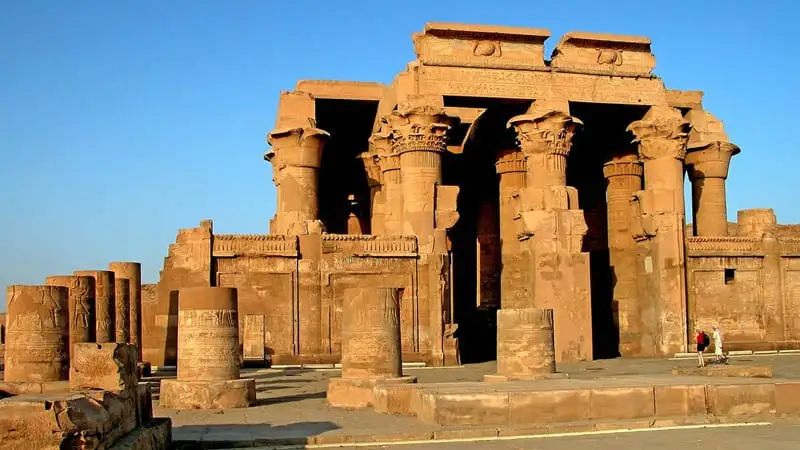
The Kalabsha Templewhich was constructed during Roman times started its existence as a sacred place before Augustus ruled in 1 BC. The Romans built the temple exactly above a previous Egyptian 18th Dynasty building that represented a site which had held religious significance for hundreds of years.
The temple which dedicated its worship to Mandulis functioned as a Nubian sun god temple that people from Lower Nubia maintained as their primary place of worship. The development of his cult shows how people in this area combined different aspects of Egyptian and Nubian religious systems. The people who worshipped Mandulis believed he had solar powers and protected them from harm according to temple traditions which persisted despite Roman imperial control.
The Great Relocation Story
The Kalabsha Temple first stood at its original location which lay 50 kilometers from the southern boundary of Aswan. The Aswan High Dam construction project of the 1960s created a danger which would flood the complete area as Lake Nasser waters began to rise.
UNESCO established an international rescue operation which worked to protect the temple. The team disassembled the temple into its individual stones which they used to build the new structure that now stands above all water levels. The project succeeded in preserving Kalabsha Temple which developed into a worldwide model for cultural heritage protection through international cooperation.
Architectural Beauty
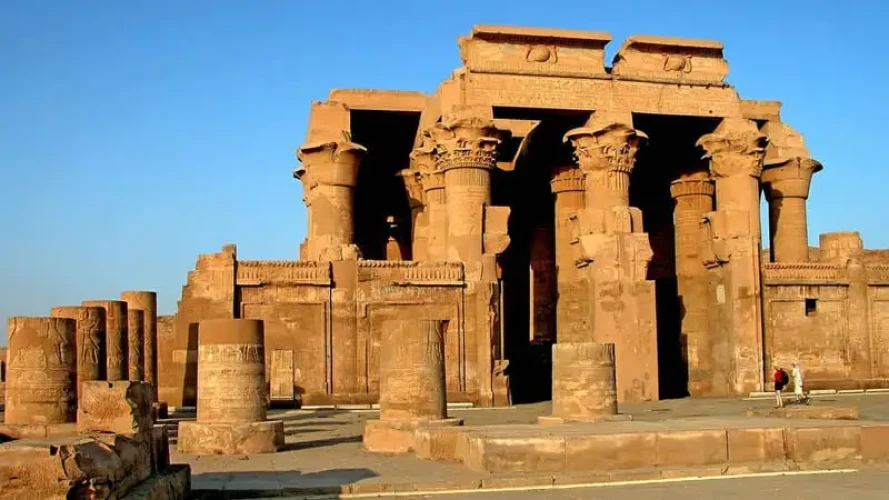
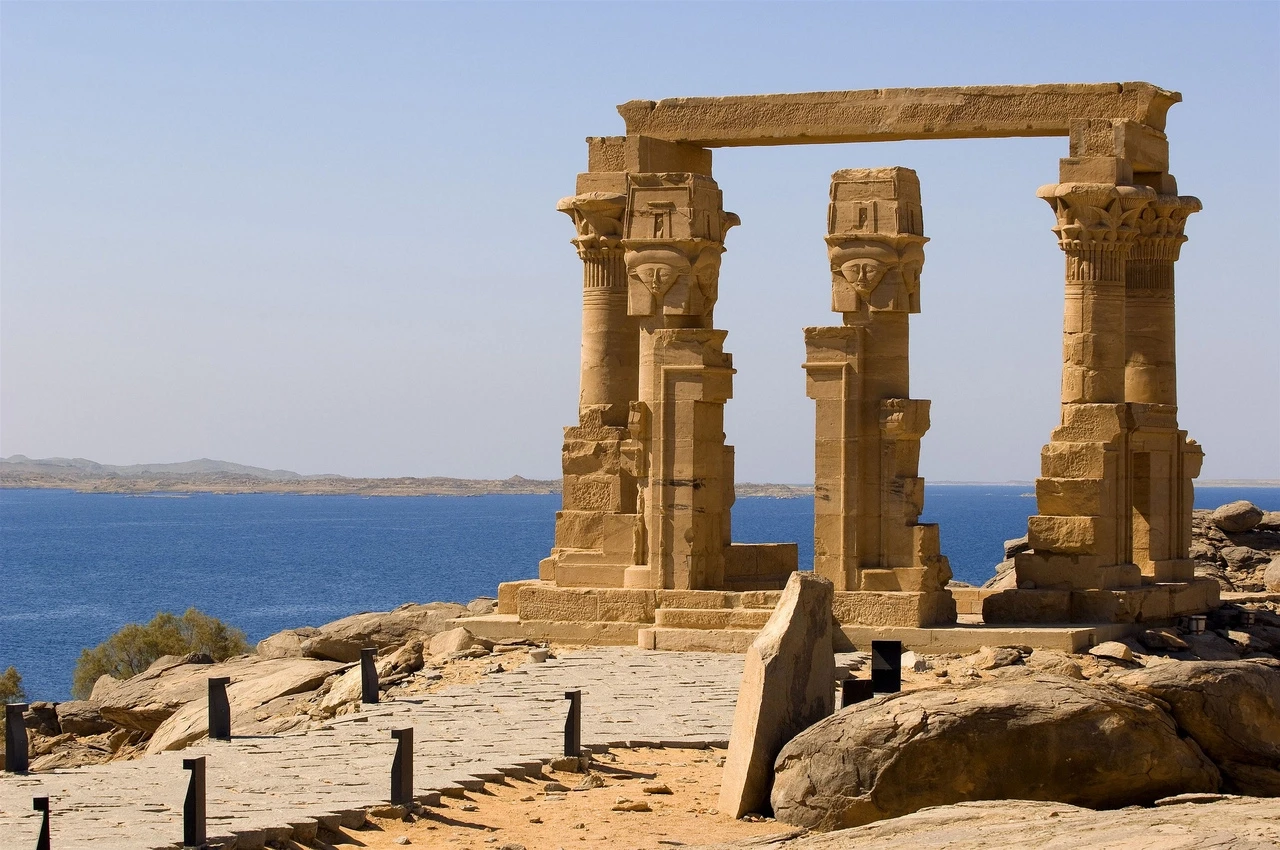
The moment you reach Kalabsha Temple the building shows its majestic presence. The temple stands as the largest independent structure in Nubia while its architectural style merges traditional Egyptian design elements with subtle Roman design elements.
The temple starts with a large pylon entrance document which functioned as the main entrance to the sacred domain that exists beyond human reach. Visitors who enter through the pylon first reach an expansive courtyard space which served as a location for both social events and religious practices.
The hypostyle hall which extends beyond the courtyard contains a covered space that architects designed to support their building through multiple rows of exquisitely carved pillars. The pillars showcase elaborate relief artwork which shows divine beings through religious activities and important symbolic designs. The carving work shows multiple detailed aspects which continue to show all original details even after many years.
The temple contains its most holy area as its central sanctuary which holds the sacred statue of Mandulis. The inner sanctum of the room maintains an atmosphere of silence that creates a mystical feeling which enables visitors to picture the past religious ceremonies that occurred there.
Art and Inscriptions
The entire surface of Kalabsha Temple walls displays intricate carvings together with inscriptions which depict religious devotion and royal power and the exchange of cultural heritage between different societies. The carvings display their most fascinating element through their representation of Roman emperors who enact traditional Egyptian religious ceremonies.
The artists created these scenes to express their artistic vision which served as their political statements. Through their religious dedication to Egyptian gods Roman emperors like Augustus tried to establish their rule over Egypt while they established links to the indigenous customs of the region.
The artwork shows how Egyptian and Nubian elements existed together in the artwork. The temple functions as a cultural bridge between two civilizations with Mandulis appearing alongside Egyptian deities who hold special significance in the temple.
Cultural Significance
Kalabsha Temple stands as an ancient structure that represents the mixed heritage of different cultures. The site displays a period when Egyptian Nubian and Roman cultures established their distinctive cultural identity. The temple shows its religious dedication through its artistic elements and architectural design which combine different styles.
The temple also serves as a reminder of Nubia’s rich history, which is often overshadowed by more famous Egyptian sites. The Kalabsha site provides visitors with a complete understanding of how different ancient societies maintained their connections throughout trade and cultural exchange in their active trading areas.
The Experience of Visiting
The most attractive feature of Kalabsha Temple lies in how visitors experience the site. Visitors to this location can find tranquility because it does not have the busy atmosphere of typical tourist attractions. The temple allows you to explore its space according to your desired speed while providing opportunities to discover hidden details.
The landscape surrounding the area creates an enchanting atmosphere. The temple area achieves an otherworldly appearance because of the peaceful waters of Lake Nasser that flow next to it. The temple water reflection during sunrise and sunset produces a magnificent scene that both photographers and travelers will enjoy.
The less busy atmosphere of the site enables visitors to experience a stronger connection with their surroundings. The location allows people to easily visualize ancient life since they stand at the exact spot where priests and worshippers previously assembled.
Why You Should Visit
Kalabsha Temple is perfect for travelers who want to go beyond the usual tourist spots and discover something more authentic. The site presents its visitors with:
A rich historical background spanning multiple civilizations
Stunning architecture and well-preserved carvings
A peaceful atmosphere
The Nubian culture and religious traditions of the region provide their visitors with distinctive knowledge.
Visitors to the site can enjoy breathtaking vistas of Lake Nasser.
The temple of Kalabsha provides visitors with its historical offerings architectural features and its peaceful scenic pathways which create an ideal space for exploration.
Practical Tips
If you intend to visit, you should follow these useful tips.
Visit early in the morning or late in the afternoon to avoid the heat
You should bring water and sunscreen and wear comfortable walking shoes.
For complete comprehension of the temple's history, you should hire a local guide.
You should combine your visit with other attractions in Aswan because it will provide you with a better experience.







-webp.webp "Hilton")
-webp.webp "dusit")
-webp.webp "Marriott Hotels")
-webp.webp "Azimut Hotel")
-webp.webp "Golden Tulip")
-webp.webp "sheraton")
-webp.webp "westin hotel")
-webp.webp "Movenpick")
