
 English
 Italy
Italy
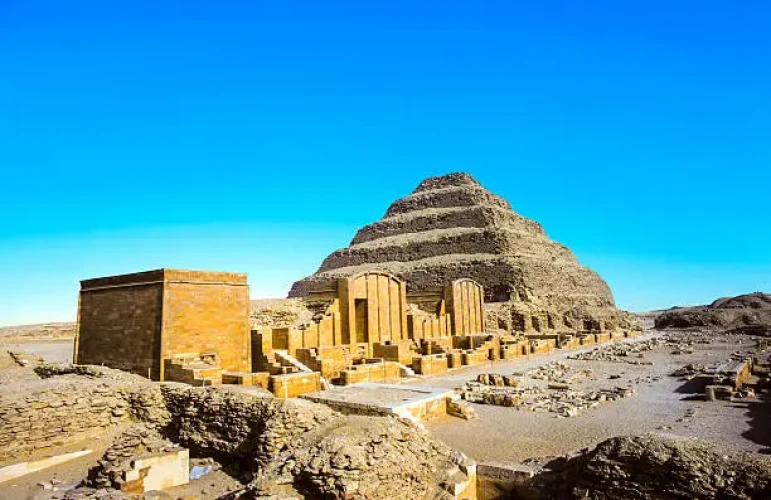
Saqqara: Discover the Secrets of Egypt’s Oldest Necropolis
Introduction to Saqqara and Its Historical Importance
Saqqara ranks among Egypt's top archaeological sites because it provides visitors with an authentic experience of ancient Egyptian history. The burial site at Saqqara served as the primary interment ground for Memphis which existed as ancient Egypt's capital city from 2500 BC until its decline in the 7th century AD.
Saqqara archaeological site contains multiple monuments which separate it from other archaeological sites because it contains various burial sites. The site contains multiple burial sites which trace the history of ancient Egyptian civilization from its initial dynastic period to the development of pyramid construction techniques. The site contains valuable heritage assets which make it one of the most important heritage sites throughout the world.
Location of Saqqara and How to Get There
Saqqara is positioned at a distance of 30 kilometers from Cairo which is located in the Giza Governorate. The site provides convenient access to local residents and international tourists.
Traveling to Saqqara leads travelers through a gradual process which takes them from Cairo's active city environment to the peaceful and vast desert scenery. The atmospheric change prepares visitors to experience a historical time period. Visitors can explore Saqqara together with nearby archaeological sites at Dahshur and Abusir to create a complete day of historical research.
The Step Pyramid of Djoser: The Beginning of Pyramid Architecture
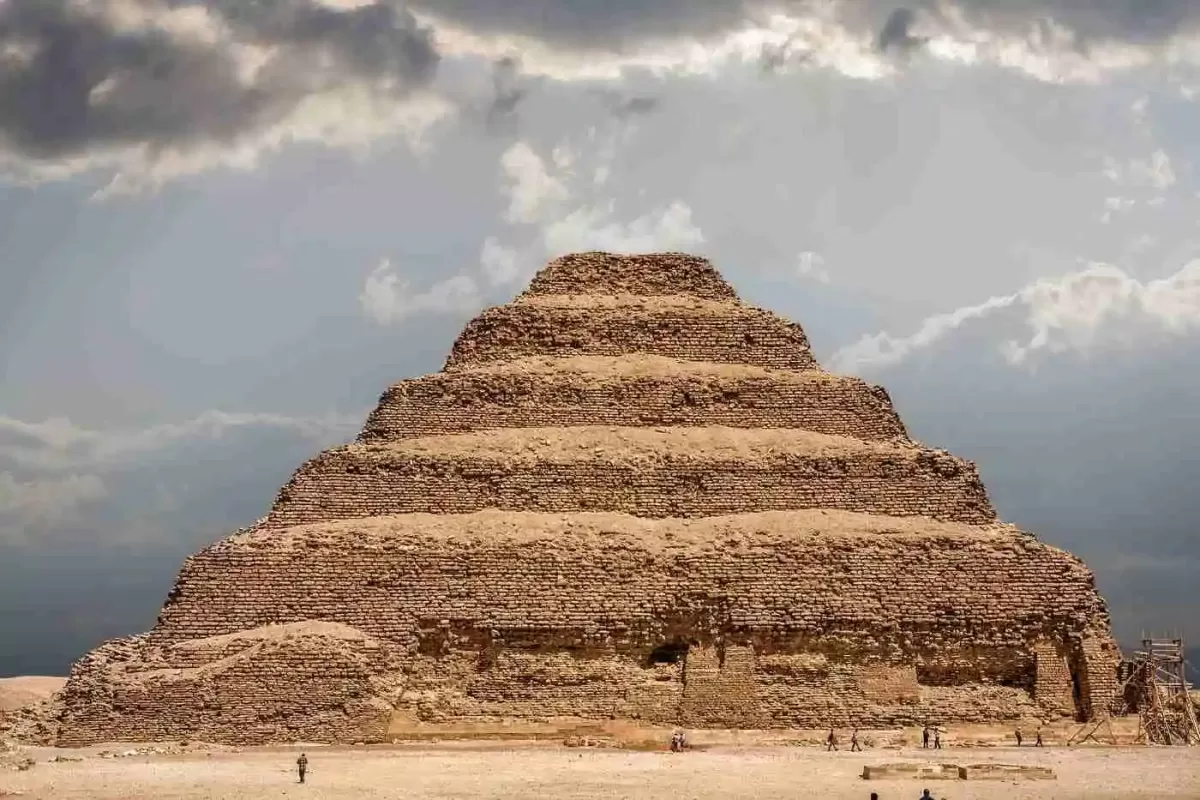
The Step Pyramid of Djoser stands as the most recognizable building in Saqqara while it marks a significant architectural achievement throughout history. The first pyramid ever built stands as a monument which the Third Dynasty architect Imhotep dedicated to King Djoser through his design of the structure. The pyramid consists of six stepped layers which developed from its initial mastaba design into an innovative architectural design. The transition period established the foundation for ancient Egyptian societies to initiate their extensive stone building projects.
The pyramid is surrounded by an extensive burial site which features entryways and ceremonial buildings and detailed stone columns. The whole complex exhibits sophisticated design expertise and religious beliefs which connect to eternal life after death.
.
Tombs of the Nobles: A Glimpse into Daily Life
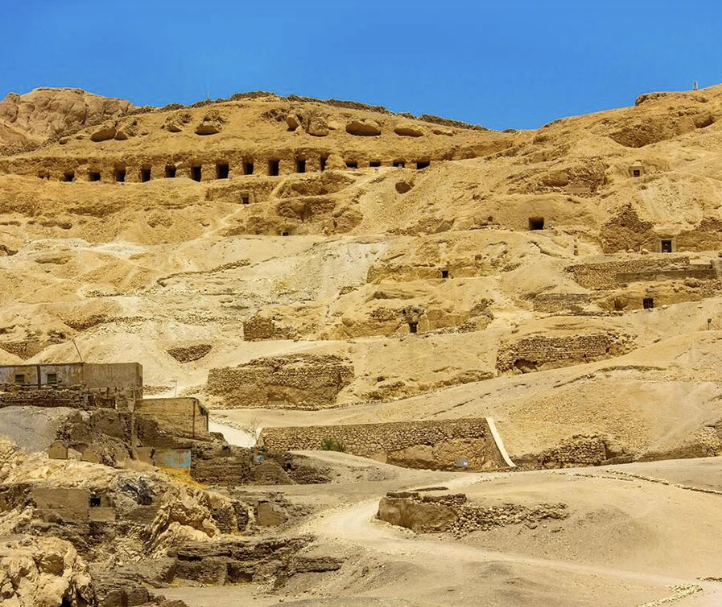
Saqqara contains its most captivating element through the noble tombs which show how ancient Egyptians lived their everyday life. The walls of these tombs contain intricate carvings and paintings which show different aspects of life including farming, fishing, craftsmanship, and social gatherings.
The scenes serve a purpose beyond decoration because people believed these scenes would allow deceased individuals to participate in these activities during their afterlife. The level of detail and artistic skill found in these tombs shows how advanced ancient Egyptian society had become.
The exploration of these tombs provides a special chance to learn about people who lived during that time and their customs and social organizations.
The Pyramid of Unas and the Pyramid Texts
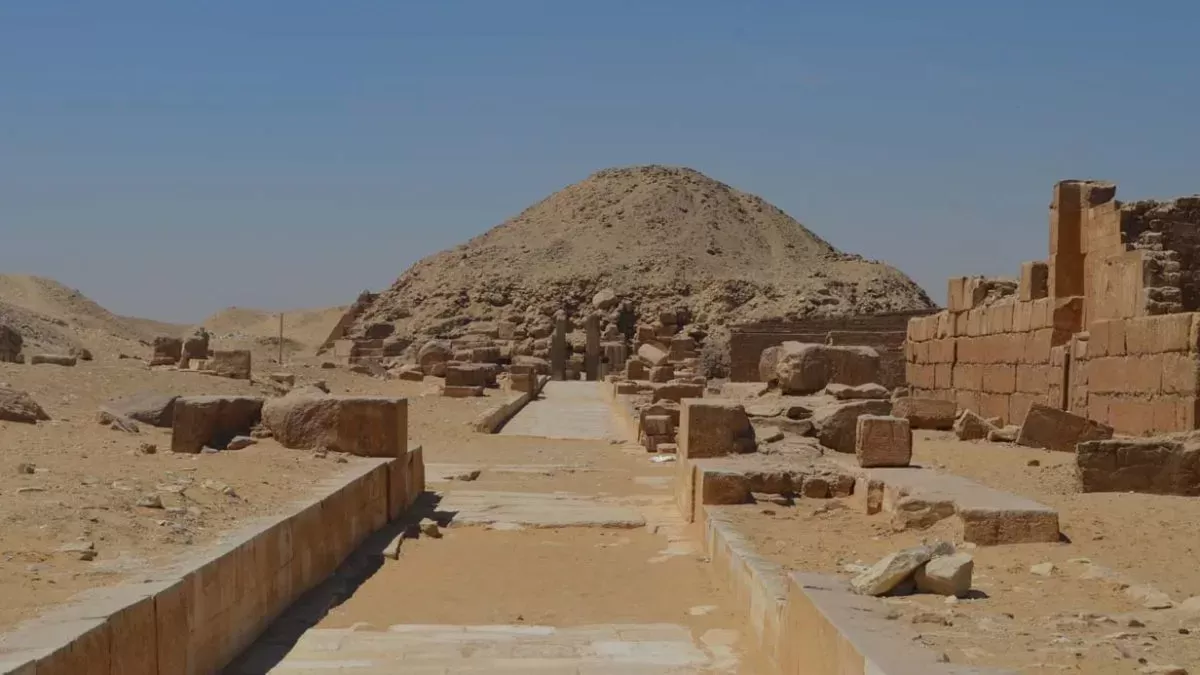
The Pyramid of Unas serves as a major historical site in Saqqara because it contains the oldest known religious writings which are known as the Pyramid Texts.
The pyramid's inner chambers display inscriptions which contain spells and prayers that serve to protect and guide the king during his afterlife journey. They provide crucial insight into ancient Egyptian beliefs about death and the journey beyond.
The Pyramid of Unas offers visitors a deep experience through its ancient writings which they can examine and the site atmosphere which creates a spiritual environment.
The Serapeum: Mystery Beneath the Sand
The Serapeum of Saqqara stands as one of the most enigmatic and captivating sections of the archaeological site. The underground structure develops through its extensive network of corridors and chambers which contain large stone sarcophagi that served as burial sites for the holy Apis bulls.
The construction of each sarcophagus utilized solid granite material which resulted in a weight that requires explanation of the engineering methods used for its movement and installation. The location demonstrates the sacred significance that the Apis bull held in the religious beliefs of ancient Egyptians.
Visitors who enter the dimly lit corridors of the Serapeum experience an overwhelming combination of wonder and secrecy which attracts people who want to learn about ancient rituals and the exceptional engineering achievements of the past.
Imhotep Museum: A Modern Gateway to the Past
The Imhotep Museum serves as an excellent introduction to Saqqara. The museum displays artifacts which were found throughout the site, including statues and tools and inscriptions.
The museum provides context which helps the visitor to understand the site better because it shows the importance of different structures and discoveries. The research connects ancient historical records with contemporary archaeological studies.
Evolution of Funerary Architecture in Saqqara
Saqqara provides visitors with an exceptional chance to study funerary architectural development through its single archaeological site. The site demonstrates how academic research progressed from basic mastaba tomb construction to step pyramid development and advanced to sophisticated pyramid design.
Architectural development shows fundamental transformations in both religious practices and social structures. The pyramid served as a representation of both life after death and celestial ascension which connected human existence to divine realms.
Best Time to Visit Saqqara
The best period for visiting Saqqara occurs from October to April because the weather conditions during this time create optimal conditions for outdoor exploration. Visitors to the site encounter difficulties during summer because temperatures reach extreme levels which prevent them from experiencing the full site.
People should visit the site during the early morning hours because it helps them avoid crowds while providing better lighting conditions for their photography needs.
Tips for Visiting Saqqara
The site requires extensive walking, so visitors should wear comfortable clothes and proper walking shoes to optimize their experience.
Bring water, especially during warmer months, and consider using sunscreen to protect yourself from the sun. A knowledgeable guide provides historical insights that will strengthen your overall experience at this location.
The preservation of these important monuments for upcoming generations depends on visitors following all site regulations.
Why Saqqara Should Be on Your Travel List
Saqqara functions as an archaeological site which allows visitors to experience ancient Egyptian civilization through its historical pathways. The entire site of Saqqara exists as a storytelling medium which showcases its architectural achievements and its elaborately adorned burial sites.
Saqqara provides an exceptional experience for all visitors which includes history lovers and travelers and those who want to learn about past civilizations. The work stands as a proof which shows both human artistic achievement and humanity's eternal search for life after death.
Visiting Saqqara offers more than an opportunity to explore ancient ruins because the experience allows visitors to connect with a culture which still motivates people throughout the world.







-webp.webp "Hilton")
-webp.webp "dusit")
-webp.webp "Marriott Hotels")
-webp.webp "Azimut Hotel")
-webp.webp "Golden Tulip")
-webp.webp "sheraton")
-webp.webp "westin hotel")
-webp.webp "Movenpick")