


Tell Basta: The Ancient City of Cats, Culture, and History
Tell Basta: The Ancient City of Cats, Culture, and History
Tell Basta stands as an archaeological site that remains hidden in the Nile Delta region which stretches across the Egyptian Sharqia Governorate close to the contemporary city of Zagazig. The Giza Pyramids and Luxor temples attract most visitors to Egypt but Tell Basta contains historical artifacts which extend through multiple centuries starting from ancient Pharaonic times until the Christian era.
Origin of the Name and Connection to the Goddess Bastet
The ancient name of Tell Basta was "Per Bastet", which translates to House of Bastet. The goddess Bastet was worshipped as a cat-headed deity who protected people and brought fertility and domestic safety. The city's devotion to Bastet established a major religious hub, drawing pilgrims from across Egypt for annual festivities and sacred rites. Cats, revered as sacred creatures, were especially valued by the local populace, a clear indication of the city's religious importance.
Historical and Political Significance
Tell Basta functioned as a religious site and an essential administrative center which operated throughout the Nile Delta region. The archaeological findings show that the city existed from the Old Kingdom period when the Fourth Dynasty began over 4500 years ago. The Middle Kingdom period saw Tell Basta develop into a vital political center which operated as an administrative authority. The excavations uncovered mud-brick structures and minor palatial remains which demonstrate the advanced building methods used during that time and their connection to the city’s administrative functions. The city attained its highest importance during the Late Period when it functioned as a regional capital and essential center for religious activities and commercial exchanges and political affairs.
Major Monuments and Structures
The Temple of Bastet
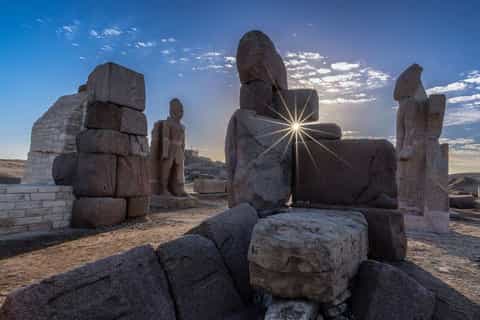
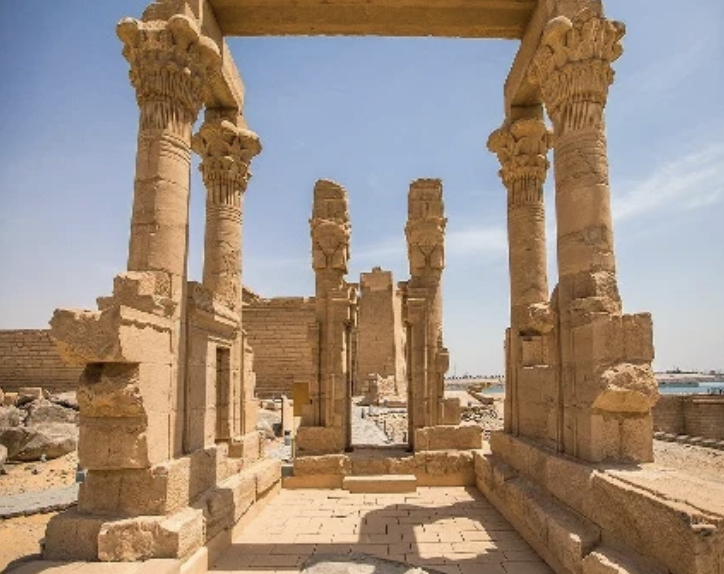
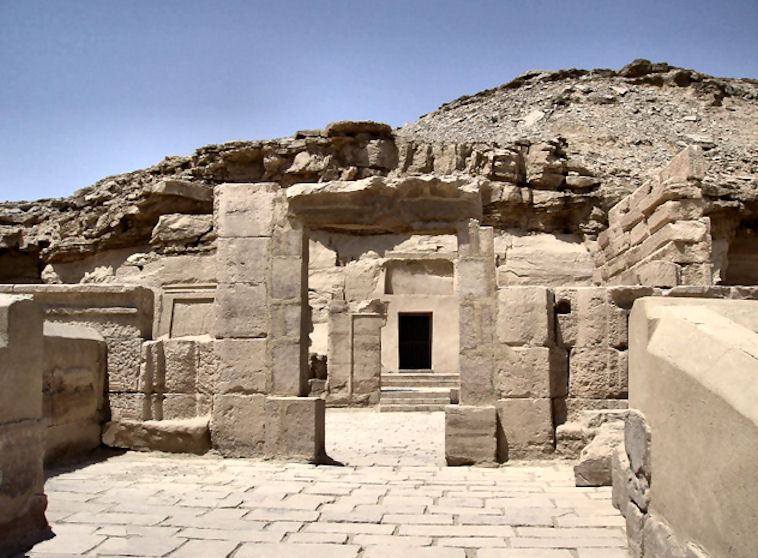
The Temple of Bastet serves as the primary architectural feature that stands at Tell Basta. The temple operated as a religious center for Egyptian society because it featured enormous protective walls and decorative columns. The archaeological excavations discovered the foundations and gateways together with their connected ceremonial spaces which showed how the goddess was worshiped through her special festivals and rituals.
The remains show how Egyptians worshipped cats because they considered them sacred animals which were important for their religious practices and everyday activities.
Royal Palaces and Administrative Buildings
The Royal Palace at Tell Basta served as the official residence for the Egyptian kings during the Middle Kingdom period. The buildings show advanced design methods through their combination of administrative and residential and ceremonial areas and their construction with mud bricks.
The existence of smaller temples from the Old Kingdom period proves that Tell Basta functioned as both a religious and political hub throughout multiple centuries.
Tombs and Burial Sites
The city contains multiple cemeteries and tombs which date back to various historical periods from the Old Kingdom until the Late Period. The burial sites demonstrate Egyptian beliefs about death and the afterlife together with the daily activities of the city's residents. The artifacts which include statues pottery and jewelry and tools represent both the tools which were interred with the dead and the burial customs of the elite members of society.
The city became important during the New Kingdom and Late Periods because of its two major discoveries which included statues of Ramses II and his daughter Meritamon.
Daily Life and Trade
The location of Basta in the Nile Delta established its importance as a commercial center. The city served as a transportation hub which enabled goods and commodities to move between eastern and western Egypt and the Sinai Peninsula. The city operated as both an economic center and a religious center according to the remaining storage facilities and docks and trade routes.
Tell Basta and the Holy Family
Tell Basta also has significance in early Christian tradition. According to local stories, the Holy Family visited the area during their flight to Egypt. The Holy Family's Well and other sites have become pilgrimage sites which combine their historical archaeological value with their religious heritage to attract both Christian pilgrims and tourists who want to learn about biblical history.
Modern Archaeological Excavations
Excavations at Tell Basta started in the 19th century and have continued through multiple archaeological campaigns conducted by both Egyptian archaeologists and international archaeologists. The Temple of Bastet emerged as an early discovery from initial work, while subsequent excavations revealed various palatial structures and administrative facilities and burial sites and artistic statues. The findings from these excavations have provided essential information about how ancient Egyptian Delta cities organized their urban spaces and practiced their religious beliefs and conducted their daily activities.
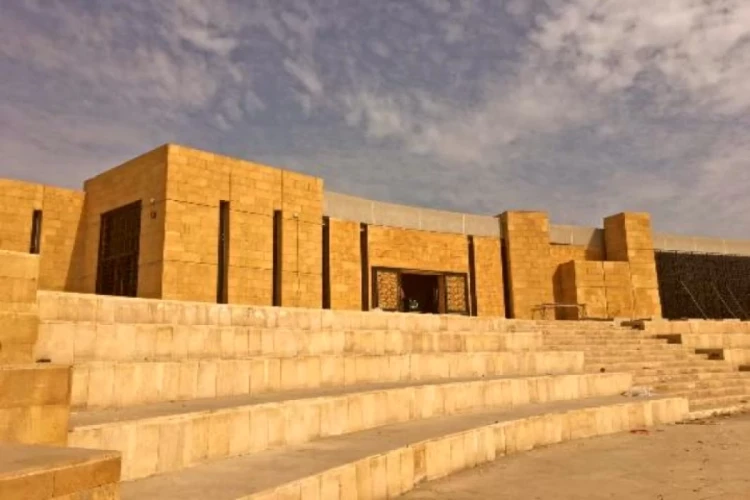
The site has undergone restoration work in recent years, and the Tell Basta Museum has reopened to exhibit thousands of artifacts which include statues and musical instruments and everyday tools that establish a direct link between visitors and the city’s historical heritage.
Tell Basta Today
The ancient world can be observed through Tell Basta which receives fewer visitors than popular Egyptian archaeological sites. The site displays multiple aspects which encompass religious practices and political governance and business operations throughout its entire area. Visitors to the Nile Delta city can walk through temples and royal residences and tombs and ceremonial structures while they picture the active environment that once existed there.
Tell Basta offers historians and archaeologists and travelers who want to experience Egypt's ancient history in a genuine and uncrowded way. The city developed over a period of thousands of years which produced a site that combined sacred spaces with administrative centers and commercial facilities.
Conclusion
The archaeological site of Tell Basta or its alternate name Per Bastet exists as more than a forgotten historical site. The city functioned as a thriving urban center during two thousand years which executed its three main activities of religious worship and governmental operations and commercial functions. The city exhibits a detailed depiction of Nile Delta life during all periods of Egyptian history through its display of Bastet worship and sacred cat ownership and royal palaces and active marketplaces and tombs that contained valuable objects.
The ongoing excavations and museum exhibits at Tell Basta since ancient times have uncovered new information which helps us comprehend Egyptian domestic life and their religious practices and city administration methods. The Tell Basta site offers visitors two experiences which include discovering an uncharted historic location and exploring the extensive cultural heritage that Egypt possesses.


-webp.webp "Hilton")
-webp.webp "dusit")
-webp.webp "Marriott Hotels")
-webp.webp "Azimut Hotel")
-webp.webp "Golden Tulip")
-webp.webp "sheraton")
-webp.webp "westin hotel")
-webp.webp "Movenpick")