



Colossi of Memnon: Luxor Egypt Travel Guide
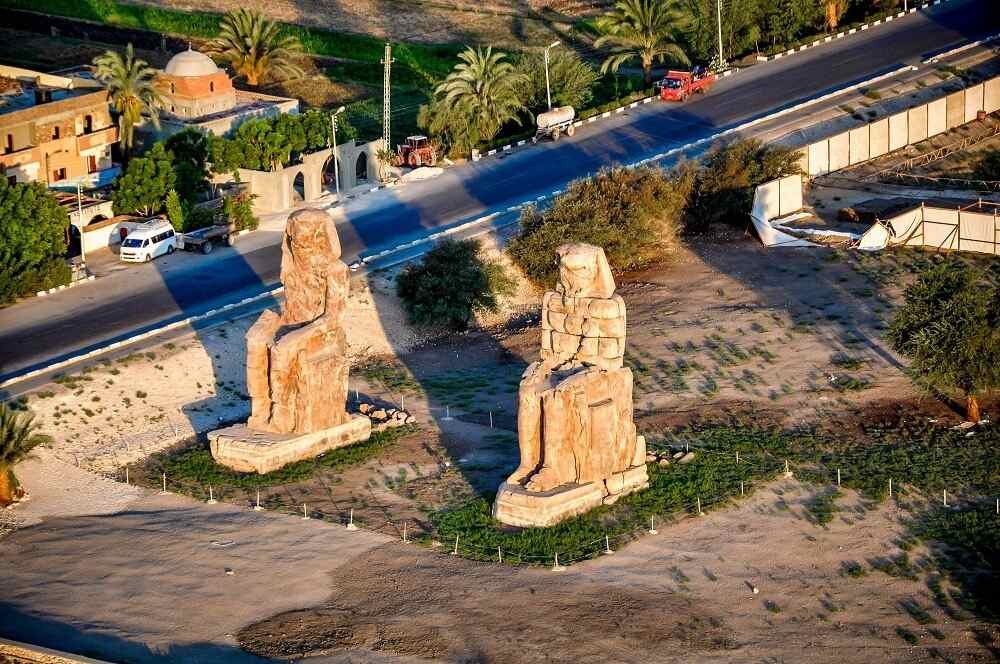
The Colossi of Memnon represent one of the most famous monuments of Egypt which they display at their location on the Nile's west bank close to Luxor. The two enormous statues have captured the interest of explorers and scholars and archaeological researchers for more than 1000 years. The guide contains all necessary information which visitors need to experience and discover and value the Colossi of Memnon.
Introduction to the Colossi of Memnon
The Colossi of Memnon are two enormous stone statues depicting Pharaoh Amenhotep III, who ruled during the 18th Dynasty of ancient Egypt. The statues reach a height of 18 meters which equals 60 feet and they have a weight of 720 tons.
The statues served as guardians for the entrance to Amenhotep III's Mortuary Temple which was one of the largest temples in ancient Egypt. The Colossi stand as a monument to the artistic and architectural achievements of ancient Egyptian civilization although most of the temple has been destroyed throughout history.
History and Significance
The Colossi were built during the reign of Amenhotep III between 1350 and 1350 BCE. They use stone blocks that workers mined from quarries located at El-Gabal el-Ahmar, which lies 675 kilometers away from Luxor.
The Greco-Roman period brought fame to the site because of a natural phenomenon which created sounds at dawn from one of the statues. The ancient traveler Strabo who became famous as a Roman historian documented the mysterious "singing of Memnon." Scientists today understand that the sounds produced by the stones occurred because of temperature variations and the stones' natural process of settling.
The Colossi serve as a permanent representation of pharaonic power through their depiction of Amenhotep III who sits with his hands on his knees while looking east towards the Nile.
How to Visit the Colossi of Memnon
Visiting the Colossi of Memnon is relatively easy from Luxor city, making it a must-see for anyone exploring the west bank of the Nile.
Opening Hours:
-
Daily: 6:00 AM – 5:00 PM
Entry Fee:
-
The site is open to the public, and fees are modest. A guided tour is highly recommended to understand the historical context.
Transportation Options:
-
By car or taxi from Luxor: 15-20 minutes
-
By Nile ferry and walking tours: Combine with other sites like the Valley of the Kings or Deir el-Bahari
Tips for Tourists
The optimal time for visiting the site occurs during early morning and late afternoon because it provides relief from high temperatures and optimal lighting conditions for photography.
Guided Tours: The professional guide services deliver complete historical and legend details about the Colossi.
Photography Tips: The best time to photograph the statues occurs during sunrise and sunset because it creates strong dramatic shadows.
Nearby Attractions: Your visit should include Mortuary Temple of Amenhotep III and Valley of the Kings and Medinet Habu Temple.
What to Wear: The open desert environment requires you to wear comfortable walking shoes and a hat and sunscreen.
Interesting Facts About the Colossi
The northern statue which performed ancient singing is known as the northern statue. Contemporary researchers believe that stone material generates sounds through its natural process of thermal expansion and contraction.
The statues remain standing because multiple earthquakes throughout history have only caused minor damage to their structure.
The Colossi of Memnon have been included in literary works and travel accounts and cinematic productions for more than 1000 years.
The weight of each statue reaches about 720 tons which needed advanced engineering methods to move and set up the statues.
Combining the Colossi with Other Luxor Sites
The West Bank of Luxor contains numerous archaeological sites which act as a treasure trove of archaeological treasures. When visiting the Colossi, consider combining your trip with:
Valley of the Kings: Explore the tombs of Pharaohs, including Tutankhamun.
Mortuary Temple of Hatshepsut: Known for its stunning terraces and architecture.
Medinet Habu Temple: Impressive carvings of Ramesses III's military victories.
This system provides visitors with an opportunity to see all aspects of ancient Egyptian history throughout a single visiting period.
Why Visit the Colossi of Memnon?
The Colossi provide visitors with a special experience because of multiple factors which make the site unique.
Historical Significance: Visitors can observe the final surviving part of Amenhotep III's extensive burial complex.
Architectural Marvel: The monument's massive size together with its intricate details showcase the exceptional abilities of ancient Egyptian craftsmen.
Photographic Opportunities: The Nile and desert landscapes create a perfect setting for capturing pictures of the iconic statues.
Cultural Connection: Visitors can experience the lasting influence of one of the oldest civilizations in human history.
Practical Information
The West Bank location exists in Luxor which is situated in Egypt. The closest urban center to the location exists in Luxor which takes 15 to 20 minutes to reach by automobile. Visitors need to bring water and wear sun protection while they should think about getting a local guide. The site provides mostly open space which includes flat areas that permit moderate walking tours.
Conclusion
The Colossi of Memnon function as historical statues which provide access to ancient Egyptian historical knowledge. The two statues allow visitors to visualize both the historical Egyptian temple complex of Amenhotep III and the reactions of ancient visitors who heard the mythical "singing statue" performance.
The Colossi of Memnon make an essential Luxor travel destination for all visitors who love history and photography and explore the city. The ancient Egyptian monuments allow visitors to travel back to history and see the ancient Egyptian world in its full glory.




-webp.webp "Hilton")
-webp.webp "dusit")
-webp.webp "Marriott Hotels")
-webp.webp "Azimut Hotel")
-webp.webp "Golden Tulip")
-webp.webp "sheraton")
-webp.webp "westin hotel")
-webp.webp "Movenpick")