


Ancient Egypt Highlights: Must-See Historical Sites
The historical record of Ancient Egypt established itself as an enduring captivating civilization which achieved impressive architectural work and developed sophisticated engineering techniques while maintaining deep religious practices. The Nile corridor between Cairo and Luxor and Aswan contains multiple outstanding historical sites which travelers can today visit throughout Egypt. The various sites demonstrate the evolution of ancient Egyptian society from its Old Kingdom roots until the Greco-Roman period.
The guide presents essential historical sites which every itinerary to ancient Egypt must include as their fundamental elements.
The Pyramids of Giza: The Ultimate Icon of Ancient Egypt
The Pyramids of Giza which stand near Cairo, represent the most famous ancient Egyptian symbol. The Fourth Dynasty constructed these pyramids which functioned as royal tombs for pharaohs and now stand as the last remaining ancient world wonder.
The Great Pyramid of Khufu stands as the biggest and most well-known pyramid which demonstrates the exceptional engineering skills of ancient Egyptian builders. The Great Sphinx which stands nearby, displays a limestone statue that has a lion body and a pharaoh head which people believe represents power and understanding.
The site offers visitors an impressive first experience of ancient Egyptian civilization because it presents historical elements and architectural designs and mysterious aspects in one unified space.
The Egyptian Museum: A Treasure Trove of Antiquities
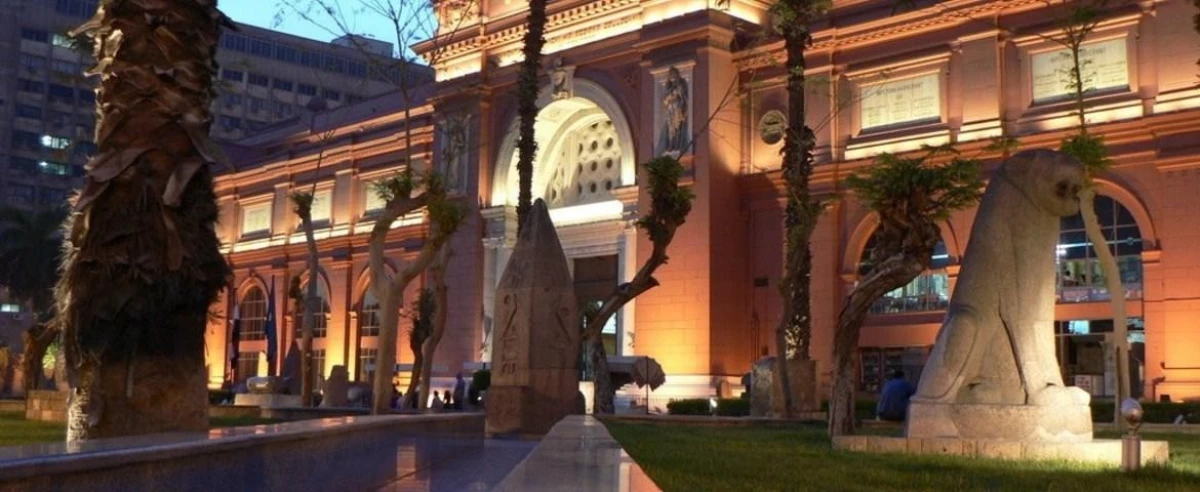
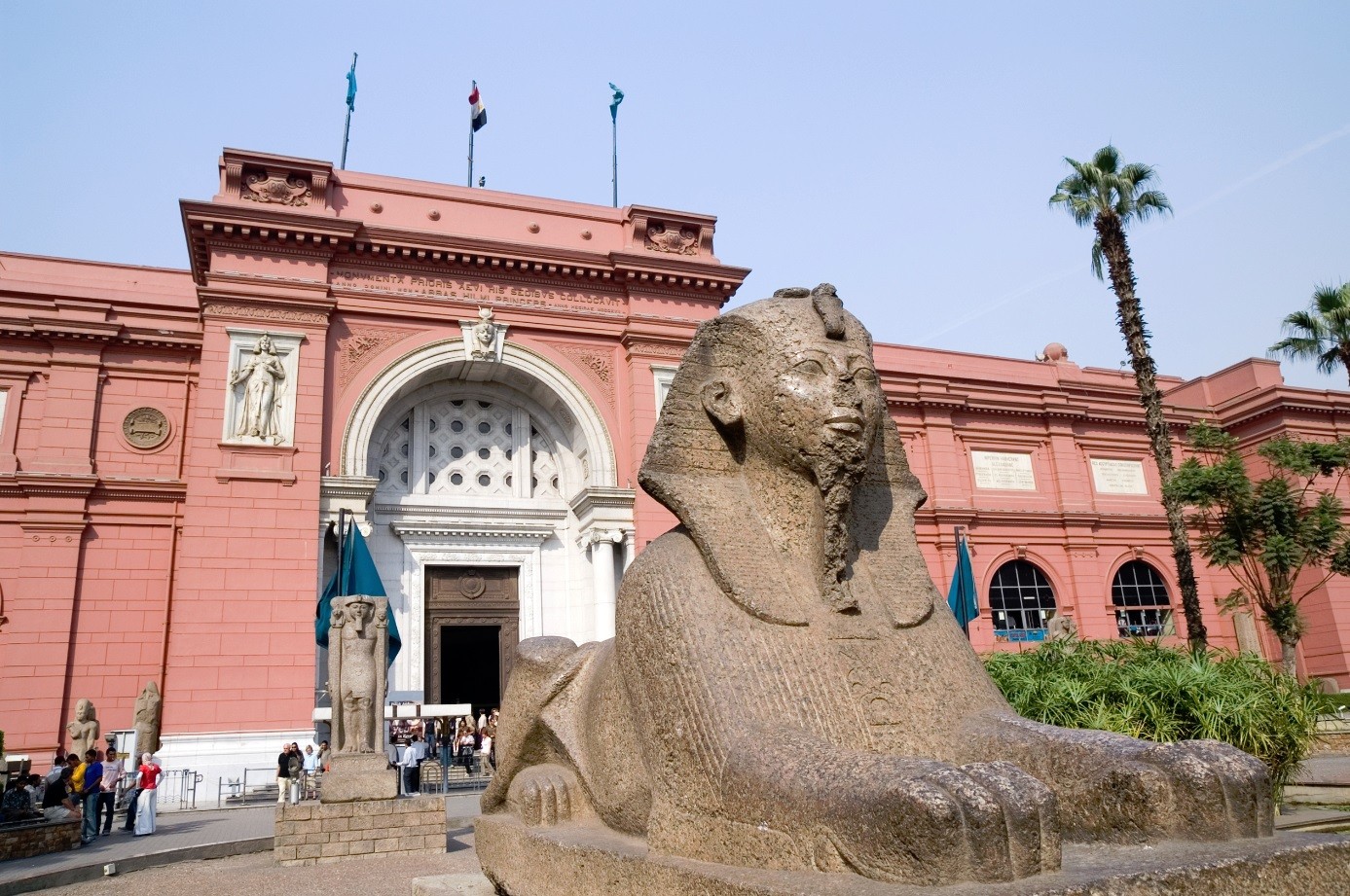
The Egyptian Museum displays one of the largest collections of ancient artifacts in the world at its location in downtown Cairo. The museum contains thousands of items, which include statues and jewelry as well as mummies and everyday objects from different dynasties.
The museum displays the Tutankhamun tomb treasures as its main exhibition, which features his famous golden mask. The museum functions as a vital institution that protects Egyptian archaeological treasures while providing visitors with an all-encompassing depiction of ancient history at one site.
Luxor Temple and Karnak Temple: The Heart of Ancient Thebes
The two most remarkable religious complexes which were ever constructed in Upper Egypt are Karnak Temple and Luxor Temple. The temples of Luxor functioned as the main religious sites for the ancient city of Thebes which served as a significant religious and political hub.
The extensive Karnak Temple complex primarily serves Amun-Ra worship through its gigantic columns and obelisks and its holy lakes. Luxor Temple which connects to Karnak through the Avenue of Sphinxes served as the site for religious ceremonies and festive events especially during the Opet Festival which honored the sacred bond between pharaohs and deities.
The temples demonstrate the extensive scale and advanced design of ancient Egyptian religious building methods.
Valley of the Kings: Royal Tombs of the Pharaohs
The Valley of the Kings serves as a burial site for New Kingdom pharaohs and their most powerful nobles, which exists on the western bank of Luxor. The desert cliffs conceal the tombs, which functioned as protective sites for royal mummies and their accompanying treasures against tomb robbers.
The tomb of Tutankhamun is the most famous discovery from this site, as it was found largely intact in the 20th century. The walls of the tombs display detailed hieroglyphics together with scenes that show the afterlife journey, which demonstrate the spiritual beliefs that ancient Egyptians held.
Temple of Hatshepsut: Architectural Elegance
The Temple of Hatshepsut, which exists close to Luxor, stands as one of Egypt's most architecturally unique temples. The temple, which Queen Hatshepsut built as her burial site, features multiple terraces that ascend the Deir el-Bahari cliffs.
The temple’s design blends naturally with its surroundings, creating a harmonious balance between architecture and landscape. The structure serves as a monument to the strength and enduring impact of one of ancient Egypt's most exceptional monarchs.
Abu Simbel Temples: Monumental Masterpieces
The Abu Simbel Temples stand as one of ancient Egypt's most impressive monuments which exist near Aswan in southern Egypt. Pharaoh Ramses II ordered the construction of these temples which he designed to demonstrate his authority by carving them directly into a mountainside of the mountain.
The larger temple features four colossal statues of Ramses II at its entrance, while the smaller temple is dedicated to Queen Nefertari. The entire complex was relocated in the 1960s to avoid submersion due to the construction of the Aswan High Dam, making it a remarkable example of modern preservation efforts.
Philae Temple: The Temple of Isis
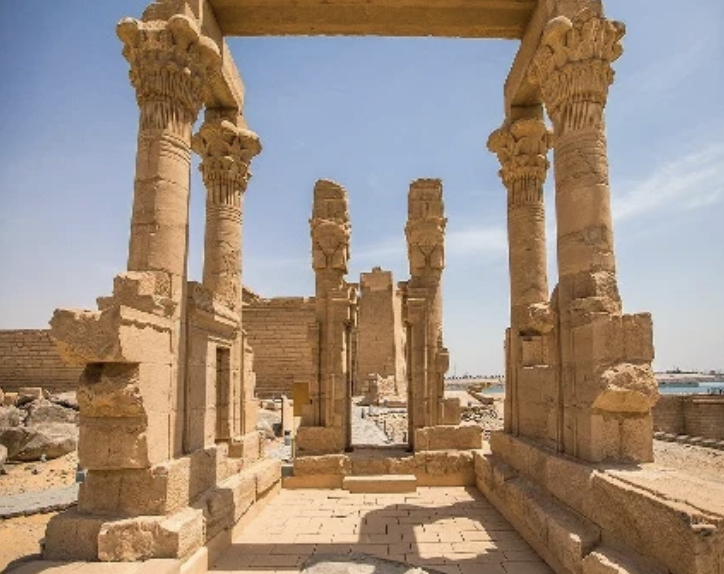
Another important site near Aswan is Philae Temple, dedicated to the goddess Isis. The temple which originally stood on Philae Island was moved to Agilkia Island as a protective measure against flooding.
Philae Temple is known for its elegant design and spiritual significance, representing one of the last places where ancient Egyptian religion remained active before the spread of Christianity. Its island location makes it a beautiful historical site which ranks among the most scenic locations in Egypt.
Saqqara and Memphis: The Origins of Pyramid Building
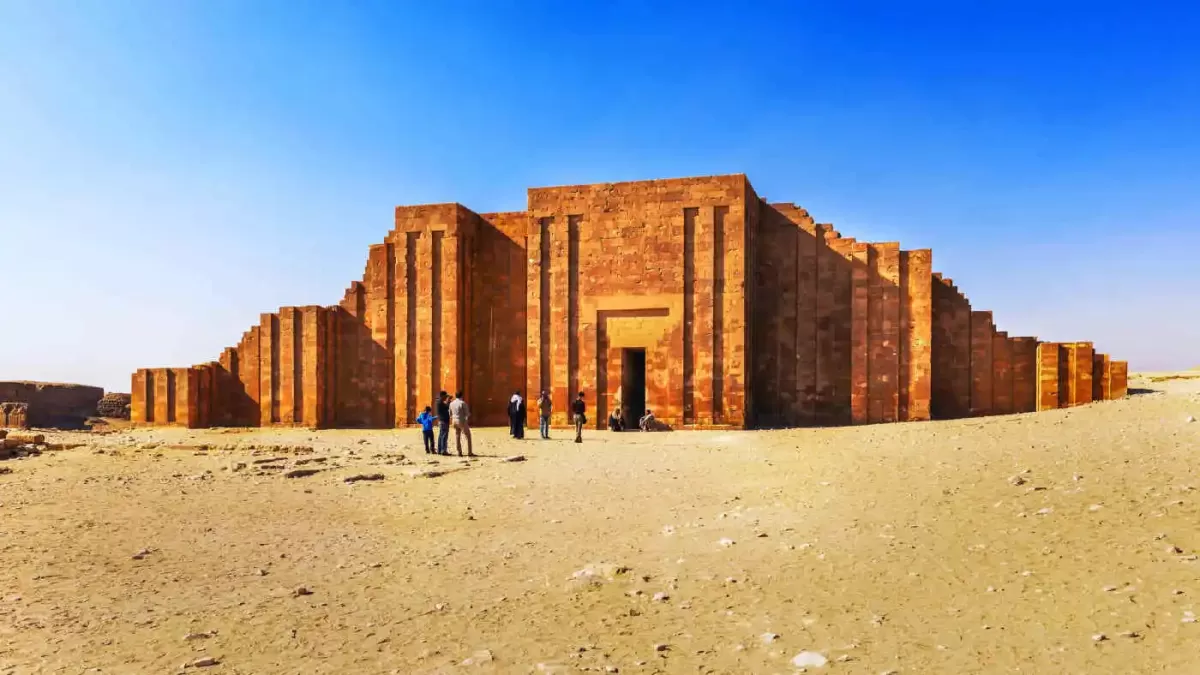
The Step Pyramid of Djoser located in Saqqara necropolis near Cairo serves as the first large stone pyramid built in Egypt. The site demonstrates a significant transformation in ancient architectural and engineering practices.
The ancient capital of Egypt during the Old Kingdom period Memphis exists as a site that lies close to this location. The site now exists as an archaeological area because much of it has fallen into ruins but it still maintains value for studying the early development of Egyptian civilization.
The historical sites of Ancient Egypt extend throughout the entire country but their connection to the Nile creates a natural path which shows the complete historical timeline of the region. The monumental pyramids in Cairo and the temples of Luxor and the southern treasures of Aswan develop a sequential narrative about the civilization which transformed human history.
These essential sites provide travelers who wish to explore culture and archaeology and heritage with a once-in-a-lifetime experience which takes them into the pharaohs' realm through everlasting monuments and stories that still motivate people today.



-webp.webp "Hilton")
-webp.webp "dusit")
-webp.webp "Marriott Hotels")
-webp.webp "Azimut Hotel")
-webp.webp "Golden Tulip")
-webp.webp "sheraton")
-webp.webp "westin hotel")
-webp.webp "Movenpick")