
 English
 Italy
Italy
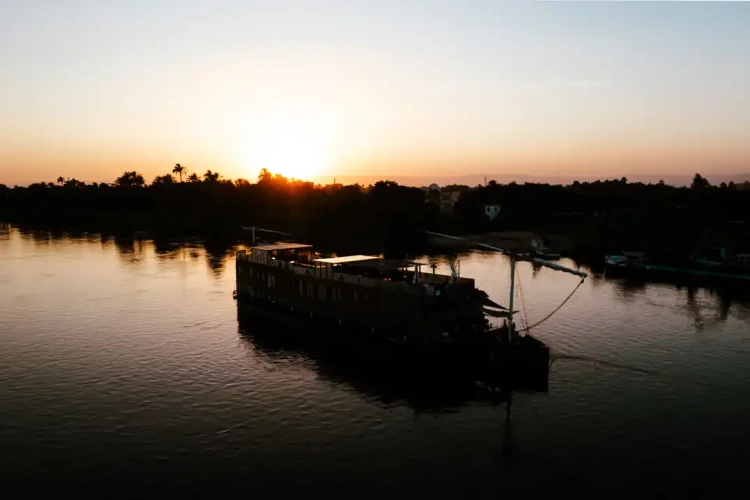
Philae Temple Complex: A Must-Visit on Your Egypt Trip
The island exists as a time-bound space which people can access by walking into its area between Nile River waters. The Philae Temple Complex stands dedicated to the goddess Isis and invites you to discover its hidden treasures. The ancient Egyptian architecture displays its religious power through its massive columns and detailed relief sculptures which present the eternal reign of deities.
The Philae Island temple complex moved to its present Agilkia Island site because rising waters from the Aswan High Dam needed to be protected. The UNESCO World Heritage site showcases both the ancient Egyptian construction skills and the contemporary methods used to maintain their architectural heritage.
The Philae Temple Complex serves as an essential stop for your Egypt tour whether you want to learn about history or appreciate architectural designs or discover something different. The moment you enter the space you will experience its everlasting aesthetic charm and deep historical roots which take you to the peak period of ancient Egyptian civilization.
In this guide, we will attempt to answer some of the most frequently asked questions about visiting the site, including:
What is the Philae Temple Complex?
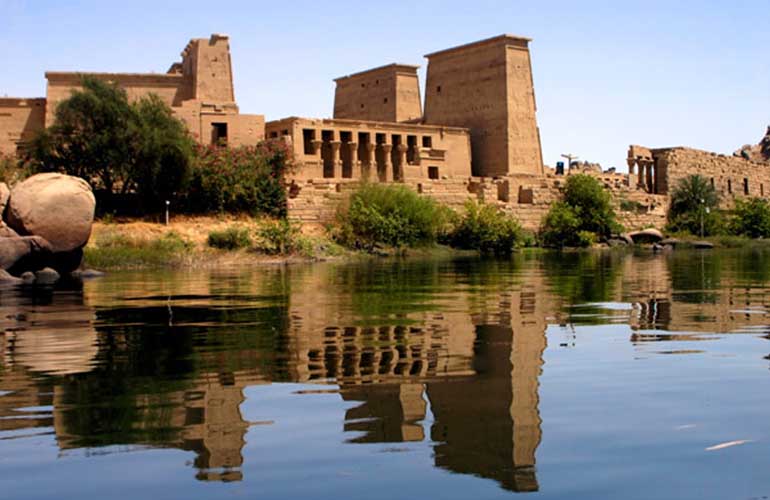
The Philae Temple Complex is a remarkable ancient Egyptian temple complex originally located on the island of Philae in the Nile River near Aswan. The site dedicated to Isis functions as the central worship site which brings together pilgrims from all parts of Egypt and from foreign lands.
The complex features multiple exquisite monuments which include the main Temple of Isis and the Kiosk of Trajan and the Temple of Hathor. The ancient Egyptian artists created these structures which display their artistic abilities through their detailed carvings and reliefs.
The temple's history connects with the Nile River because the river provided essential resources while endangering the temple's survival. The construction of the Aswan Low Dam in the early 20th century caused the island to be partially submerged for part of the year. The construction of the Aswan High Dam created a major danger for the temple complex because rising waters from Lake Nasser would completely submerge the site.
How did the Philae Temple Complex survive the construction of the Aswan Dam?
The Aswan High Dam construction during the 1960s period created a major risk to the Philae Temple Complex. The dam construction resulted in the creation of Lake Nasser which became a massive reservoir that would have flooded the island of Philae along with its valuable historical sites.
UNESCO initiated a remarkable rescue mission to protect the Philae Temple Complex because of its historical and cultural significance. The temples underwent a methodical process of dismantling which involved removing each block to transport them to Agilkia where builders constructed an island that matched the original Philae design.
The project required international engineers to work together with advanced engineering methods to protect this important Egyptian cultural site. The Philae Temple Complex continues to provide its visitors with an enchanting experience due to the exceptional conservation work that has been accomplished there.
What are the must-see monuments within the Philae Temple Complex?
The Philae Temple Complex houses a collection of impressive monuments, each with its unique historical and architectural significance.
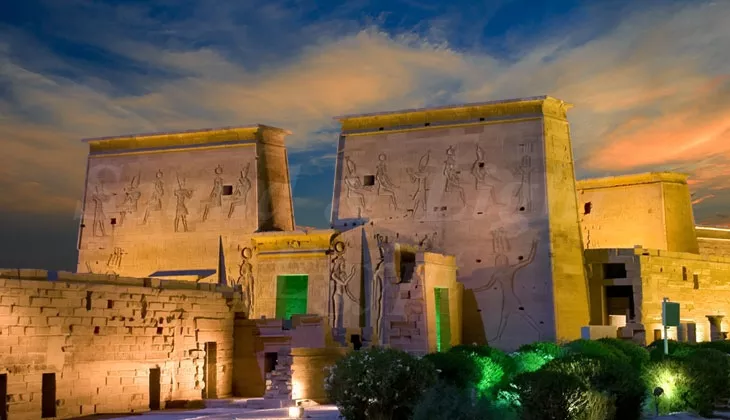
- The Temple of Isis: The main temple and centrepiece of the complex, the Temple of Isis is a masterpiece of ancient Egyptian architecture. Its grand entrance, adorned with towering columns and intricate reliefs, leads to a series of inner chambers where rituals and ceremonies were once performed. The temple walls are covered with beautifully preserved hieroglyphic inscriptions and depictions of Isis, Horus (her son), and Osiris (her husband).
- The Kiosk of Trajan: This elegant structure, built by the Roman Emperor Trajan, is known for its open-air pavilion supported by 14 intricately carved columns. It served as a ceremonial entrance to the Temple of Isis and offers a stunning view of the surrounding Nile Valley.
- The Temple of Hathor: Dedicated to the goddess of love, beauty, and music, the Temple of Hathor is a smaller but equally impressive structure within the complex. Its vibrant reliefs depict scenes of celebration and joy, reflecting the goddess's cheerful nature.
- The Gate of Hadrian: This monumental gateway, built during the reign of the Roman Emperor Hadrian, marks the entrance to the temple complex. Its imposing structure and detailed carvings set the stage for the wonders that await within.
The Philae Temple Complex contains numerous significant attractions. The Temple of Augustus and the Chapel of Osiris and multiple smaller shrines and monuments await your discovery as you continue your exploration. The Philae Temple Complex serves as a valuable resource for visitors because its structures display ancient Egyptian religious beliefs and cultural traditions and artistic creations.
What activities are available to travellers at the Philae Temple Complex?
The Philae Temple Complex offers multiple attractions which will provide visitors with both educational experiences and opportunities to learn about the historical significance of the site.
Temple Exploration: Embark on a self-guided or guided tour to explore the numerous temples and monuments within the complex. Each surface of the building displays detailed carvings and hieroglyphic writing and architectural features.
Sound and Light Show: As night falls the Philae Sound and Light Show creates an enchanting spectacle. The show uses lights and music with narration to create an experience which brings the temple's past to life.
Boat Ride: The scenic boat ride around Agilkia island allows visitors to enjoy beautiful views of the temple complex and the Nile River which surrounds it.
Photography: The Philae Temple Complex provides endless photographic opportunities which allow photographers to create beautiful images of the monuments and the Nile and the natural landscape.
Relaxation: Take a moment to sit back and soak up the serene atmosphere of this island sanctuary. Enjoy the peaceful atmosphere which enables you to think about the historical value of this special site.
How do I get to the Philae Temple Complex?
The path to reach the Philae Temple Complex presents itself as a thrilling journey. The temple access starts from Agilkia Island which requires visitors to take a picturesque boat ride across the Nile River to reach the site.
The following steps explain the process to reach the destination:
Visitors to Aswan use Aswan as their main location to travel to Agilkia Island through a brief boat ride. The Philae Marina serves as the departure point for boats which operate from their location situated south of Aswan. The option exists for you to either rent a boat for your private use or participate in a scheduled tour with others.
Day tours from Aswan usually include a trip to the Philae Temple Complex which they combine with visits to other sites like the Aswan High Dam or the Unfinished Obelisk. This option works well for people who need to complete their activities within a short time because it provides them with a structured tour.
Visitors from Luxor can take both train and car transportation to reach Aswan. The trip requires about three hours to complete. After arriving in Aswan you should follow the directions mentioned earlier to reach Philae Temple.
The Philae Temple Complex journey becomes a significant experience for visitors because they can choose any method to reach the site. Your Nile cruise experience will create anticipation for your visit to the ancient marvel because you will see stunning scenery along the way.
What are some tips for visiting the Philae Temple Complex?
To make the most of your visit to this awe-inspiring site, consider these tips:
The Philae Temple Complex experiences its highest visitor numbers during peak tourist season therefore people should visit between early morning hours and late afternoon hours to experience less crowded conditions that provide better peace of mind.
Dress Comfortably: Wear loose-fitting, breathable clothing and comfortable shoes, as you'll be doing a fair amount of walking and exploring. Visitors must dress in modest clothing that covers their shoulders and knees because the site holds religious importance.
Guide Services: Visitors can explore the complex independently but they will gain better historical knowledge about the site through guide services which explain its historical and mythical and architectural features. The guide will present you with information which you would not find elsewhere.
The island offers a boat ride which visitors should experience. The boat ride provides visitors with beautiful water views of the temple complex which shows its special location on Agilkia Island.
The Egyptian sun reaches its highest intensity during summer months therefore visitors need to bring enough water for their entire stay to maintain proper hydration.
Visitors to the Philae Temple Complex can take photographs of the site but they must follow two rules which include maintaining respect for other guests and observing the specific photography rules of particular locations.
If time permits visitors should stay to watch the Sound and Light Show which starts after dark. The show creates an enchanting experience because it lights up the temple complex while it tells the temple's historical story.










-webp.webp "Hilton")
-webp.webp "dusit")
-webp.webp "Marriott Hotels")
-webp.webp "Azimut Hotel")
-webp.webp "Golden Tulip")
-webp.webp "sheraton")
-webp.webp "westin hotel")
-webp.webp "Movenpick")