


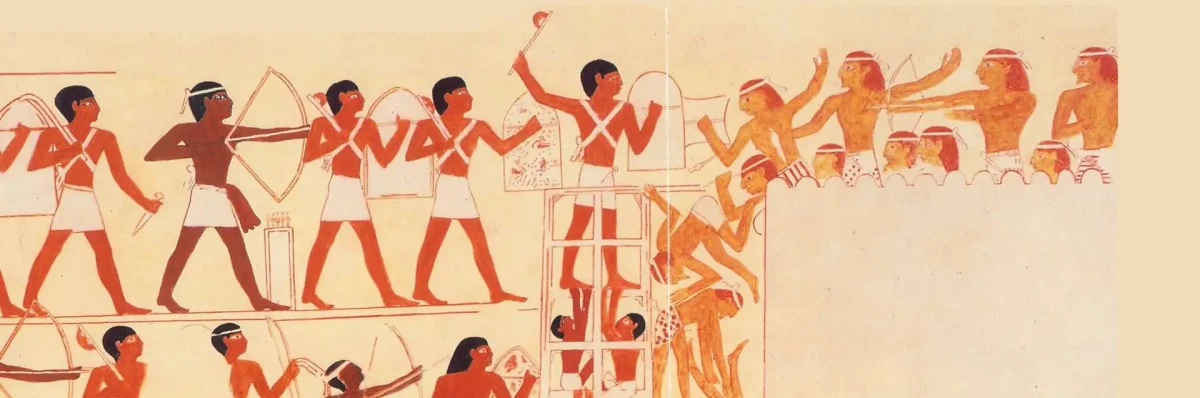
The Middle Kingdom of Ancient Egypt
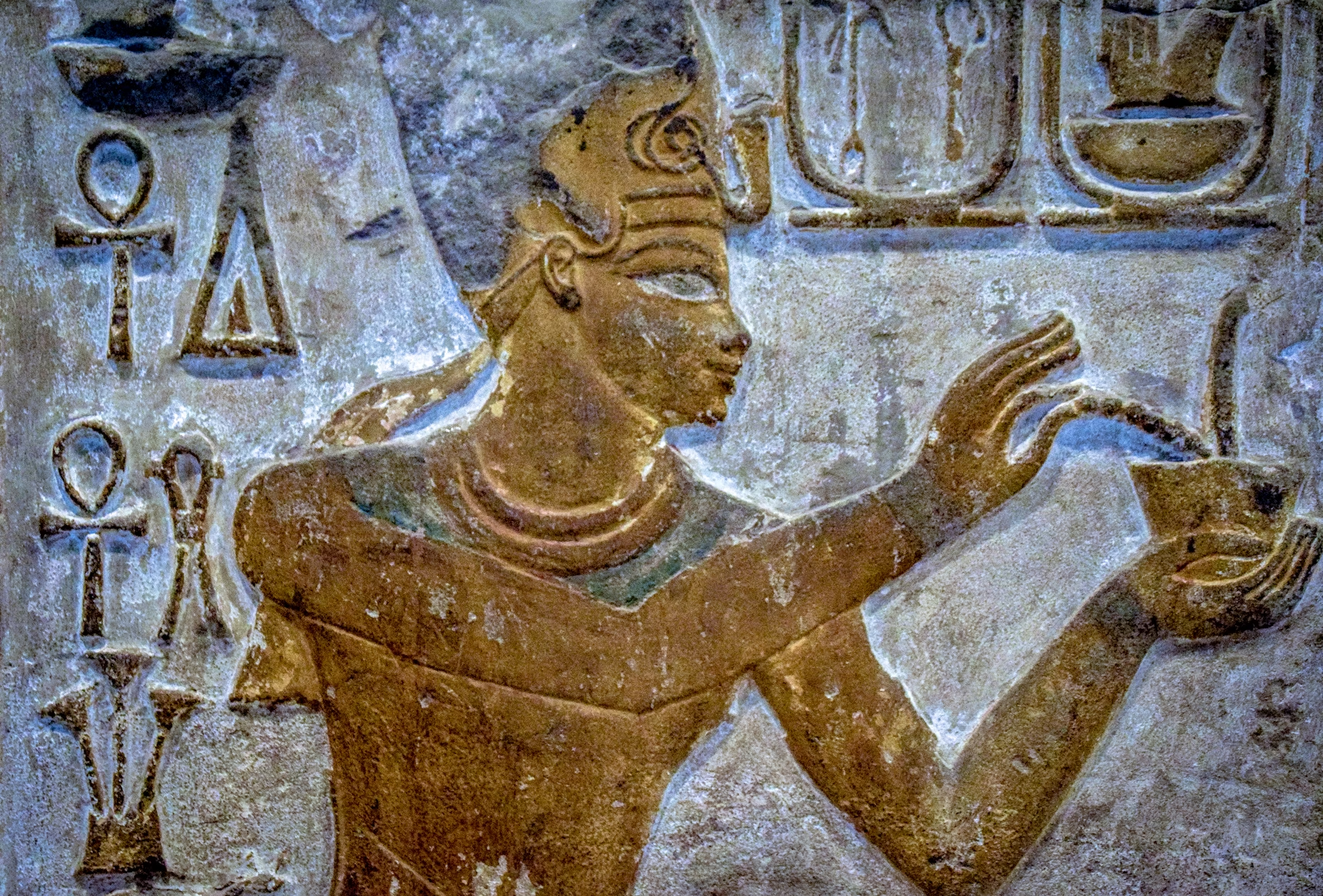
The Middle Kingdom of Egypt: Complete Historical and Travel Guide
The Middle Kingdom of Egypt (c. 2055–1650 BCE) stands as one of the most influential eras in ancient Egyptian history. The period that historians consider Egypt's Classical Age started with political reunification and economic stability and continued through artistic refinement and important cultural developments. The Middle Kingdom restored national unity after political fragmentation and laid the foundations for the imperial greatness that would later define the New Kingdom.
The comprehensive guide provides an in-depth examination of the Middle Kingdom of Egypt, which includes its main pharaohs, architectural works, religious changes, and daily activities, while establishing its crucial importance to Egyptologists, history lovers, and visitors who want to see ancient Egyptian sites today.
What Was the Middle Kingdom of Egypt?
The Middle Kingdom refers to the period between approximately 2055 and 1650 BCE, when Egypt was reunified after the turmoil of the First Intermediate Period. The reunification was led by King Mentuhotep II of Thebes, who restored centralized authority while he strengthened the pharaoh's power to rule as both political leader and divine ruler.
Egypt expanded its territory into Nubia during this period, while the country established better administrative systems, constructed irrigation facilities, and encouraged the growth of literary and artistic works. The Middle Kingdom developed its internal economy and social systems, while the New Kingdom established its distant imperial territories.
Key Pharaohs of the Middle Kingdom
Mentuhotep II unified both Upper Egypt and Lower Egypt in 2055 BCE after the country experienced multiple years of separation. The start of the Middle Kingdom happened during his reign, which brought back order to the political situation.
His mortuary complex at Deir el-Bahari introduced architectural innovations that later influenced New Kingdom temple design. The successful outcome established Thebes again as a major center for both religious and political power.
Amenemhat I established the strong 12th Dynasty, which he moved to Itjtawy, located near modern Faiyum. He improved administrative processes while he fortified national borders and created a co-regency system that would provide stable succession.
The policies he implemented brought Egypt permanent stability, together with economic growth.
Senusret I, Builder and Consolidator. The Egyptian ruler Senusret I expanded temple construction throughout Egypt while he built up Egypt's defenses at its southern border with Nubia. His rule brought about the establishment of efficient district management systems and the construction of remarkable religious structures.
The temple building projects that took place during his time as king led to increased Amun worship at Karnak.
Senusret III The Military Reformer, established his military reputation through his Nubian campaigns while he implemented comprehensive administrative changes. He constructed strong fortifications throughout the southern Nile territory to safeguard Egyptian trade routes and defend the nation's borders.
His leadership brought about a complete transformation of Egypt into a well-structured nation that operated with highly efficient administrative methods.
Amenemhat III. The Faiyum region underwent extensive agricultural and irrigation improvements through the leadership of Amenemhat III. The agricultural projects increased food output, which played a vital role in enhancing Egypt's economic growth.
He is also associated with the famous "Labyrinth" complex described by later Greek historians.
Monumental Architecture of the Middle Kingdom
Pyramids of the Middle Kingdom
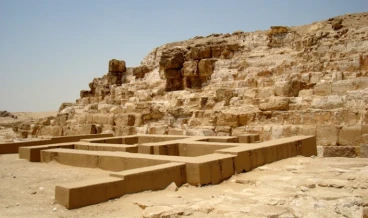
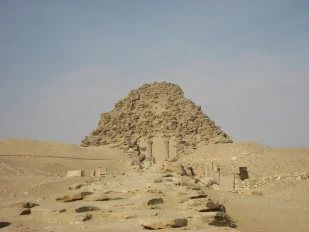
The Middle Kingdom pyramids used mudbrick cores, which they covered with limestone, while the Old Kingdom built its massive stone pyramids. The royal dedication to pyramid construction continued after many pyramids from the period had fallen into disrepair.
The important pyramid sites include the locations of Lisht, Dashur, and Hawara.
Temple Construction and Religious Centers
The Middle Kingdom developed temple institutions through its expansion of temple institutions in Thebes. The early expansions of the Karnak Temple Complex established the basic structure that would support all future major development work.
The period saw religious architecture reach its highest level of sophistication through architectural designs based on symbols and the use of organized temple designs.
Religious Innovations of Egypt’s Middle Kingdom
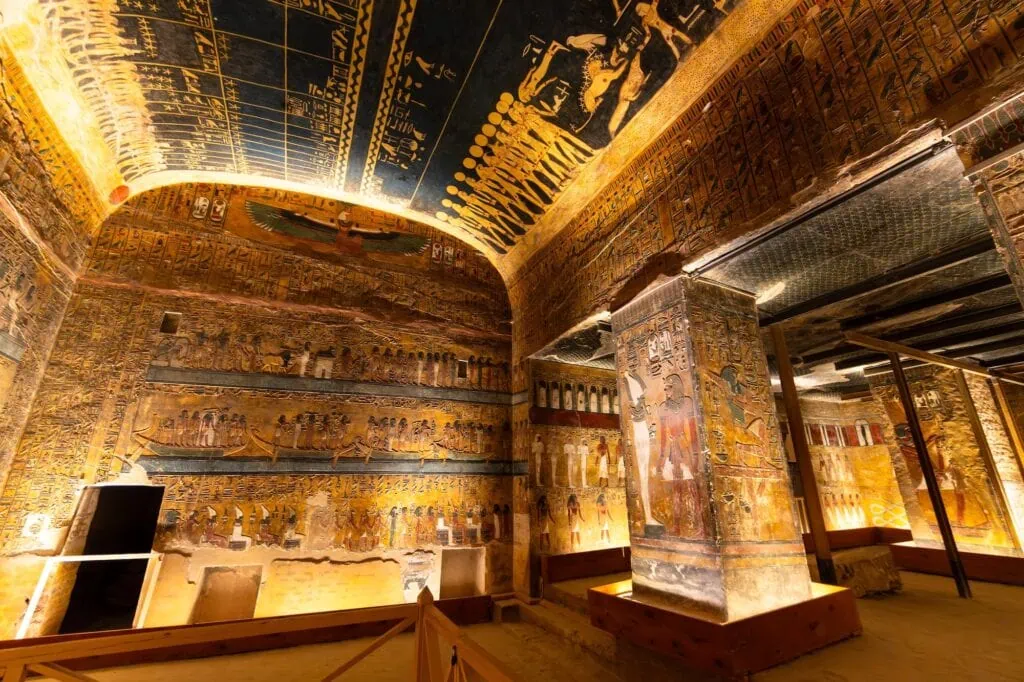
The Middle Kingdom period saw important changes to religious practices. The afterlife rights became accessible to all people during this time. Funerary texts and afterlife beliefs became available to common people during this period because they moved beyond their traditional use by pharaohs.
Non-royal people used the Coffin Texts as their means of obtaining spiritual protection and guidance throughout their afterlife journey.
The Osiris cult gained more followers during this time because it taught resurrection and moral judgment after death. This religious development influenced later Egyptian spiritual traditions.
Golden Age of Literature and Realistic Art
The Middle Kingdom period represents the peak of ancient Egyptian literature according to historical assessments because the well-known texts The Tale of Sinuhe, The Instructions of Amenemhat, and The Eloquent Peasant demonstrate how Egyptian people developed their national identity through their portrayal of moral principles and dedication to their rulers and their representation of justice and social obligations. The artistic styles of this time period progressed toward greater realistic representation because artists developed new techniques, which resulted in naturalistic depictions of their subjects in royal statues of Senusret III, who exhibited authentic human expressions together with his unique facial characteristics.
Explore Middle Kingdom Society and Culture
The Middle Kingdom brought forth a powerful middle class who became essential to governmental work as they served as officials, scribes, and artisans. The system of government administration expanded while the use of written documents increased.
The economy depended on agriculture as its main economic foundation because better irrigation systems had been developed. Trade networks extended into Nubia, the Levant, and Punt.
The production of fine jewelry, pottery, wooden models, and elaborately designed coffins reached its highest point during this period. Many of these artifacts are displayed today in the Grand Egyptian Museum and the Egyptian Museum.
Why the Middle Kingdom Matters Today
The Middle Kingdom served as an essential time frame that defined ancient Egyptian history because it established the basic elements of government, literature, religious systems, and artistic expression. The period established a path that began with Old Kingdom pyramid construction and ended with New Kingdom empire expansion through its development of central government systems, which permitted cultural progress and social stability. The administrative framework from this time period shows how structured governmental systems achieved social order and judicial fairness while enabling their communities to thrive, which became a foundation for future societies. The period produced literary works that displayed moral principles and loyalty to the king and social obligations, while artists created more lifelike works that conveyed stronger emotions. The Middle Kingdom's monuments, tombs, and artifacts provide visitors a chance to see the advanced society that existed during this time period, which shows them the social values and achievements, and everyday activities of ancient Egyptians who lived during their most prosperous time.
Travel Tips for Middle Kingdom Sites: Your Visit Planning Guide
The Middle Kingdom sites of Egypt offer visitors an exciting opportunity to discover ancient historical sites. You should begin your research on various sites, which include temples and tombs, by establishing your travel schedule according to their business hours and accessibility options.
Your experience will improve when you hire a local guide who possesses expert knowledge because they will provide historical information and assist you in navigating the sites. Visitors must wear comfortable clothing together with durable footwear and sun protection because they need to walk through areas that have uneven surfaces. Visitors must bring water and their cameras to take pictures of the beautiful buildings and historical objects.
The preservation of these historical sites depends on visitors who follow both local customs and site regulations. The cooler months provide a more comfortable experience, which allows you to explore the Middle Kingdom's rich heritage.




-webp.webp "Hilton")
-webp.webp "dusit")
-webp.webp "Marriott Hotels")
-webp.webp "Azimut Hotel")
-webp.webp "Golden Tulip")
-webp.webp "sheraton")
-webp.webp "westin hotel")
-webp.webp "Movenpick")
