
 English
 Italy
Italy
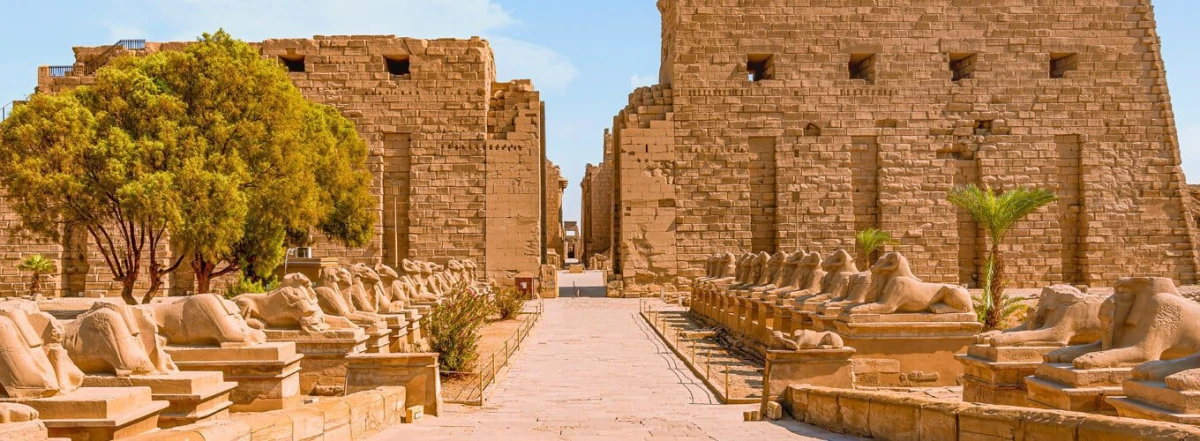
Step Into History at Karnak Temple in Luxor
The Karnak Temple stands as one of the most impressive archaeological sites worldwide, which was built by architects on the east bank of the Nile in Luxor. The temple complex of Karnak functions as a sacred city because it contains multiple temples that extend across its entire area over a span of 2000 years. The temple serves as a tribute to the Theban triad Amun, Mut, and Khonsu, which showcases the architectural achievements and religious dedication of ancient Egyptians.
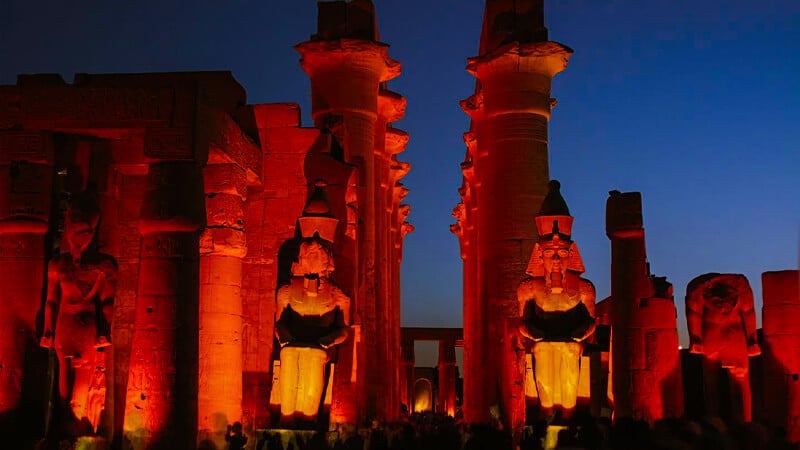
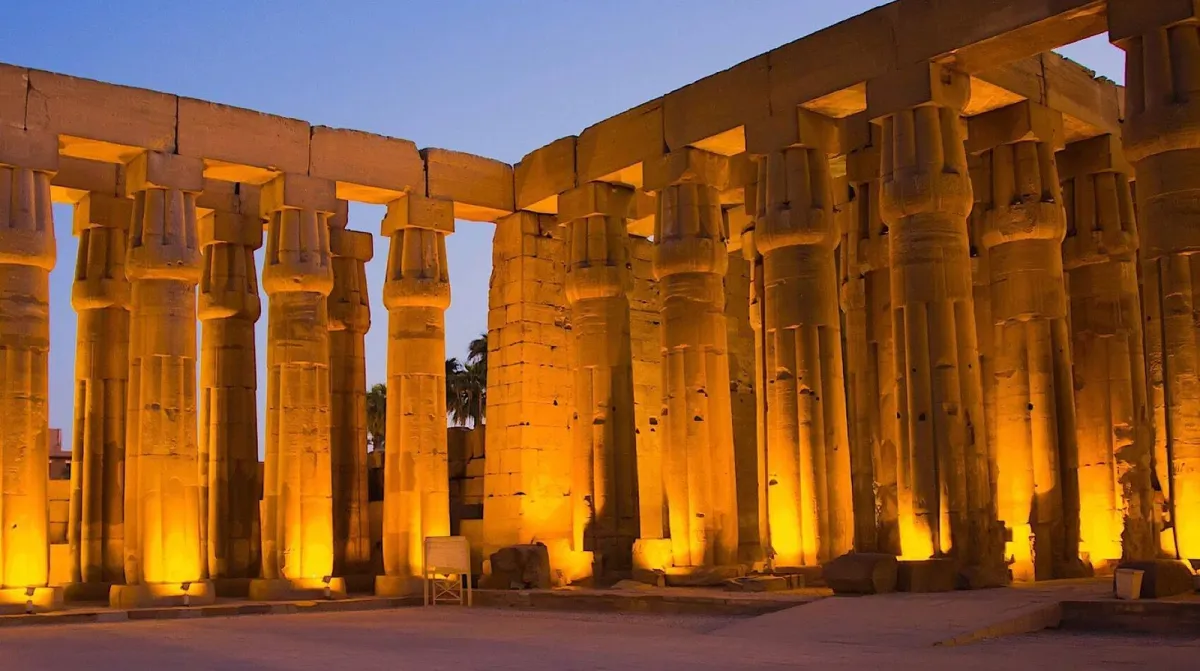
The experience of walking through Karnak provides a complete historical experience of ancient times. The site contains enormous stone columns which create an overwhelming effect because they reach high into the sky together with their detailed hieroglyphic carvings and their enormous statues, which fill the entire area. The Great Hypostyle Hall presents an impressive sight because its 134 high columns stand in 16 rows. The entire hall functions as proof of ancient Egyptian civilization's architectural expertise and artistic achievements.
Karnak served as both a religious site and a center for political and economic activities. The pharaohs of different dynasties expanded the site through their military victories, which they recorded in inscriptions and built monuments that showed Egypt's historical development. The temple functions as a historical record because every pylon, statue, and obelisk communicates events about military victories and religious rites.
Karnak visitors express their astonishment at the temple's ability to endure throughout history. The site maintains its excellent condition because it has survived multiple centuries of deterioration, natural erosion, and historical looting. The temple's design follows the Nile River and celestial events, which demonstrates the ancient Egyptians' advanced knowledge of astronomy and geographic science.
Visiting Karnak Temple: Everything You Need to Know Before You Go
Planning a visit to the Karnak Temple requires that you make some preparation so that you get the most out of your visit. The temple opens every day and is usually open from early in the morning until late afternoon, which means you get a fair few hours to examine the lot. Entrance fees are quite reasonable, and an organized tour is a good idea. Your guide will turn the hieroglyphs on the walls into something lively and, at the same time, show how it all fits in against the background of historical context as you take that stroll through the ancient civilization down to the halls reeking of the Pharaohs.
But when you go early in the morning, you might find it less crowded. So you can enjoy the place without being tagged a tourist. Comfortable walking shoes are a must as the complex is big, and one easily spends hours walking from one section to another. You can obtain canned water, sunscreen, and a hat.
Photography is allowed, and capturing the colossal statues, towering pylons, and detailed carvings is a must. However, be respectful of the site and its cultural significance. Certain areas may have restricted access to protect the ancient structures, so always follow the rules and guidelines provided by staff.
The Luxor Temple and Valley of the Kings sites provide complete Egyptian treasure sites for a day of exploration, which begins from your location south of the Luxor Temple and across the Nile to the Valley of the Kings.
Top Sights and Monuments Inside Karnak Temple
Karnak Temple includes many amazing attractions that visitors must investigate because each sight requires thorough examination. The main attractions of the place include:
1. The Great Hypostyle Hall: The hall functions as Karnak’s main location, which contains 134 gigantic columns that show hieroglyphic writing of religious ceremonies and royal achievements. The temple builders reached their highest architectural goals through this space, which demonstrates their building design.
2. Obelisks: As a symbol of royal power, towering obelisks were put up by many pharaohs, like Hatshepsut and Thutmose III. The obelisk erected by Hatshepsut stood over 30 meters high and bears inscriptions praising the pharaoh and the gods.
3. Sacred Lake: This body of tranquil water existed as the Sacred Lake within the complex. It served as a venue for sacred purification rituals by the priests of Karnak Temple. The peaceful, freshwater surface mirrors the buildings and adds a beautiful contrast to the solid stone constructions.
4. Sphinx Avenue: An arresting passageway between the Luxor and Karnak Temples, this avenue is flanked by impressive rows of sphinx statues. Originally, it was built to honor the gods so that pilgrims over the centuries would be invited to approach this temple complex in a special manner and feel the grandeur long before reaching the temple gates.
5. The Karnak Temple: The complex contains multiple chapels, which serve as worship sites for different deities and ancient Egyptian rulers. The sacred space offers visitors a closer look at traditional Egyptian religious practices through its distinct architectural features and its original religious artifacts.
Visitor Tips for an Unforgettable Experience in Luxor
The following practical tips will help you create a special experience at Karnak Temple.
1- Local guides offer more value than signs and maps because they inform and discuss the history of each monument, interpret the hieroglyphic symbols, and lead you around a wonderful archaeological complex.
2- Wear cool clothing: In the very hot months, a hot one; in the cooler months, a raincoat. Make sure to have good walking shoes with a proper protective sole, as the complex surface includes either uneven pathways or rocks.
3- Time Your Visit: Early mornings or late afternoons are the best times to avoid crowds and enjoy softer sunlight for photography. Evening sound and light shows at Karnak are also spectacular and offer a magical perspective on the temple.
4- Stay Hydrated: Luxor’s desert climate can be intense. Carry water with you and take breaks in shaded areas when needed.
5- The Karnak Temple stands as one of Luxor's main attractions, which visitors should experience by touring its main sites, including the Luxor Temple, Valley of the Kings, and Medinet Habu and nearby archaeological locations.
6- Visitors must not touch the carvings while they explore the site, and they need to follow all the rules that are shown through signs. The Karnak Temple functions as more than a tourist destination because it serves as a historic site that has existed for thousands of years.
The tips combined with your exploration of the main attractions will create an educational experience that will inspire you to discover Karnak Temple and its connection to one of the most important civilizations throughout history. The main exhibit of Luxor contains multiple monuments that showcase the ancient Egyptians' creative abilities, artistic skills, and religious practices.
Karnak Temple stands as the most extraordinary and significant site from ancient Egyptian times. The construction process demonstrates the monumental talent of ancient Egyptian builders who created massive temple structures. Their artistic ability and dedication to work emerge through their creation of massive columns, intricate carvings, and their vast open courtyard spaces. Different pharaohs constructed Karnak Temple over multiple decades to serve as a religious site where worshippers honored the god Amun and other deities. The temple displays its beliefs and cultural practices and their daily existence through its statues, pillars, and walls. The temple construction process required extensive planning, numerous workers, and substantial material resources to create such an enormous structure, which demonstrates the advanced organizational skills of ancient Egyptian society.
Still today, the Karnak Temple draws travelers, students, and experts from varied parts of the world. It serves the need to help us understand the ancient Egyptian civilization and culture, and also to appreciate our past. A medium to catalog creativity, devotion, and human spirit, as this monument is not just a structure-it is the very representation of their history and cultural identity. It makes quite an interesting pursuit too, reflecting upon what has been more than 2000 years since then. Coming here is an occasion of progress, in time and in awareness, to learn something new about the creativity exhibited by the Egyptians.










-webp.webp "Hilton")
-webp.webp "dusit")
-webp.webp "Marriott Hotels")
-webp.webp "Azimut Hotel")
-webp.webp "Golden Tulip")
-webp.webp "sheraton")
-webp.webp "westin hotel")
-webp.webp "Movenpick")