
 English
 Italy
Italy
King Seti I | The Powerful Pharaoh of Egypt's 19th Dynasty
King Seti I: The Powerful Pharaoh of Egypt’s 19th Dynasty
King Seti I was one of Ancient Egypt's most formidable and admired pharaohs. He ruled the country during the earliest period of the 19th Dynasty and played an important part in rehabilitating Egypt’s military prowess, spiritual practices and architectural grandeur. The time under his rule was one of peace and prosperity following a time of political disarray. He came to the throne around 1294BC having succeeded his father Ramses I and mother Sitre but as they say, everything happens for a reason, and with his older brother having tragically died, he became one of Egypt’s strongest leaders.
How Powerful Was King Seti I?
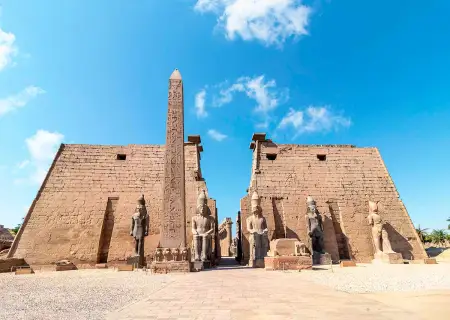
The success of King Seti I was based largely on his military strength and the successful extension of Egypt's influence into neighboring lands. He led armies against the Libyans, the Nubians, and the regions of the Levant, reclaiming territories that had once belonged to Egypt. These remarkable victories are vividly recorded on the walls of his temples, particularly those in Luxor, where they portray Seti I as a warrior pharaoh determined to protect Egypt's wealth and secure its trade routes. Today, these remarkable monuments remain among the highlights of Luxor day tours, attracting visitors who want to explore the legacy of one of Ancient Egypt's greatest rulers.
King Seti I and Ancient Egyptian Religion
One of the most significant deities in Ancient Egypt, Amun-Ra was also the patron god of the temples of Luxor, with their towering and grand proportions. Amun-Ra's fervent worshipper Seti I re-established age old religious rituals, which had been neglected, and strengthened the religious influence of important cultic centers, maintaining balance between the government and religious powers, thereby serving to reinstate religious concord throughout Egypt.
Temples Built by King Seti I
King Seti I left behind some of the most remarkable monuments in Ancient Egypt, many of which remain major highlights for travelers today.
His most famous projects include:
-
The Great Hypostyle Hall at Karnak Temple, one of the largest religious halls ever constructed
-
The Temple of Seti I at Abydos, dedicated to Osiris and known for its exceptional relief carvings
-
Major additions to the Temple of Amun at Thebes (Luxor)
These architectural masterpieces reflect the advanced engineering skills and artistic excellence of Ancient Egyptian civilization.
The Legacy of King Seti I
He also laid the foundation for the legendary reign of his son, Ramses II. His military victories, devotion to the gods, and monumental building projects established him as one of Ancient Egypt's greatest pharaohs. Today, his temples and inscriptions continue to attract historians, archaeologists, and travelers from around the world, making them an unforgettable highlight of any Egypt Travel Package.
Where Is King Seti I's Tomb?
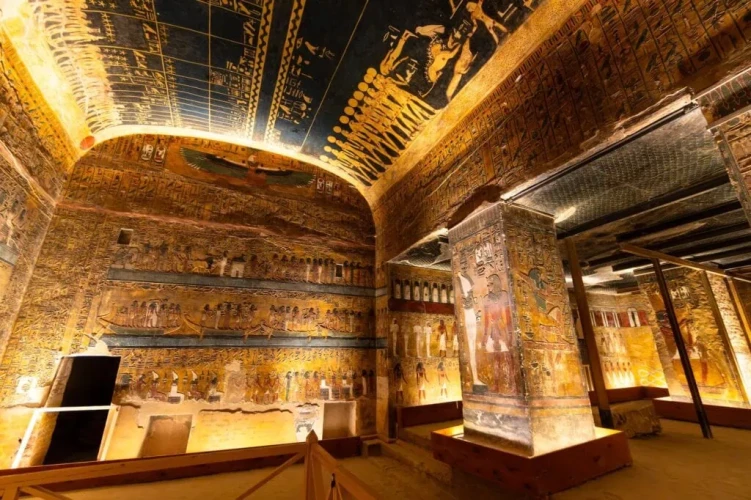
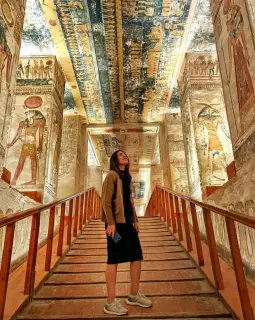
Valley of the Kings | The tomb of King Seti I is situated on the western bank of Luxor, known as KV17. The KV17 tomb is believed to be the finest and best-preserved tomb in ancient Egypt and was first unearthed in 1817 by Italian archaeologist Giovanni Belzoni. This is the longest tomb in the Valley of the Kings at 130 metres and contains the tomb of King Seti I. Although the king’s mummy was subsequently removed for its security.
Why Is King Seti I Famous?
During the early years of the 19th Dynasty, King Seti I strengthened Egypt’s power and protected its frontiers through his many military triumphs. He made numerous religious reformations and had numerous massive buildings erected during his reign, including the Temple of Seti I in Abydos and the Great Hypostyle Hall in Karnak, two of the most impressive landmarks featured in many Egypt Tours. King Seti I was a widely praised ruler, renowned as the father of one of the most popular pharaohs of all time, Ramses II. King Seti I, his remarkable reign, amazing construction, and surprisingly preserved burial tomb have made him a figure in Egyptian history, and in fact the world, that will remain with us forever.





-webp.webp "Hilton")
-webp.webp "dusit")
-webp.webp "Marriott Hotels")
-webp.webp "Azimut Hotel")
-webp.webp "Golden Tulip")
-webp.webp "sheraton")
-webp.webp "westin hotel")
-webp.webp "Movenpick")