



Explore Alexandria’s Library
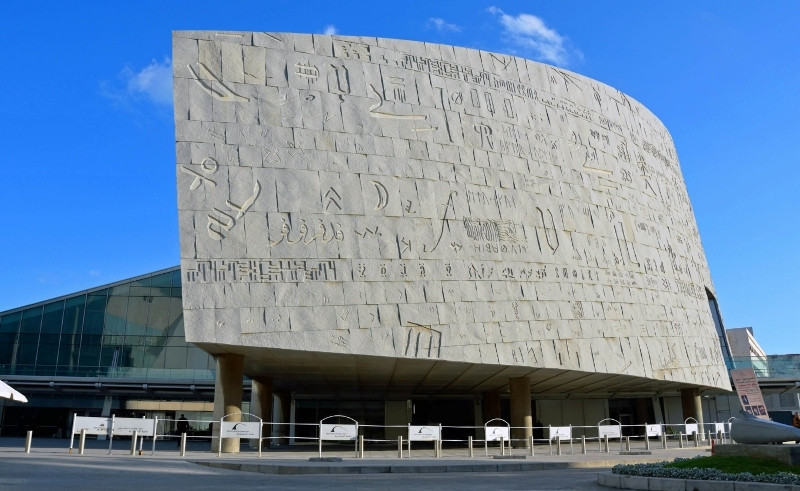
The Library of Alexandria, one of the most iconic libraries in history, stands as a symbol of the ancient world’s pursuit of knowledge. The library, which Ptolemy II Philadelphus established in the 3rd century BCE, functioned as the main center for intellectual activities throughout the entire ancient Mediterranean world. The library, situated in Alexandria, Egypt, served as a cultural and scientific center that scholars and scientists, philosophers, and writers from all parts of the ancient world visited. The library is thought to have contained more than 200000 scrolls and manuscripts, which included works on astronomy and philosophy, mathematics and medicine, and literature.
The library served as an academic center that developed human knowledge throughout its existence. The library experienced multiple disasters throughout its history because its precise cause continues to be disputed. The Library of Alexandria exists as a permanent legacy that represents human desire to learn and the never-ending search for knowledge.
The Library of Alexandria's Impact on Culture and Education
The Library of Alexandria played a fundamental role in developing the intellectual traditions that existed at that time. The establishment functioned as a research center that scientists, philosophers, and intellectuals from various ancient cultures could use to work together. Scholars who worked in the library contributed to fields such as geometry, astronomy, medicine, and history, laying the foundations for future scientific advancements.
The Library of Alexandria maintained its most important function through its dedication to preserving knowledge while making it accessible to the public. The library contained ancient texts from throughout the world, which later became inaccessible. Scholars had complete access to the library's extensive collection, which enabled them to share knowledge with people in other learning centers, including Rome and Athens. The library served as a research center for Euclid, Archimedes, and Eratosthenes, who developed foundational mathematical and geographical knowledge that people still use today.

In addition to its intellectual contributions, the library helped shape the idea of public access to knowledge. Its role in making scholarly resources available to all was groundbreaking and can be seen as a precursor to modern libraries and educational institutions.
Explore Alexandria Library: A Complete Visitor’s Guide
The Library of Alexandria is a cultural and educational center today, besides being a monument of history. Therefore, a tourist can visit the modern Library of Alexandria, which was inaugurated in 2002 in homage to the old library. This new library is an architectural wonder, which has been designed with a futuristic, slanted disk shape that symbolizes the sun and its eternal pursuit of knowledge.
The complex of the library houses many important sights and sections for its visitors:
The Main Reading Room: This vast open room serves as the heart of the library. Its design is unique, with large glass walls that offer a fantastic panoramic view of the Mediterranean. Visitors are invited to look through thousands of e-books and historical pieces that provide glimpses of the modern endeavor for knowledge made in the time of ancient cultures.
The Museum of the History of Science: This museum displays scientific artifacts that trace scientific development from ancient scholarly work to the present time.
The Planetarium: The library has a planetarium, which presents educational shows and astronomical displays to show viewers the beauty of the universe.
The Section of Alexandria Manuscripts: This section hosts ancient manuscripts as well as a digital archive to preserve the knowledge that existed in the original library.
The Library Gardens: The garden area outside the library presents visitors with two features that combine to create a tranquil space for viewing the sea and appreciating the historical significance of the library.

The historic sites function as a connection point that allows people to traverse between ancient times and modern knowledge-sharing methods that emphasize active participation.
Innovation and Technology at the Library of Alexandria
The new Library of Alexandria features digital archives and new technology and raises the great tradition of the erstwhile library of being a global customer in knowledge and learning. Amongst other features of this new Library of Alexandria is a digital infrastructure that enables access to the virtual world by zillions of digitized books, manuscripts, and journal articles.
In addition to the many physical collections owned by the library, the library has a digital domain for wider exploitation of resources online by scholars and researchers from all corners of the globe. The application of technology again raises the issue of efforts towards developing preservation tools for rigidity in keeping together a library document, lest manuscripts and ancients remain for long.
Furthermore, the library hosts a range of programs and initiatives that integrate technology into education, such as online courses, virtual workshops, and digital archives of ancient texts. The library’s use of modern technology continues the legacy of the original Library of Alexandria as a center for the preservation and sharing of knowledge.
The Library of Alexandria: A Creative and Cultural Epicenter
Today, the Library of Alexandria is no longer just an educational and research institution but also a vibrant cultural hub. It is the venue for several events, drawing intellectuals, artists, and thinkers from all around the world to give lectures, debates, exhibitions, art shows, and performances.
The rich cultural programming of the library is a testimony to its firm commitment to creativity and intellectual exchange. It acts as a platform for contemporary artists to show their own works, while also promoting the presentation of the artistic heritage and literary culture of Alexandria and Egypt.
The library becomes an oasis of gathering place for thinkers and academics, carrying on the tradition of coexistence initiated by the original Library. Regular symposia and language conferences bring different scholars in literature, philosophy, environmental science, technology, etc.
As a major cultural landmark, the Library of Alexandria occupies a pivotal position in the composite life that Alexandria has always embedded in itself. The library and its environment serve as a landmark to creativity and the growth of the intellects, the spirit of the old Library that welcomed scholars from every corner of the ancient world.
The Library Gardens at the modern Library of Alexandria provide a tranquil escape with stunning views of the Mediterranean Sea. Located outside the main library building, these beautifully landscaped gardens are designed to reflect the spirit of knowledge and contemplation. Visitors can stroll through lush greenery, relax by serene water features, and enjoy the peaceful atmosphere. The gardens also serve as a perfect backdrop for cultural events and gatherings. Offering a blend of nature and culture, the Library Gardens are a quiet retreat, inviting visitors to reflect on the rich intellectual legacy of Alexandria.








-webp.webp "Hilton")
-webp.webp "dusit")
-webp.webp "Marriott Hotels")
-webp.webp "Azimut Hotel")
-webp.webp "Golden Tulip")
-webp.webp "sheraton")
-webp.webp "westin hotel")
-webp.webp "Movenpick")
