
 English
 Italy
Italy
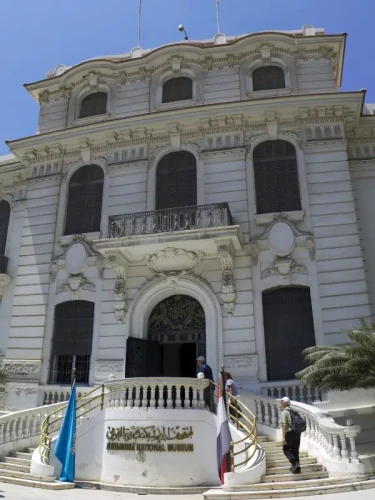
Alexandria National Museum, Egypt
The Alexandria National Museum in Egypt presents a historical overview of 4000 years through its exhibition spaces. The Alexandria National Museum serves as a major cultural site for Alexandria because it operates from its central location in the city. The museum provides visitors with an extensive exploration of Egyptian history which encompasses all historical periods from Pharaonic times to the Greco-Roman era and the Coptic period and Islamic civilization and contemporary historical events.
The museum occupies a beautifully restored Italian-style palace which dates back to the early 20th century. The museum presents architectural beauty and historical significance which makes it a necessary destination for visitors who want to experience Alexandria.
Historical Background
The museum building was constructed in 1926 as a private residence for a wealthy timber merchant who used it as his personal palace. The building underwent various transformations until it became the Alexandria National Museum in 2003 to display archaeological artifacts from Alexandria and its nearby areas. The palace architectural design shows European influences through its spacious halls and marble staircases and its decorative ceilings which improve visitor experiences.
What You will see inside Museum?
The museum displays more than 1,800 artifacts distributed throughout three main levels, within each representing a different historical epoch.
1. The Pharaonic periods
The first level displays ancient Egyptian artifacts which demonstrate the exceptional achievements of Pharaonic civilization through their display of:
Statues of kings and deities
Sarcophagi and funerary objects
Jewelry and daily life tools
Artifacts recovered from underwater excavations near Alexandria’s coast
The collections demonstrate Egypt's religious practices and burial customs and artistic mastery.
2. The Greco-Roman Period represents the second historical era of research.
The section holds particular importance because Alexander the Great founded Alexandria. Visitors can explore:
Marble statues which demonstrate Greek artistic influence.
Roman-era coins
Mosaics and sculptures
Artifacts which archaeologists found in ancient Alexandria
The floor represents how the city developed into a vital cultural and intellectual center for the Mediterranean region.
3. The Coptic and Islamic periods
The upper floor showcases:
Coptic icons and manuscripts
Islamic ceramics and glassware
Wooden panels and architectural elements
Weapons and artifacts from different Islamic dynasties







-webp.webp "Hilton")
-webp.webp "dusit")
-webp.webp "Marriott Hotels")
-webp.webp "Azimut Hotel")
-webp.webp "Golden Tulip")
-webp.webp "sheraton")
-webp.webp "westin hotel")
-webp.webp "Movenpick")
