
 English
 Italy
Italy
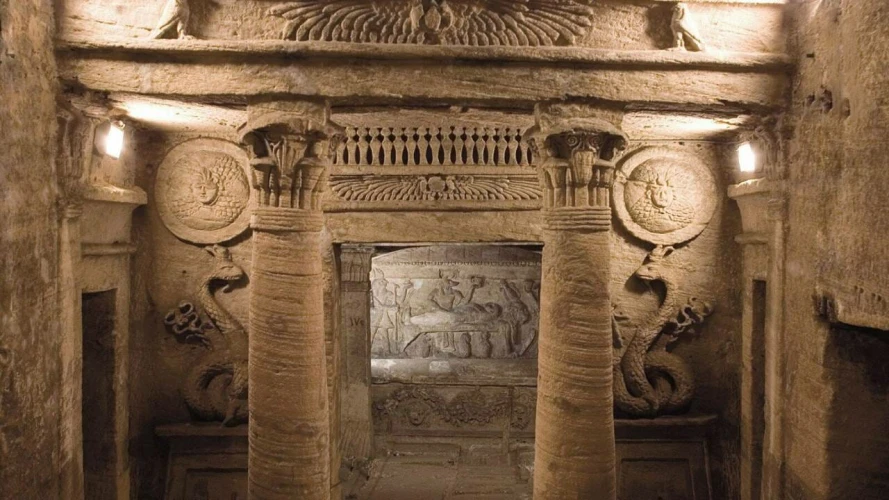
Kom El Shoqafa Catacombs in Alexandria
History and Civilizations that Passed Through Kom El Shoqafa
The Roman period in Egypt begins with Kom El Shoqafa, which was built in the 2nd century CE. The site demonstrates its timelessness through its design elements, which showcase both ancient Egyptian rock-cut tomb traditions and their Greek and Roman architectural styles. The multicultural makeup of Alexandria emerges through this artistic combination, which developed after Alexander the Great established the city in 331 BCE as a Mediterranean trading and cultural center.
A wealthy Egyptian family commissioned the necropolis to create a burial ground that would combine essential elements of traditional Egyptian burial practices with Roman funeral customs. The artistic styles present at Kom El Shoqafa reflect the diverse population of Alexandria, which included Egyptians and Greeks, Romans and Jews, and other communities during this historical period.
Over the centuries, various disasters and deliberate neglect led to the eventual disappearance of the tomb complex, which had previously faced abandonment. The early 20th-century excavations at the site led to the discovery of its extraordinary architectural design and its vast system of underground tunnels. The findings at Kom El Shoqafa reveal essential details about social life, religious practices, and artistic activities in Roman-era Alexandria, while connecting two distinct historical periods of Egyptian and classical traditions.
What is Kom El Shoqafa, and where is it located?
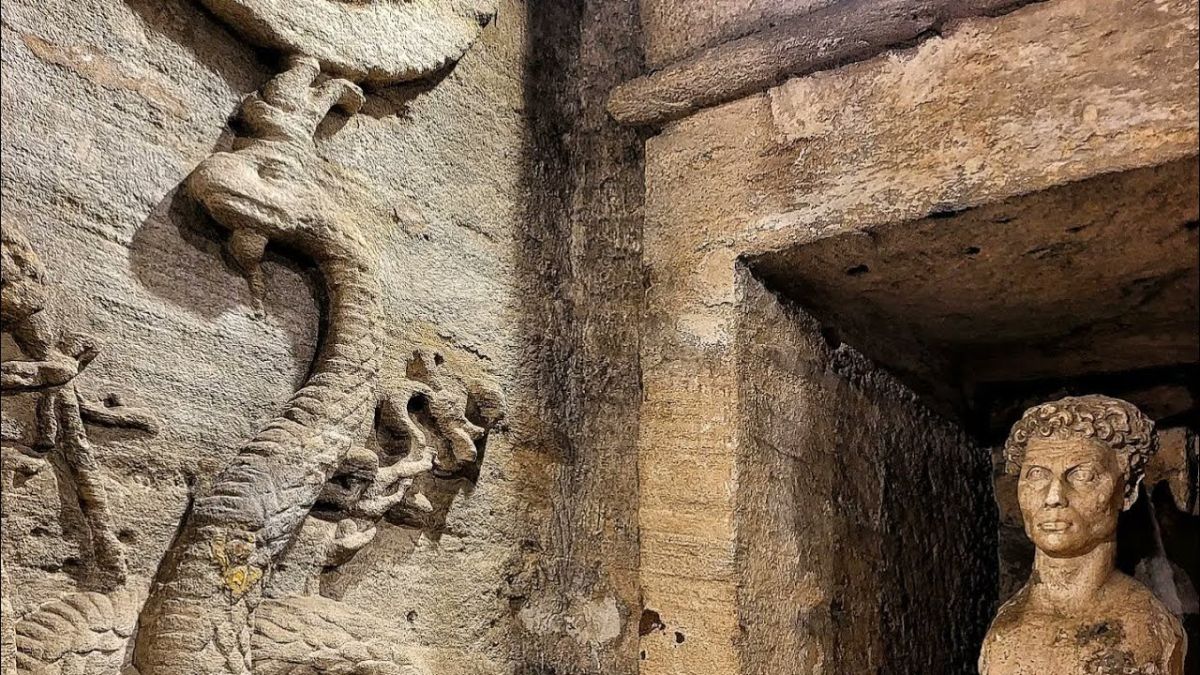
The ancient archaeological site of Kom El Shoqafa exists in Alexandria, Egypt, and features exceptional Roman-era burial sites together with its underground tomb complex. The site received its name because the local area contained numerous pottery shards and other artifacts, which were recovered during archaeological digs. The site stands as one of Egypt's major cultural and historical assets because it displays a special combination of Egyptian, Greek, and Roman architectural and artistic design elements
The Kom El Shoqafa site exists in central Alexandria, which extends southwest from the city center to the Alexandria Citadel of Qaitbay and the Mediterranean Sea. The central location of the site enables both local residents and foreign tourists to explore the historical sites of Alexandria. The site contains its main underground burial area, which includes multiple tombs, chambers, and passageways that researchers carved from solid rock.
Kom El Shoqafa is an important part of its remarkable protection, but it is part of a syncretism of art and religion across many cultures. Here, there were witnesses of Egyptian funerary traditions rawing in the Greek or Roman mixture of cultures. The sea trade made Alexandria cosmopolitan in the early Roman centuries.
Exploring the Art and Architecture of Kom El Shoqafa
Kom El Shoqafa is famous for its underground tombs that are underground and constructed on multiple levels, with every level disclosing wonderful revelations about ancient burial practices. Some main works of interest in the complex include:
1- The Helical Staircase:
The visitors first approach the large circular staircase carved in the rock that descends into the lower chambers of the tomb. The design of this staircase is an epitome of Roman architectural art, as it is meant not only for easy access but also to convey respect and veneration for the dead.
2- The Central Hall (Hall of Caracalla)
The necropolis core displays a round central hall which contains a remarkable rotunda supported by columns. The hall contains multiple sarcophagi, which display a combination of Roman, Hellenistic, and Egyptian architectural elements. The ceiling and walls display detailed carvings which show burial practices together with godly figures and scenes that symbolize life after death.
3- Funerary Statues and Sculptures
The site features an extensive collection of sculptural art, which includes statues that depict pharaohs and Roman officials together with various symbolic characters. The artists carved many statues from natural rock material, which displays the traditional Egyptian arts and the Hellenistic artistic style. The artworks show how Egyptian and Greco-Roman artistic traditions combine in their artistic expression.
4- Sarcophagi and Burial Chambers
The tombs at Kom El Shoqafa contain elaborately decorated sarcophagi that include stone-carved sarcophagi that display hieroglyphs and classical motifs. The burial chambers used multiple niches to store family remains because they wanted to combine both communal and hierarchical burial customs.
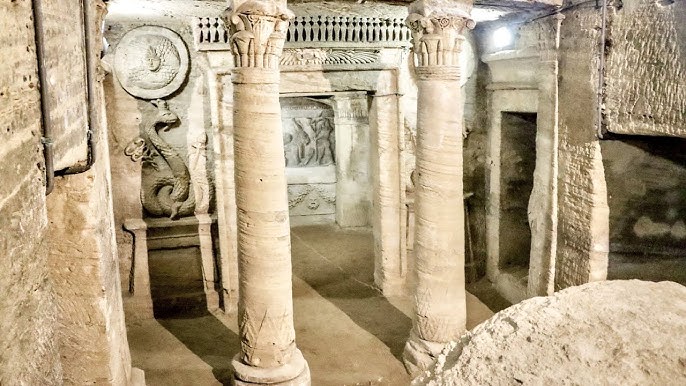
5- Mosaics and Reliefs
The site provides visitors with the opportunity to see intricate reliefs and mosaics that show mythological stories and burial practices, and the everyday activities of people. The artworks show how different cultures influenced Alexandria through their Egyptian deities and Anubis, and their Roman and Greek design elements.
Archaeologists at Kom El Shoqafa have uncovered pottery, jewelry, and inscriptions that reveal the religious customs, social status, and artistic accomplishments of the time. The location ranks as one of the Seven Wonders of the Middle Ages because of its architectural complexity and historical value.
Visiting Kom El Shoqafa: Tips and Recommendations
Kom El Shoqafa is open to the public, and visiting it offers a rare opportunity to explore an ancient underground city. Here are some key tips for visitors:
Opening Hours and Admission: The site is generally open every day, though hours may vary depending on the season. It’s recommended to check current schedules and ticket prices ahead of time, as entry fees are modest but can differ for locals and tourists.
Guided Tours: Hiring a knowledgeable guide can greatly enhance the experience. Guides provide historical context, explain the symbolism in the carvings and reliefs, and point out details that might otherwise be overlooked.
Physical Preparation: Visitors should wear comfortable shoes suitable for walking on uneven stone surfaces and descending stairs. The underground chambers can be humid and slightly cool, so light layers are advisable.
Photography: Photography is typically allowed but may be restricted in certain areas. Flash photography can sometimes be discouraged to protect the delicate carvings and paintings.
The Site: All archaeological sites require people to stay away from all carved surfaces and to leave all historical items untouched. The exceptional heritage site needs people to stay away from it because they need to protect its value for future generations.
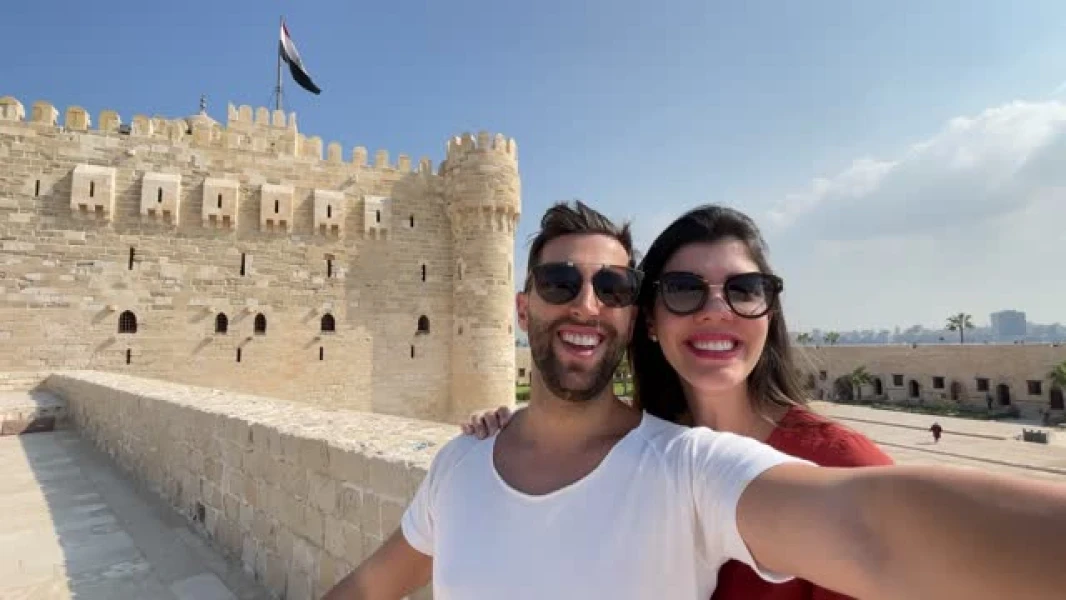
Nearby Attractions: Visitors to Kom El Shoqafa can visit multiple Alexandria attractions, which include the Catacombs of Alexandria, the Bibliotheca Alexandrina, and the Citadel of Qaitbay, to spend an entire day exploring the city's historical sites.
The experience of visiting Kom El Shoqafa shows visitors actual ancient burial traditions together with all the cultural influences that existed in Roman-era Alexandria. The site attracts archaeologists, historians, and tourists because it displays Egyptian, Greek, and Roman cultural elements, which create a distinct historical site.







-webp.webp "Hilton")
-webp.webp "dusit")
-webp.webp "Marriott Hotels")
-webp.webp "Azimut Hotel")
-webp.webp "Golden Tulip")
-webp.webp "sheraton")
-webp.webp "westin hotel")
-webp.webp "Movenpick")