
 English
 Italy
Italy
Egypt Customs Regulations: Duty-Free Limits, Currency Rules, and Banned Items Guide
Navigating the Airport Gates: The Ultimate Guide to Egypt Customs Rules
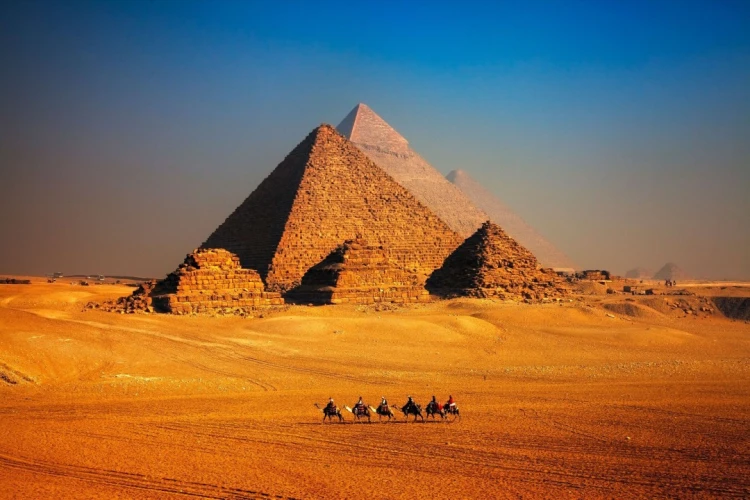
Stepping off an international flight into the vibrant energy of Egypt is one of those unforgettable feelings. You land in Cairo to see the ancient Pyramids, then you touch down in Hurghada for a Red Sea diving trip, or you arrive in Luxor to wander through pharaonic tombs… and pretty quickly your brain is already on the next adventure. Still, before you can actually step out into that bright North African sunshine, there is one very important practical checkpoint you cant ignore: Egyptian Customs.
If you are arriving at Cairo International Airport and want to start exploring the city, a Cairo tour from Cairo Airport can be a convenient option.
Every sovereign country has strict border rules, to safeguard its economy, national security, and public health. Egypt is definitely no exception, and the airport customs officers are known as thorough, and sometimes more vigilant than you’d expect. If you show up without a clear idea of what you can legally bring in, and what is strictly prohibited, you could end up with stressful delays, hefty monetary fines, or even an immediate confiscation of certain items.
The good news is that the customs process is pretty structured, and if you follow the rules of the way, you should move through the terminal smoothly, with basically no drama. So, lets take a full, deeply human, and comprehensive look at Egypt’s airport customs rules, financial declarations, and the critical restrictions you really need to know.
The Green vs. Red Channel: Making the Right Choice
When you grab your luggage from the carousel and start walking toward the very last airport exit, you’ll be met with two separate routes, a system that is used worldwide, but in Egypt it’s also done with these random X ray checks, so it can feel a bit unpredictable:
The Green Channel ( "Nothing to Declare" ): you should take this if what’s inside your bag lands squarely within the usual duty free allowances for regular tourists and you’re not bringing any restricted items, nor any commercial goods.
The Red Channel ( "Goods to Declare" ): you must pick this one if you have items beyond your personal limits , commercial merchandise meant for resale, professional grade filming equipment, or amounts of cash that go past the declaration threshold, basically anything that needs paperwork.
Duty-Free Allowances: What Can You Bring?
For regular international visitors, 18 years old or more, Egypt allows a pretty clear set of exemptions for personal luxury goods. Basically you can carry these items into the country with no customs duty at all:
Tobacco: as much as 200 single cigarettes, 25 cigars, or 200 grams of loose smoking tobacco.
Alcohol: up to 1 liter of alcoholic drinks (spirits, wine, or beer) kept inside your checked luggage.
Personal electronics: regular electronics that you are actively using right now—think smartphone, personal laptop, tablet, or your own vacation camera. those are fine. But if you bring several brand-new, boxed electronics, it can look like commercial importing and then heavy duties may apply.
Gifts and fresh items: brand new stuff, or gifts for friends and family, can be exempt up to a reasonable personal value ceiling, as long as it’s obvious they are not intended for resale or business trade.
The post-arrival duty-free “window”
Egypt also has this unusual rule for alcohol and luxury shopping. If you’d rather not pack big, fragile glass bottles in your checked bags on the plane, you have 48 hours from your arrival time to go to an approved duty-free shop at the airport, or sometimes a city-center one. Under the current rules, you may buy up to an extra 2 liters of alcohol and a smaller allowance of cigarettes locally, typically after paying a minor processing fee, and using your stamped passport as confirmation.
The Financial Rules: Cash and Currency Limits
When it comes to carrying money across the Egyptian border , the Central Bank pushes very specific regulations to keep track of where cash is heading in and out of the country ‘s economy.
Foreign Currency (USD , Euros, Pounds , etc.)
For foreign currency , there is basically no stated legal ceiling on how much you may enter Egypt with. You can just bring whatever amount you personally feel comfortable transporting . But, there is a mandatory declaration line. If you are arriving or departing Egypt while carrying foreign cash, money instruments, or travelers checks that add up to more than 10,000 US dollars (or the same value in other currencies), then you have to declare it to a customs officer in the Red Channel. They will provide an official declaration sheet for the currency. This matters a lot, because if later you want to exit the country with a big sum of cash, you will need to show proof that it was brought in correctly. The stamped arrival form is what you use for that.
Local Currency (Egyptian Pounds - EGP)
With local currency, the rules are tighter, and also not something you can negotiate around. You are allowed to bring into , or take out of Egypt, a maximum of 5,000 Egyptian Pounds. This is meant to stop unauthorized “national currency” smuggling. So don’t try to swap huge amounts of money into EGP back home just so you can carry it in your pockets. It’s better to wait, then use airport ATMs , or go through official bank currency exchanges once you land . Those options usually give dependable and lawful rates, without the headache of customs problems.
The Serious Restrictions: Drones, Meds, and Gear
This is the part where well meaning Western travelers most often end up in really serious legal trouble, Egypt has this zero tolerance posture about certain things that feel completely everyday and fine in other places around the world.
1. The absolute Drone ban
Don’t bring a drone into Egypt. It honestly doesn’t matter if it’s a small, 249 gram “toy” drone for family vlogs , or a real professional DJI cinema quadcopter. Under Egyptian national security law, importing or using remote controlled aerial vehicles without very specialized, earlier clearance from the Ministry of Defense is strictly illegal.
If a drone gets spotted in your bag by the airport x-ray machines it will be seized right away at the border. In heavier scenarios, having an unauthorized drone can trigger intense questioning , extended detention, or allegations that feel kinda like espionage. Just keep your drones at home.
2. Prescription Medications (the narcotic trap)
Egypt has unusually rigid rules for medicines that contain ingredients it labels as narcotics or psychotropic substances. A lot of meds that are commonly prescribed by doctors in the US or Europe for anxiety, ADHD, or strong pain control—like Tramadol , Xanax , or Adderall—are tightly regulated here, or sometimes simply not allowed.
If you need to go along with vital prescription medication, do it by these rules exactly:
Keep all pills in their original, properly labeled pharmacy packaging, dont mix things up or transfer them.
You must also take an official, signed note from your medical doctor. It should show your medical condition, the exact generic name of the drug, and the required dosage, no ambiguity.
Only bring a sensible amount for your own stay, and a max of a 3-month supply is the limit.
For highly restricted substances, make sure the doctors note is officially translated into English or Arabic.
3. Specialized Filming and Communication Gear
While normal personal vlogging gear, plus a smartphone is totally fine, customs people may still flag advanced professional media equipment. If you are carrying heavy cinematic video rigs, big satellite communication phones, high-powered walkie-talkies, or specialized long-range binoculars, you’ll be asked to explain what they’re for. Often, these items need pre-approved permits from media or telecommunications authorities, so you don’t get treated like you’re doing unauthorized commercial filming or surveillance.
If you have some extra time after completing the customs process, you can make the most of your arrival by joining a Cairo day tour and exploring the city’s famous historical attractions.
-card_webp.webp "Cairo Museums, Citadel & Khan El Khalili Tour from Cairo Airport")









-webp.webp "Hilton")
-webp.webp "dusit")
-webp.webp "Marriott Hotels")
-webp.webp "Azimut Hotel")
-webp.webp "Golden Tulip")
-webp.webp "sheraton")
-webp.webp "westin hotel")
-webp.webp "Movenpick")
