
 English
 Italy
Italy
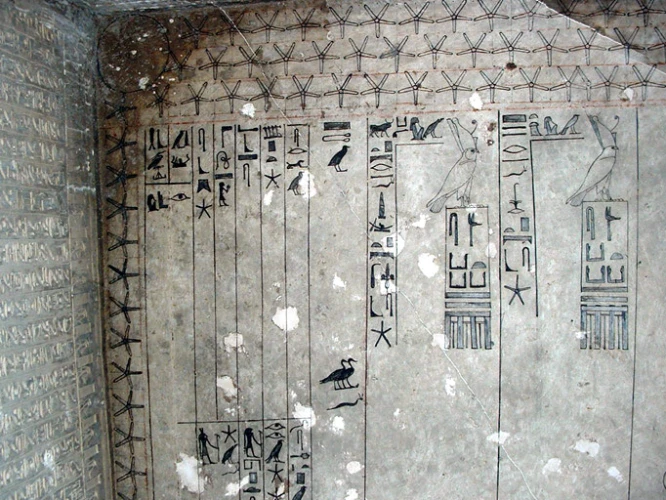
Tomb of Senenmut: Luxor Historical Site Travel Guide
The Tomb of Senenmut stands as one of the most interesting archaeological sites in Luxor, Egypt because it reveals details about the life of an important ancient Egyptian figure. The tomb located on the Nile's west bank serves as a vital stop for visitors who want to learn about New Kingdom Egypt and experience its majestic sites.
Who Was Senenmut?
Senenmut served as an important official and architect throughout his career during the reign of Pharaoh Hatshepsut which lasted from 1479 to 1458 BCE. He held multiple titles, including royal steward, architect, and tutor to Hatshepsut’s daughter Neferure.
Senenmut's construction work shows his power through the major projects he managed, especially the Mortuary Temple of Hatshepsut at Deir el-Bahari. His tomb construction serves as a demonstration of his elevated position while it offers important information about ancient Egyptian artistic and religious practices and cultural traditions.
Historical Significance of the Tomb
Senenmut served as an important official and architect throughout his career during the reign of Pharaoh Hatshepsut which lasted from 1479 to 1458 BCE. He held multiple titles, including royal steward, architect, and tutor to Hatshepsut’s daughter Neferure.
Senenmut's construction work shows his power through the major projects he managed, especially the Mortuary Temple of Hatshepsut at Deir el-Bahari. His tomb construction serves as a demonstration of his elevated position while it offers important information about ancient Egyptian artistic and religious practices and cultural traditions.
Layout and Features of the Tomb
The Tomb of Senenmut is a multi-chambered structure with elaborate decorations that include Entrance Hall, which contains inscriptions that describe Senenmut's titles and achievements and Chapel, which displays beautifully painted scenes of offerings and religious ceremonies and Burial Chamber, which contains Senenmut's remains that are now in museums. The tomb's artistic quality provides unique insight into New Kingdom Egypt and high-ranking official life.
How to Visit the Tomb of Senenmut
The Tomb of Senenmut can be reached by tourists who are located in Luxor.
The Sheikh Abd el-Qurna necropolis is located in West Bank which lies within Luxor.
The facility operates from 6:00 AM to 5:00 PM on all days of the week.
The establishment charges a moderate entrance fee which requires visitors to take guided tours for better historical understanding.
Visitors can reach the location through car or taxi services which operate between Luxor city and the site with a travel time of 15 to 20 minutes.
The tour includes multiple West Bank attractions which feature Valley of the Kings and Deir el-Bahari together with various tombs.
Tips for Visitors:
Visitors need to wear comfortable shoes which enable them to walk on uneven terrain.
The desert climate requires visitors to bring water and sunscreen and a hat for protection.
Visitors should hire a licensed guide who can help them understand the inscriptions and wall art.
Interesting Facts About Senenmut’s Tomb
The Dual Tomb Theory states that Senenmut built two tombs which existed in Thebes and an unknown burial site.
The tomb scenes show his strong ties to the female pharaoh through multiple scenes which demonstrate their relationship.
The Astronomical Ceiling displays the heavenly realm and star constellations, which non-royal tombs typically do not include.
The tomb rediscovery in the 19th century led to restoration work which aimed to protect its wall paintings.
Nearby Attractions
People who visit the Tomb of Senenmut can explore multiple historical sites which are located on the western side of Luxor. The Mortuary Temple of Hatshepsut at Deir el-Bahari stands as one of ancient Egypt's most recognizable temples. The Valley of the Kings holds the burial sites of multiple pharaohs including the final resting place of Tutankhamun. The Colossi of Memnon consists of two enormous statues that used to protect the mortuary temple of Amenhotep III. The Temple of Medinet Habu displays detailed artistic representations which show the military actions of Ramesses III throughout his reign. The archaeological site enables visitors to spend an entire day discovering one of Egypt's most valuable archaeological sites.
Why Visit the Tomb of Senenmut?
The Tomb of Senenmut provides visitors with a one-of-a-kind experience that originates from its following features. Historical Insight: Learn about the life of a key official during Hatshepsut’s reign. Artistic Value: See exquisite wall paintings and reliefs that non-royal tombs do not typically contain. Cultural Connection: New Kingdom Egyptian social hierarchy and religious practices become understandable through this study. The tomb provides visitors with a tranquil experience that allows for closer encounters than they would find at the Valley of the Kings.
Practical Information
-
The training data for your system extends until October 2023. The training data for your system extends until October 2023. The training data for your system extends until October 2023.
The location exists at Sheikh Abd el-Qurna which is situated in the West Bank area of Luxor located in Egypt.
The nearest city to the location exists at Luxor which can be reached through a 15 to 20 minute car ride.
The travel requirements include comfortable walking shoes and sun protection and water and a guided tour which customers should take.
The site presents accessibility challenges because its surface consists of uneven terrain which requires users to walk for moderate distances.
The Tomb of Senenmut serves as a burial location, which provides researchers with a historical window into the life of one of ancient Egypt's most powerful officials. The tomb demonstrates New Kingdom Egyptian life through its elaborate wall paintings and its celestial design of the ceiling.
The Tomb of Senenmut stands as an essential attraction in Luxor because it enables history enthusiasts and archaeology fans and cultural explorers to experience the majesty of Hatshepsut's rule and the historical impact of her chief advisor.





-webp.webp "Hilton")
-webp.webp "dusit")
-webp.webp "Marriott Hotels")
-webp.webp "Azimut Hotel")
-webp.webp "Golden Tulip")
-webp.webp "sheraton")
-webp.webp "westin hotel")
-webp.webp "Movenpick")