
 English
 Italy
Italy
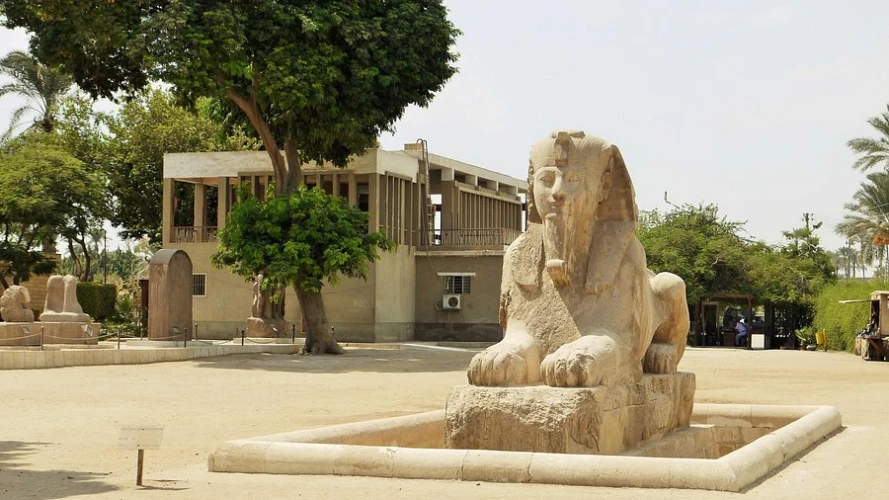
Statue of Ramses II: Memphis Egypt Historical Guide
Introduction to the Statue of Ramses II
The Statue of Ramses II stands as one of the most extraordinary monuments of ancient Egypt, located at the archaeological site of Memphis, near modern-day Mit Rahina. The massive statue represents the everlasting power and sovereignty which Pharaoh Ramses II known as Ramses the Great established during his 60-year rule over Egypt in the 19th Dynasty. Visitors to this statue can experience the majesty which one of the most important pharaohs of Egyptian history brought to his empire while they explore the advanced artistic and architectural achievements of ancient Egypt.
Ramses II is remembered as a master builder, a skilled diplomat, and a military strategist who led Egypt to prosperity and stability. The statue in Memphis was originally part of a larger temple complex, constructed to glorify the pharaoh and emphasize his divine rule. The ancient Egyptian artisans who created this monument used their advanced engineering and artistic skills to construct this New Kingdom period masterpiece which displays monumental size and detailed craftsmanship.
Who Was Ramses II?
Ramses II, who ruled from 1279 to 1213 BCE, is regarded as one of the greatest pharaohs of Egypt. He gained fame through his building projects and his military triumphs which included the Battle of Kadesh victory against the Hittites and his successful governance of a peaceful and wealthy nation for more than sixty years. He established enduring impacts on Egyptian religious customs and political systems through his reign which defined the limits of pharaonic authority.
The statue at Memphis is a remarkable representation of his legacy, depicting Ramses II seated on a throne, wearing the nemes headdress and the double crown, symbols of his control over Upper and Lower Egypt. The statue displays both royal power and divine status because people considered the pharaoh to be a living god on earth. The statue enables visitors to experience the powerful presence of Ramses II because he appears to be watching over his kingdom which he ruled during his lifetime.
Historical Significance of the Statue
The Statue of Ramses II holds greater historical significance than its massive size which creates an impressive display. The statue stands in Memphis which served as Egypt's ancient capital and central hub for political and religious activities. The statue originally belonged to a temple complex which dedicated itself to Ramses II and showcased his imperial power and divine authority to both locals and guests. The statue's carvings and hieroglyphs display his military accomplishments and his commitment to the gods which provide historians and tourists with essential understanding of New Kingdom belief systems.
The statue has existed for more than 10000 years which demonstrates its extraordinary durability. The structure continues to stand as an enduring testament to ancient Egyptian civilization's persistent strength and innovative capabilities despite facing earthquakes and natural erosion and the flow of time. The artwork displays Ramses II's personal achievements while showcasing the artistic and cultural achievements of his time period which demonstrates how his society constructed both impressive architectural works and different forms of artistic expression.
Features and Artistic Highlights
The Statue of Ramses II stands out because of its immense size and its intricate craftsmanship. The statue which artists carved from red granite measures more than ten meters in height and weighs over eighty tons. Ramses II sits in an upright position with his hands placed on his knees which shows his strength and stability. The nemes headdress and the ceremonial beard serve to highlight his royal identity while the double crown shows his authority as the sovereign of all Egypt.
The statue base and side sections display hieroglyphic inscriptions which commend Ramses II for his military victories and his religious dedication to the gods. The inscriptions function as fundamental historical documentation which shows how the pharaoh used his divine status to secure his eternal legacy. The statue demonstrates how ancient Egyptian sculptors mastered their craft through their ability to create giant artwork which achieved precise detail and deep symbolic significance.
Visiting the Statue of Ramses II
The Statue of Ramses II stands near Cairo which makes it a popular tourist attraction for residents and visitors from different countries. Visitors can reach Memphis by car or taxi in about 30 to 40 minutes, and the site is often included in day trips that also cover Giza, Saqqara, and other nearby archaeological treasures. The site operates its services from early morning until late afternoon, and visitors should plan their trips to either early morning or late afternoon times because this period offers cooler temperatures than the afternoon desert heat.
The site requires visitors to wear shoes that provide comfort for walking across sandy and uneven surfaces because it operates as an outdoor area. The summer season requires people to bring sunscreen and hats and water because these items become vital during hot weather conditions. The experience becomes more enriching when visitors hire a local guide who can explain the inscriptions together with the historical context of Ramses II's reign and the artistic techniques used in statue creation. Visitors who stand in front of the giant statue can visualize themselves in ancient times when pharaohs governed the strongest empire in the world.
Surrounding Memphis and Nearby Attractions
The statue exists within an extensive archaeological site which enables researchers to study various aspects of ancient Egyptian society. The outdoor museum situated by the statue exhibits architectural pieces and sculptural works and historical objects that originated from Memphis, which enables visitors to experience how the city used to look. The collection contains the Alabaster Sphinx, which serves as an exceptional miniature sculpture that demonstrates the various artistic styles from that historical period.
Memphis also lies close to Saqqara, home of the Step Pyramid of Djoser and several Old Kingdom tombs, offering travelers the opportunity to trace the evolution of Egyptian architecture and funerary practices. The collection of sites enables visitors to experience complete Egyptian history from the Old Kingdom through the New Kingdom while observing how artistic and religious customs maintained their existence throughout multiple centuries.
Ramses II’s Legacy and Cultural Importance
The Statue of Ramses II represents more than the pharaoh himself; it symbolizes the enduring power of Egyptian civilization. Ramses II constructed numerous building projects which included monuments, temples, and statues that served to create everlasting memorials of his time as ruler. The Memphis statue shows Ramses II with his majestic power and his godlike nature which shows the advanced civilization of ancient Egypt to all who see it.
The statue provides both artistic and historical value while creating a connection to Ramses II's personal goals and his major accomplishments. The sculpture demonstrates its artistic value through its display of engineering techniques and construction methods which created its entire structure. The designers of the pharaoh's display created each element through precise planning which achieved their goal of showing royal power to all observers.
Statue of Ramses II
The Statue of Ramses II in Memphis serves as a powerful evidence which demonstrates the artistic capabilities and the royal authority and the forward-thinking abilities of ancient Egyptian civilization. The statue exists as both a major artistic creation and a permanent testament to the lasting heritage which one of history's most powerful pharaohs created. The statue provides visitors with an opportunity to experience ancient Egyptian history through their observation of the royal power and the creative skill which existed during Ramses II's rule. The statue serves as a vital site for all visitors who wish to understand Egypt's historical and cultural and artistic heritage of the nation. Visitors to the statue can better understand how Ramses II ruled Egypt and how ancient Egyptian civilization reached its highest point through their experience of the statue in its actual setting.






-webp.webp "Hilton")
-webp.webp "dusit")
-webp.webp "Marriott Hotels")
-webp.webp "Azimut Hotel")
-webp.webp "Golden Tulip")
-webp.webp "sheraton")
-webp.webp "westin hotel")
-webp.webp "Movenpick")