


What to See on Luxor’s West Bank?
What to See on Luxor’s West Bank?
When you travel from Luxor's East Bank to its West Bank via Nile crossing, you enter a space which exists beyond time. The West Bank served as the ancient Egyptian burial ground because it was a sacred area where pharaohs constructed enormous tombs and temples which they believed would sustain their afterlife passage. Today, it stands as one of the greatest open-air museums in the world.
The Royal City of Eternity Valley of the Kings
The legendary Valley of the Kings lies hidden behind dramatic desert cliffs. The royal burial site contains over 60 tombs which extend into the mountains and display their interior walls with bright hieroglyphs and vibrant artwork showing the path to the afterlife.
The most famous discovery here is the tomb of Tutankhamun, uncovered in 1922 by British archaeologist Howard Carter. The discovery of its treasures captivated the world and remains one of the most important archaeological finds in history.
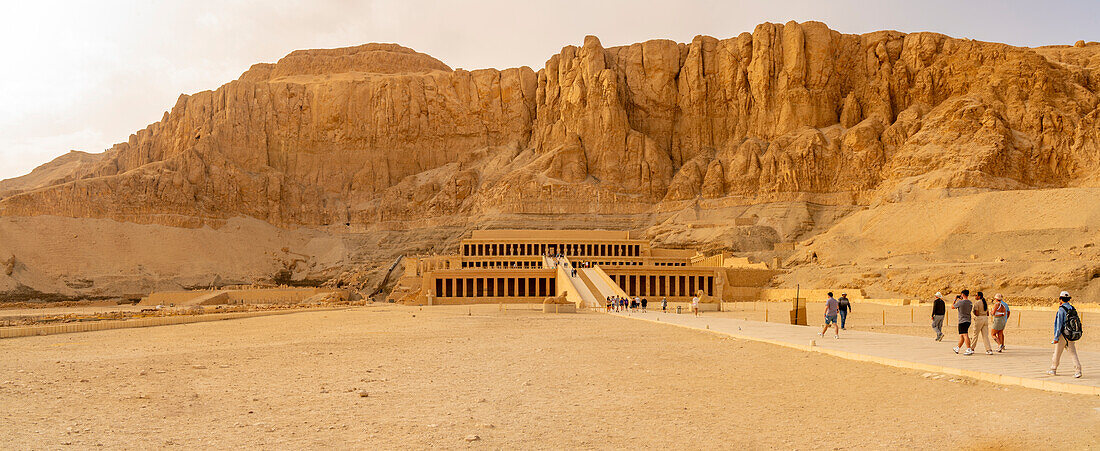
Temple of Hatshepsut – A Masterpiece in Stone
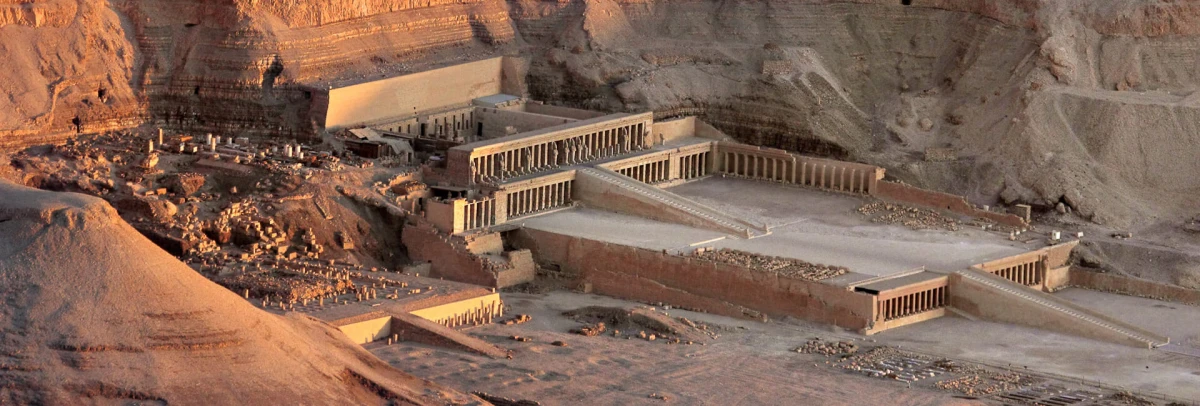
The Temple of Hatshepsut emergesas a stunning architectural achievement which displays its beauty through its design. Hatshepsut's mortuary temple serves as an architectural masterpiece which demonstrates perfect design symmetry through its balanced visual elements. The terraces of the building create a natural flow which leads to one of Egypt's most beautiful natural spots.
Valley of the Queens – Beauty and Grace in the Afterlife
The Valley of the Queens functions as a peaceful burial ground which serves as the final resting place for queens and royal offspring. The tombs at Queen Nefertari's burial site stand among the most amazing tombs in existence. Her tomb stands as one of the most stunning ancient Egyptian burial sites because of its lively colors and artistic excellence.



-webp.webp "Hilton")
-webp.webp "dusit")
-webp.webp "Marriott Hotels")
-webp.webp "Azimut Hotel")
-webp.webp "Golden Tulip")
-webp.webp "sheraton")
-webp.webp "westin hotel")
-webp.webp "Movenpick")
