


Why Luxor Is the World’s Greatest Open-Air Museum
.jpg)
Why Luxor Is the World’s Greatest Open-Air Museum
The Luxor outdoor space demonstrates the most excellent display of museum artifacts to the public. The city provides this title to visitors because its collection of ancient sites and historical buildings and burial sites and ancient writing systems extends across multiple historical periods. Here’s why Luxor deserves this recognition.
1. A Living Legacy of Ancient Thebes
The city of Luxor stands on the grounds of ancient Thebes, which served as Egypt's main political and religious center during the New Kingdom period from approximately 1550 BCE to 1070 BCE. The city’s layout, with temples on the East Bank and necropolises on the West Bank, preserves the vision of the ancient Egyptians, where life, death, and religion were intertwined. The streets of Luxor create an experience which lets visitors explore a past time because every part of the city displays its historical background.
2. Incredible Concentration of Monuments
Luxor contains more monumental sites than any other location because of its high concentration of historical monuments.
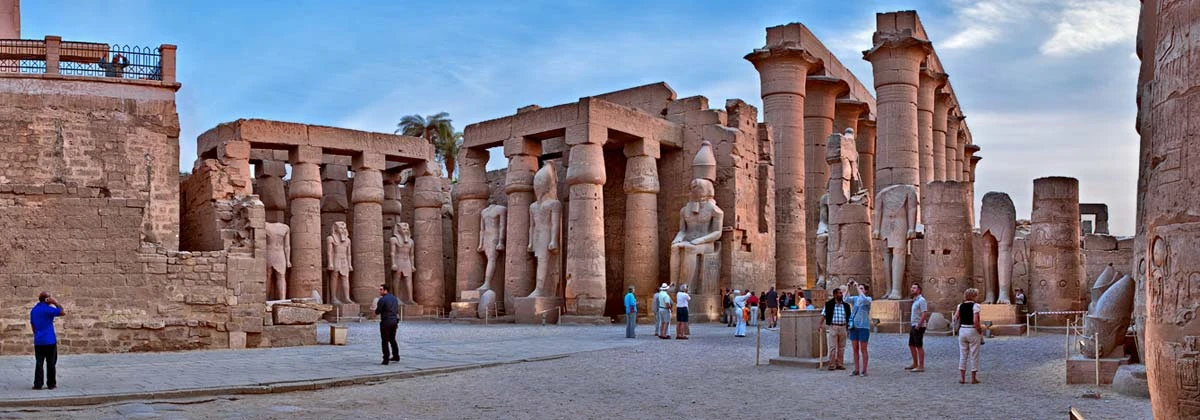
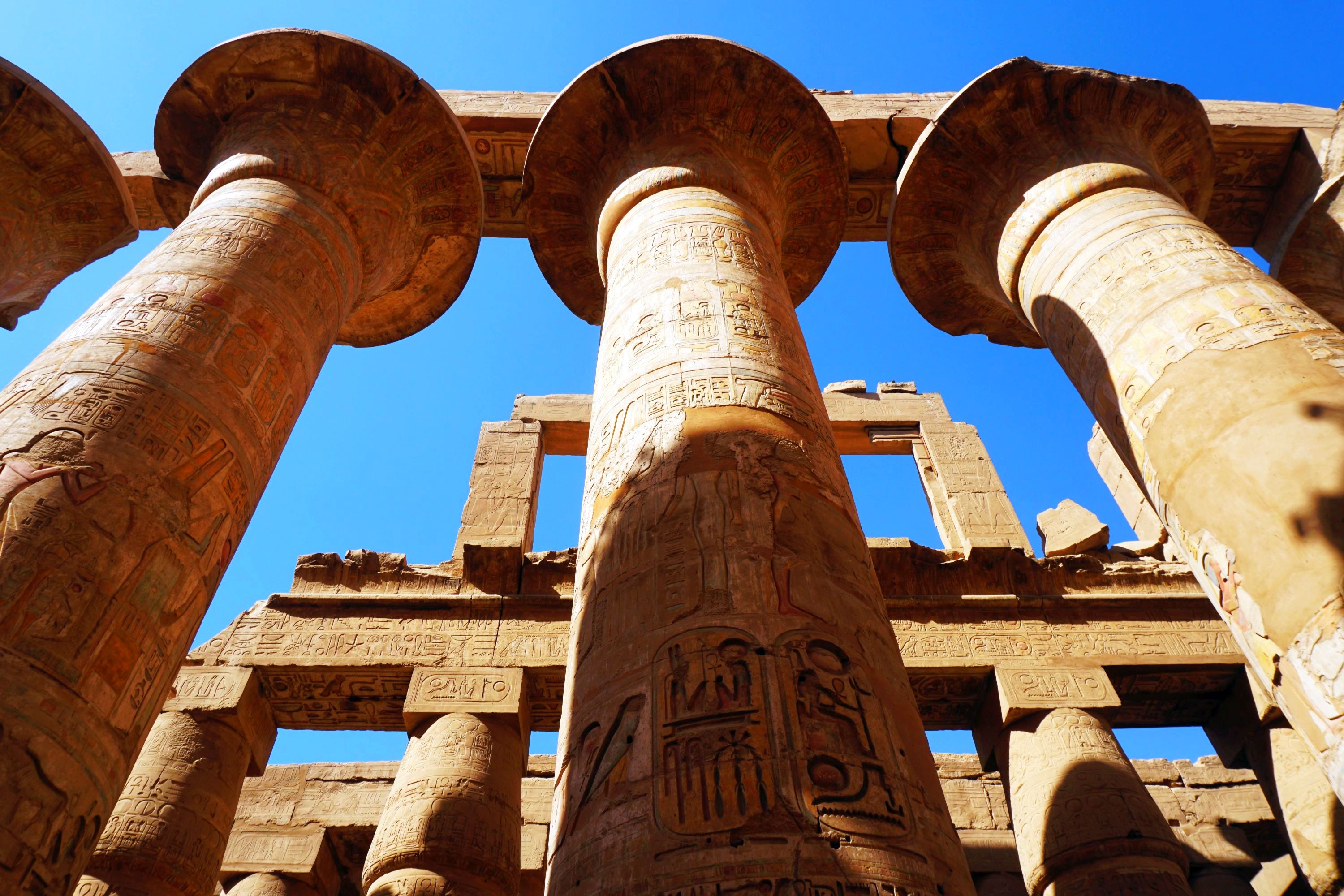
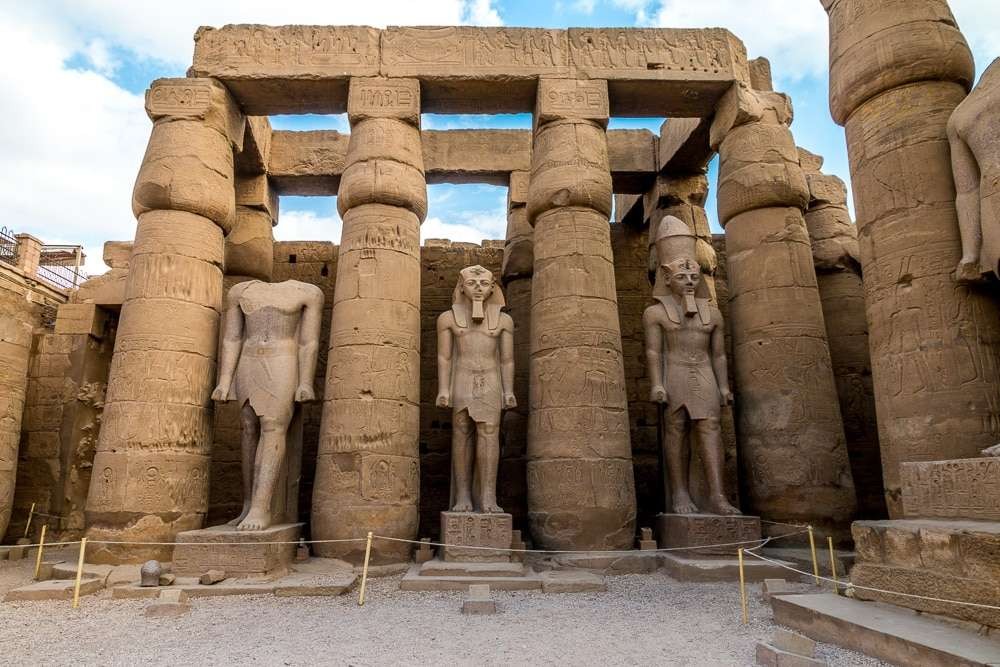
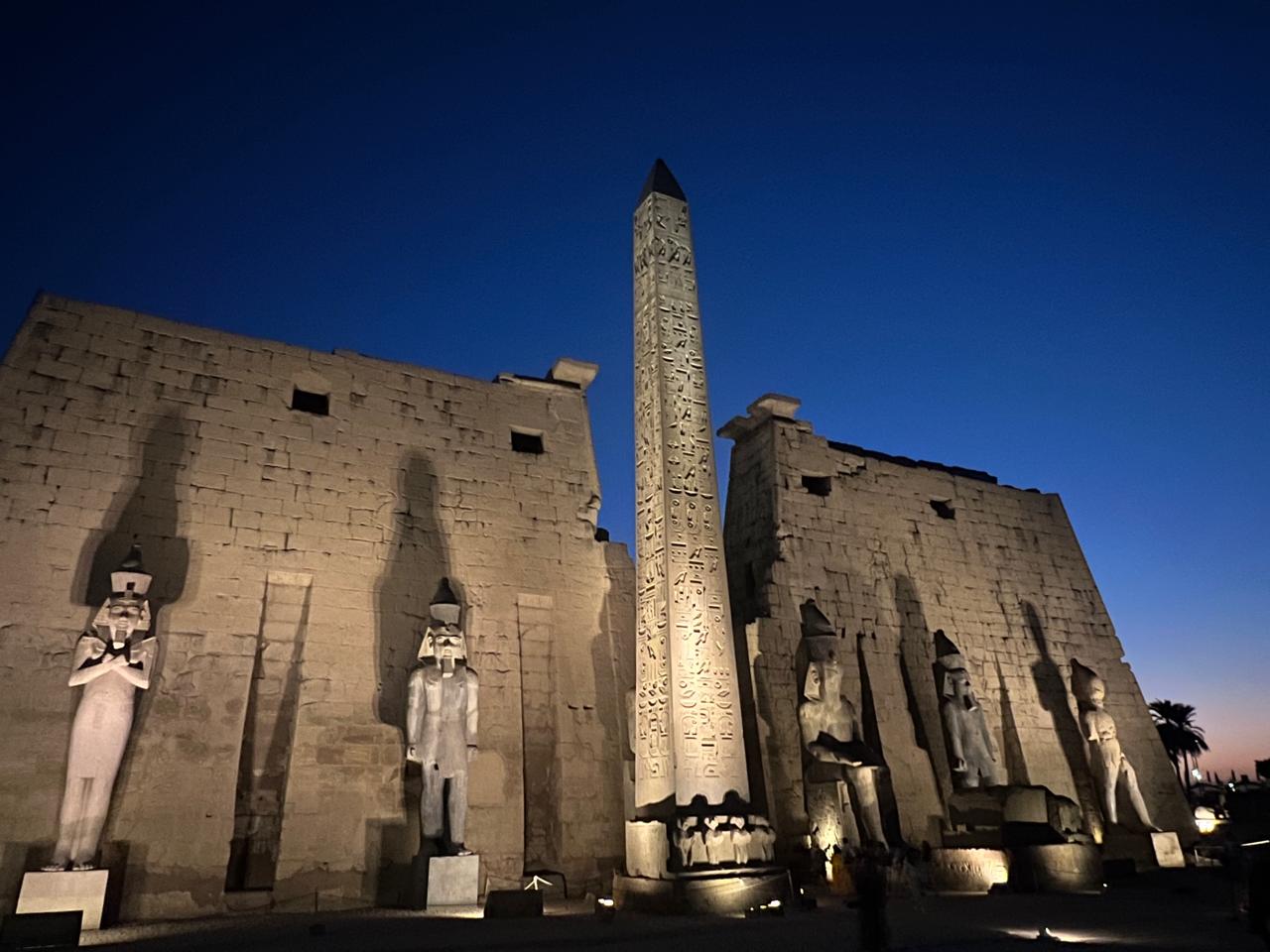
East Bank: The East Bank hosts Karnak Temple and Luxor Temple as its main religious sites which display royal power through their architectural design.
West Bank: The West Bank contains the Valley of the Kings and Valley of the Queens and Hatshepsut’s Mortuary Temple and Medinet Habu.
Colossi of Memnon: The Colossi of Memnon serve as enormous statues which showcase the magnificent appearance of Amenhotep III’s funeral temple.
The city contains numerous intact buildings which create a unique outdoor museum that displays architectural designs together with sculptures and ancient Egyptian writing systems.
3. Discover the Valley of the Kings
The West Bank of Luxor houses the legendary Valley of the Kings, where pharaohs of the New Kingdom were buried. More than 60 tombs exist in the valley, which contains the internationally known tomb of Tutankhamun that was found in 1922 with most of its contents preserved.
Key things to note:
The tombs show colorful hieroglyphics which include religious texts that feature the Book of the Dead.
The beliefs about the afterlife and soul journey between life and death are shown through the design of each tomb.
Tutankhamun’s tomb requires visitors to purchase an extra ticket for entrance.
The Valley of the Kings provides visitors with an exciting experience to study ancient Egyptian beliefs and their artistic expressions and royal traditions.
4. Visit Hatshepsut’s Mortuary Temple
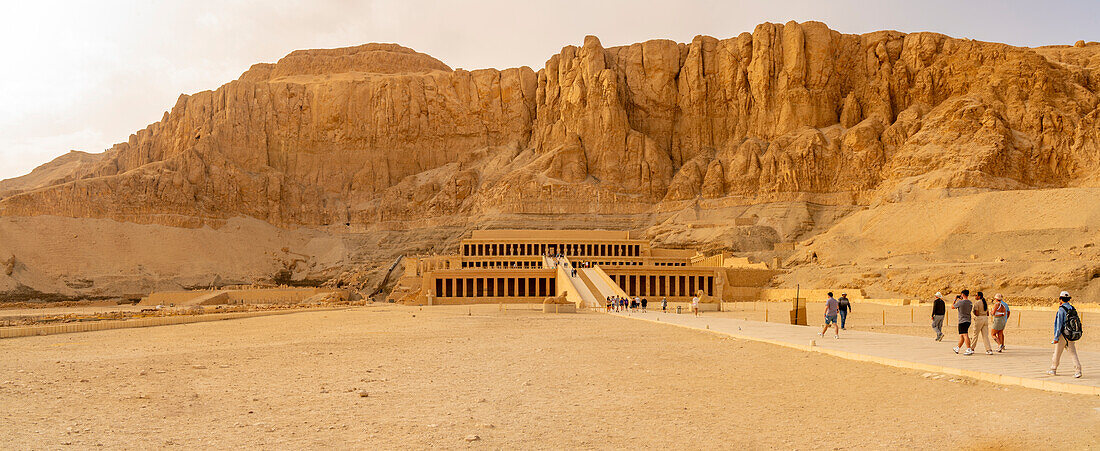
The Mortuary Temple of Hatshepsut represents a remarkable achievement of Egyptian architectural design. The temple at Deir el-Bahari displays a remarkable terraced design which has been constructed against the Nile Valley cliffs.
The main features of the site include
Terraces that connect through ramps and colonnades.
Statues and reliefs which show Hatshepsut's rule and divine parentage.
The location offers scenic views of the desert landscape and surrounding cliffs.
Hatshepsut used this temple for religious purposes while also making a political statement about her rights to rule as pharaoh.
5. Explore Luxor Museum
The Luxor Museum offers visitors a peaceful experience through its carefully selected Theban artifacts which present a complete artifact collection. The Luxor Museum presents its collection through well-designed exhibits which show all its statues, jewelry, mummies, and funerary items.
The exhibits enable visitors to understand better how ancient Egyptians lived and created artworks and carried out their daily activities.
6. Take a Hot Air Balloon Ride
Aerial views provide one of the most enchanting methods to experience Luxor. The sunrise hot air balloon rides offer visitors spectacular views which extend across the entire landscape.
7. Walk the Avenue of Sphinxes
The Avenue of Sphinxes served as an ancient religious route which linked Karnak Temple with Luxor Temple. The avenue measures approximately 2.7 kilometers in length which displays multiple rows of ram-headed sphinx statues.
The restored avenue enables present-day visitors to experience the same route which ancient Egyptians used for their religious processions. The experience provides a special way to experience the history of the city while visualizing its former majestic state.
8. Visit Medinet Habu
The Mortuary Temple of Ramesses III which people call Medinet Habu stands as one of Luxor's best-preserved temples. The site became known for its
The site displays both detailed battle scenes and their accompanying inscriptions
The site displays both its monumental pylons and their matching statues
The exhibits provide complete details about Ramesses III's entire rule including all of his accomplishments.
The temple attracts fewer visitors than most other important temples which creates an ideal environment for tourists who prefer to discover sites without encountering large groups of other travelers.
9. Explore Colossi of Memnon
The Colossi of Memnon which exist as two massive statues mark the entrance to Amenhotep III's former mortuary temple. The statues reach 18 meters in height which enables viewers to discover ancient Egyptian sculpture's enormous proportions and exceptional craft skills.
The statues stand as a famous landmark which visitors use as their preferred location to take pictures.
10. Take a Felucca Ride on the Nile
A felucca serves as a traditional wooden sailing boat. The Nile boat ride provides passengers with a peaceful experience which extends through the entire river journey.
The Nile boat ride offers passengers peaceful river travel through which they can observe the local villages and agricultural fields that border the river.
The boat ride provides a peaceful experience which helps visitors recover their energy after spending a whole day visiting different places.



-webp.webp "Hilton")
-webp.webp "dusit")
-webp.webp "Marriott Hotels")
-webp.webp "Azimut Hotel")
-webp.webp "Golden Tulip")
-webp.webp "sheraton")
-webp.webp "westin hotel")
-webp.webp "Movenpick")
