


Luxor in One Day
Luxor in One Day: A City That Embodies the Continuity of Egyptian Civilization
The city of Luxor stands as one of the most archaeologically valuable cities worldwide because it serves as the modern fulfillment of ancient Thebes which functioned as Egypt's New Kingdom capital between 1550 and 1070 BCE. The city functions as an outdoor museum that displays ancient Egyptian architectural and religious development through its collection of temples and royal tombs and their associated funerary inscriptions. The article provides a detailed guide to one day of exploring Luxor while examining its archaeological and cultural importance.
Geographical and Historical Context
Archaeological research divides Luxor into two primary zones which sit on the Nile River banks in Upper Egypt.
The East Bank: Associated with daily life and official religious worship.
The West Bank: Linked to the world of death and rebirth according to ancient Egyptian beliefs.
Thebes reached its peak during the 18th and 19th dynasties, particularly under rulers such as Hatshepsut and Ramesses II, when religious architectural projects expanded on an unprecedented scale.
The East Bank: Temples of Power and Worship
Karnak Temple
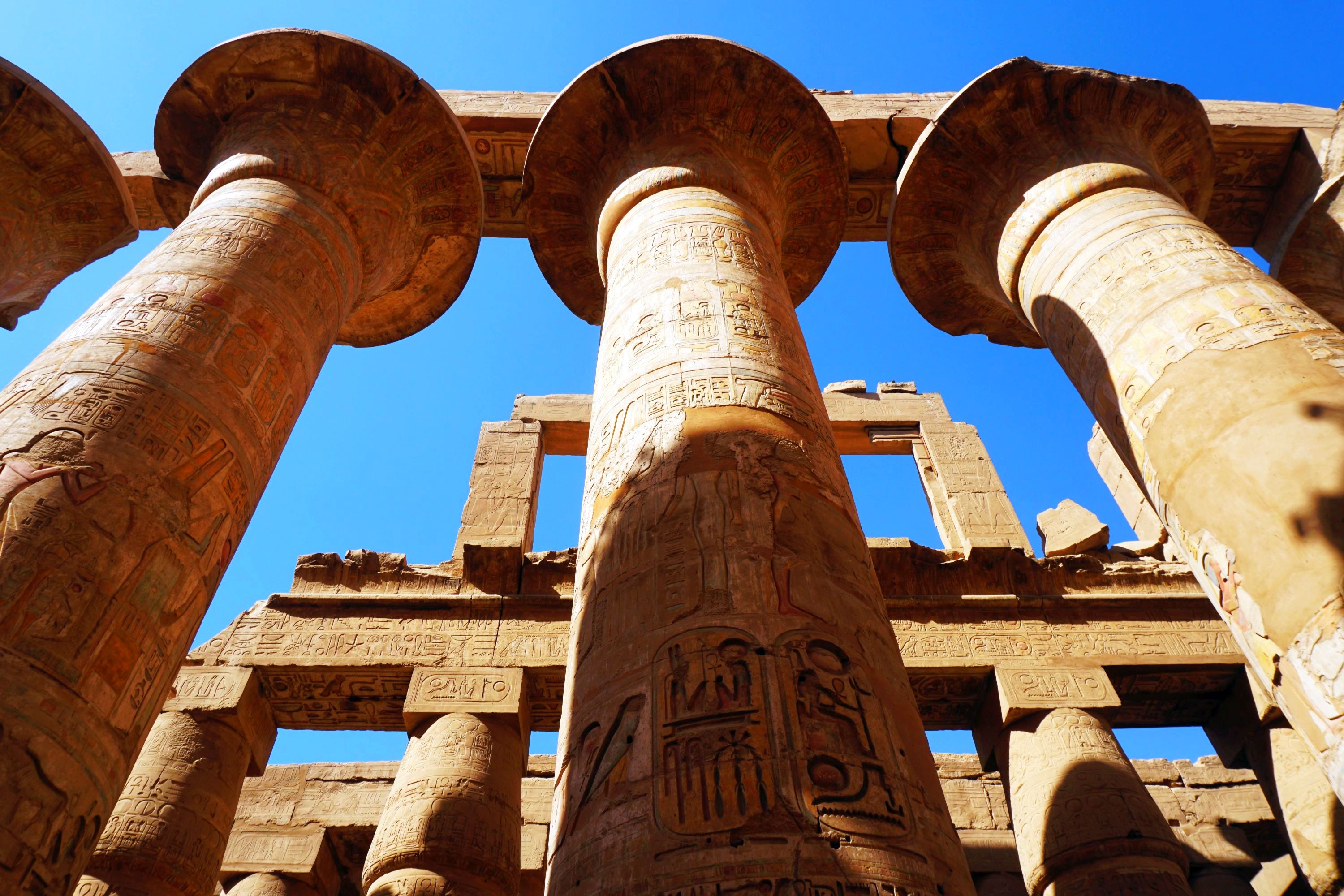
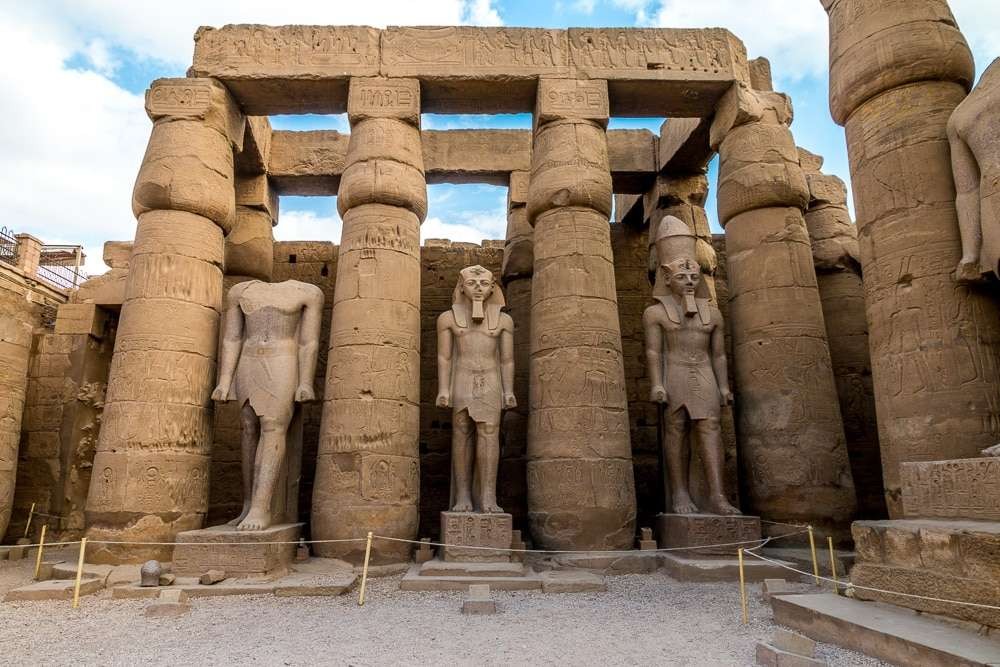
The Karnak Temple complex serves as ancient Egypt's most extensive religious site which construction continued for over 2000 years. The complex contains various temples which honor the deity Amun and his wife Mut and their child Khonsu. The Great Hypostyle Hall space contains 134 enormous columns which function as both an architectural milestone and a demonstration of building advances and sandstone implementation. The inscriptions on the walls reveal the royal rituals and military activities of the time, which offer historians valuable political and historical information.
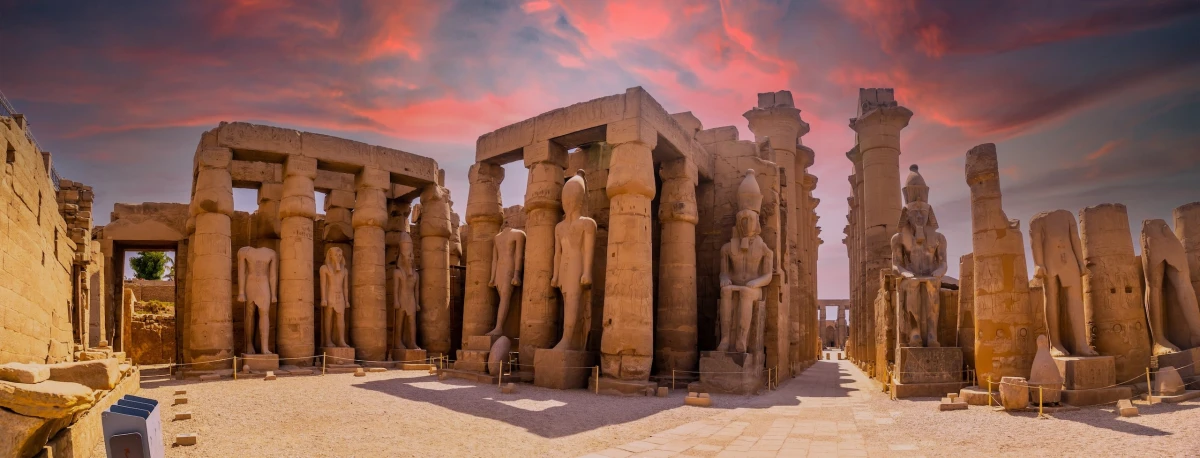
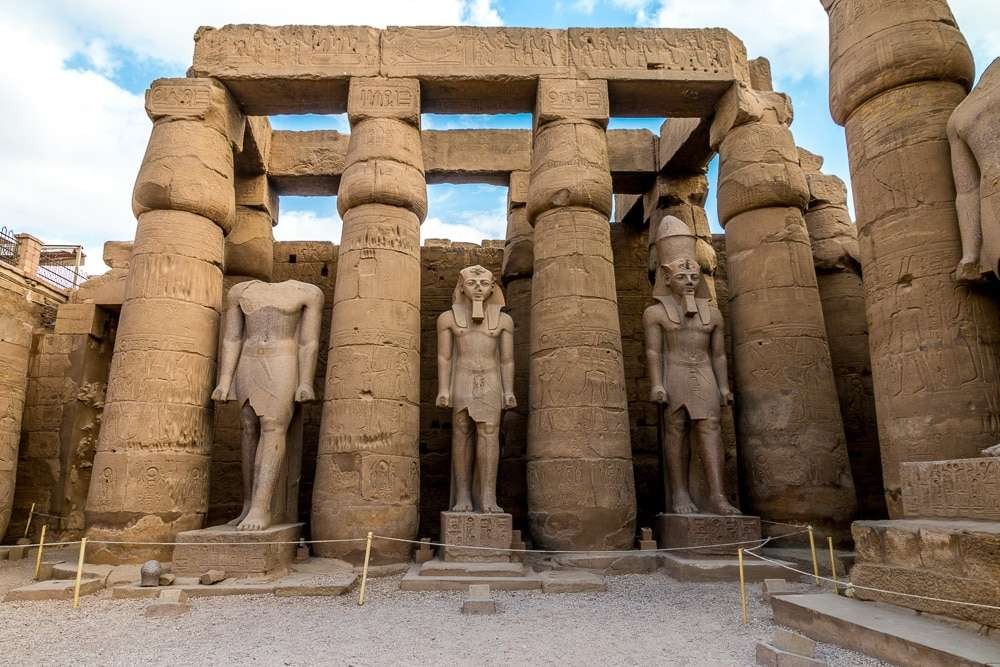
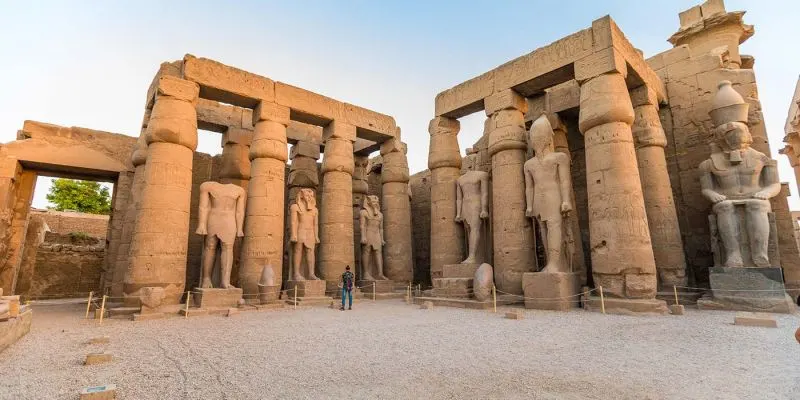
The luxor temple
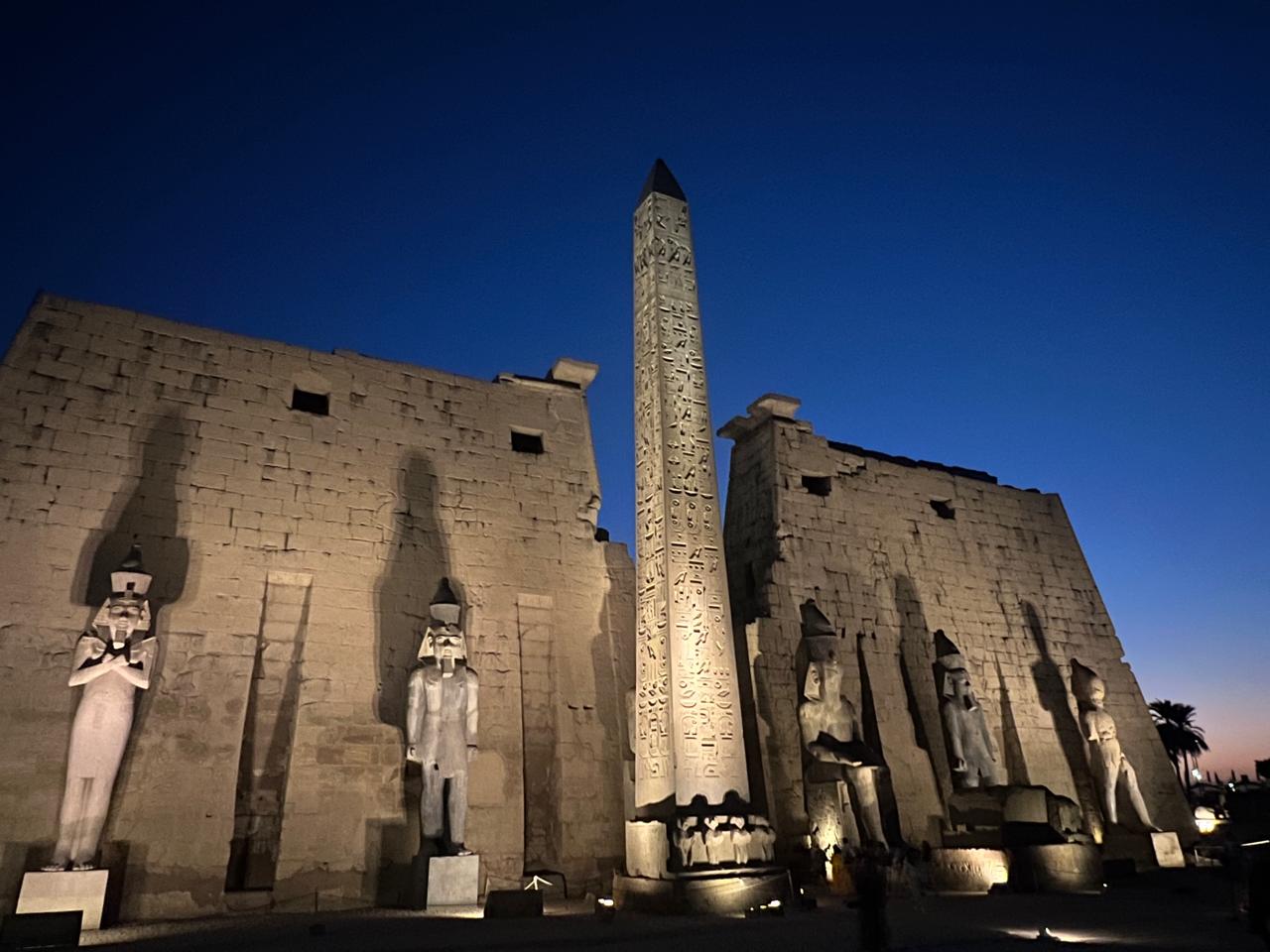
Luxor The Open-Air Museum of Egyptian Civilization shows visitors the complete history of Egyptian civilization through its open-air exhibit.
The city of Luxor stands as a vital historical site which extends from the Nile River banks in Upper Egypt to its most southern point. The city exists as modern Thebes which served for centuries as Egypts capital during the New Kingdom era and it maintains treasures that contain the complete history of Egyptian civilization.
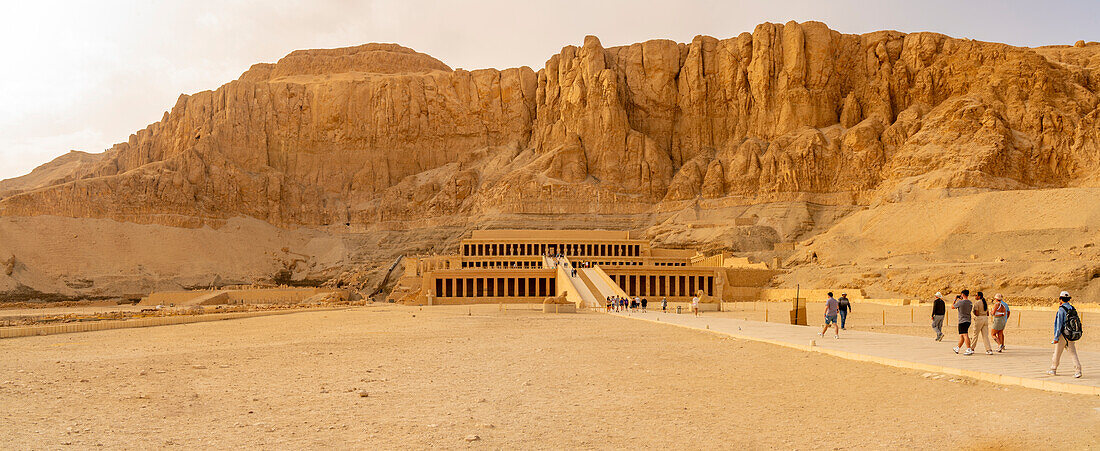
The urban area consists of two main sections which include the East Bank that contains important religious sites like Karnak Temple and Luxor Temple and the West Bank which contains royal burial sites and the Valley of the Kings and Hatshepsut's Mortuary Temple which served as sacred spaces for ancient Egyptians to worship their deities and prepare for life after death.
The city of Luxor exists today as an open-air museum which displays ancient Egyptian architectural works together with the religious and governmental growth of the society and the artistic achievements of its pharaohs. Luxor provides visitors with an opportunity to discover historical depth through its display of daily activities and religious practices and artistic creations and engineering accomplishments which built a continuing existing civilization.
Luxor functions as an archaeological city which gives visitors a cultural and spiritual journey through its displays of Egyptian heritage and its historical achievements that span across thousands of years.



-webp.webp "Hilton")
-webp.webp "dusit")
-webp.webp "Marriott Hotels")
-webp.webp "Azimut Hotel")
-webp.webp "Golden Tulip")
-webp.webp "sheraton")
-webp.webp "westin hotel")
-webp.webp "Movenpick")
