


Why Small-Scale Cruising is 100% Safer Than a Mega-Ship Today
As we move through the 2026 travel season, the definition of "luxury" has undergone a fundamental shift. It is no longer just about gold-plated fixtures or the size of the lobby; it is about safety and personal space. While mega-ships are often touted as floating cities, they also bring the logistical and health complexities of a city.
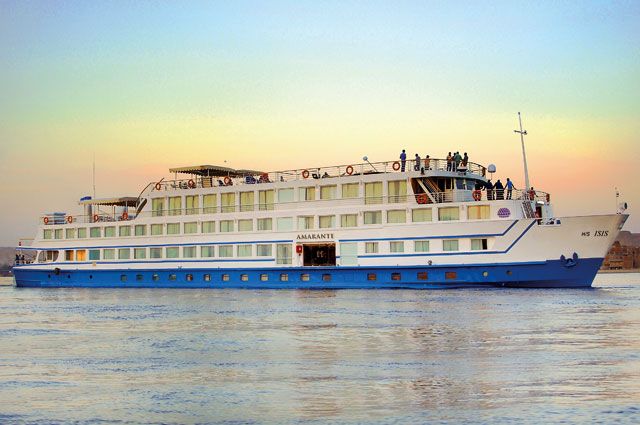
In contrast, small-scale cruising—specifically on vessels like the Nile Dahabiya or boutique river yachts—offers a controlled environment that is mechanically and biologically safer. Here is why choosing "small" is the smartest safety play you can make today.
1. The "Crowd Density" Factor
The most obvious safety advantage is the sheer number of people. A mega-ship can carry 3,000 to 6,000 passengers plus 2,000 crew members.
-
The Small Ship Reality: On a Dahabiya, you are sharing a space with 8 to 12 guests and a similar number of crew.
-
The Safety Impact: In the event of an emergency, evacuating 12 people to a riverbank takes seconds and is orderly. Evacuating 5,000 people involves complex muster stations, stairwell traffic, and a high risk of human error or panic. In 2026, "safe" means being in a group small enough to be accounted for by name, not by a barcode.
2. Hygiene and "Bio-Security"
We have all heard the stories of gastrointestinal or respiratory outbreaks on large cruise lines. In a closed environment with thousands of people sharing the same ventilation and buffet tongs, viruses spread with mathematical efficiency.
-
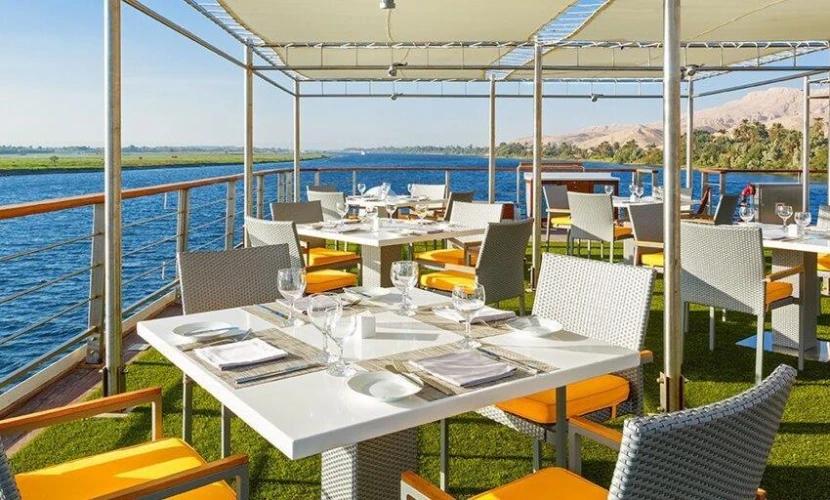
Controlled Dining: On a small vessel, there are no 200-person buffets. Your meals are A la Carte, prepared by a chef for a small group. This significantly reduces the risk of cross-contamination.
-
Air Quality: In 2026, top-tier boutique ships have moved away from centralized, "shared" ventilation systems. Many small ships now feature independent air filtration for each cabin, meaning you aren't breathing the same air as the person three decks away.
-
Traceability: If someone does feel unwell on a ship of 12, the crew can immediately isolate and manage the situation. On a mega-ship, you may not know a virus is spreading until hundreds are already affected.
3. Mechanical Reliability: The Tugboat Advantage
Large cruise ships are complex machines with massive diesel engines. If an engine fails, the ship is often at the mercy of the current until a specialized tug can arrive from a major port.
-
The Dahabiya Fail-Safe: Dahabiyas are unique because they are sail-powered but accompanied by a dedicated tugboat.
-
The 2026 Standard: In the 2026 season, luxury operators use a "long-rope" tugboat system. If the wind dies, the tugboat pulls the Dahabiya. If the tugboat has a mechanical issue, the sails can be unfurled to reach a bank. Having two independent methods of propulsion is a safety redundant feature that large ships simply don't have.
4. Docking and Access: Avoiding the "Traffic Jam"
Safety isn't just about what happens on the boat; it’s about where you land. Large ships are restricted to major deep-water ports. These ports are often congested, high-traffic areas where "double-parking" (vessels tied side-by-side) is common.
-
The Boutique Edge: Small vessels have a shallow draft. They don't use the crowded ports. They dock at private riverbanks or remote islands.
-
The Safety Benefit: You avoid the "crush" of thousands of tourists disembarking at once. You aren't walking across the decks of four other ships to reach the shore, reducing the risk of slips, falls, and the general chaos of crowded gangways.
5. Safety by the Numbers
| Safety Feature | Mega-Ship (3,000+ Guests) | Small-Scale (12-40 Guests) |
| Emergency Evacuation | Complex / Requires Drills | Immediate / Direct to Shore |
| Outbreak Risk | High (Shared Buffets/Air) | Low (A la Carte / Independent Air) |
| Propulsion | Centralized Engine | Dual (Sails + Independent Tug) |
| Port Security | High-Traffic / Congested | Private / Secluded |
| Staff Oversight | 1 Crew per 3-4 Guests | 1 Crew per 1 Guest |
6. The "Human" Element of Safety
Ultimately, the greatest safety feature of a small boat is the Crew-to-Guest Ratio. In 2026, most luxury small-scale ships operate on a 1:1 or better ratio. On a mega-ship, your cabin steward might be responsible for 20 or 30 rooms.
On a Dahabiya, the crew knows your name, your gait, and your physical needs. If you trip or feel faint, someone is there to catch you instantly. You are a person, not a cabin number. And in 2026, that level of personal oversight is the ultimate luxury—and the ultimate safety net.







-webp.webp "Hilton")
-webp.webp "dusit")
-webp.webp "Marriott Hotels")
-webp.webp "Azimut Hotel")
-webp.webp "Golden Tulip")
-webp.webp "sheraton")
-webp.webp "westin hotel")
-webp.webp "Movenpick")
