


What Makes a Destination Deaf-Friendly?
People who are Deaf or hard-of-hearing need to find travel destinations which support their methods of communication instead of merely selecting attractive locations. A Deaf-friendly destination is one that removes barriers, provides clear visual information, and ensures accessibility in every aspect of the travel experience. New Travel Dynamics functions as an ideal travel partner because it helps travelers complete their complex journeys without difficulties while achieving maximum fun during their trip.
Clear Visual Communication Everywhere
Deaf-friendly destinations need visual communication systems as their main method of communication. The essential information should be displayed through visual methods at airports hotels and tourist sites which require public announcements and all vital signage to be accessible for viewing. Deaf travelers need three types of information systems which include digital screens and visual alert systems and written instructions to maintain their safety and knowledge about their surroundings. New Travel Dynamics provides tour and activity scheduling services which require visual guidance systems to operate all scheduled events.
Accessibility in Accommodation and Services
Deaf guests require accessible services at hotels and restaurants and transportation services. The requirements involve visual fire safety alarms and staff members who can communicate through text and sign language and the provision of written service instructions. Deaf travelers experience comfortable and secure travel when they visit destinations that understand their needs. The new travel dynamics process selects hotels which fulfill these requirements to create an entire trip experience without any problems from the moment travelers reach until they leave.
Supportive Local Culture
A Deaf-friendly destination is one where locals are understanding and accommodating. Basic knowledge of sign language, patience in communication, and openness to alternative forms of interaction make a huge difference in the travel experience. While universal sign language is not always present, gestures, written communication, and technology help bridge cultural and language gaps.
Visual and Interactive Attractions
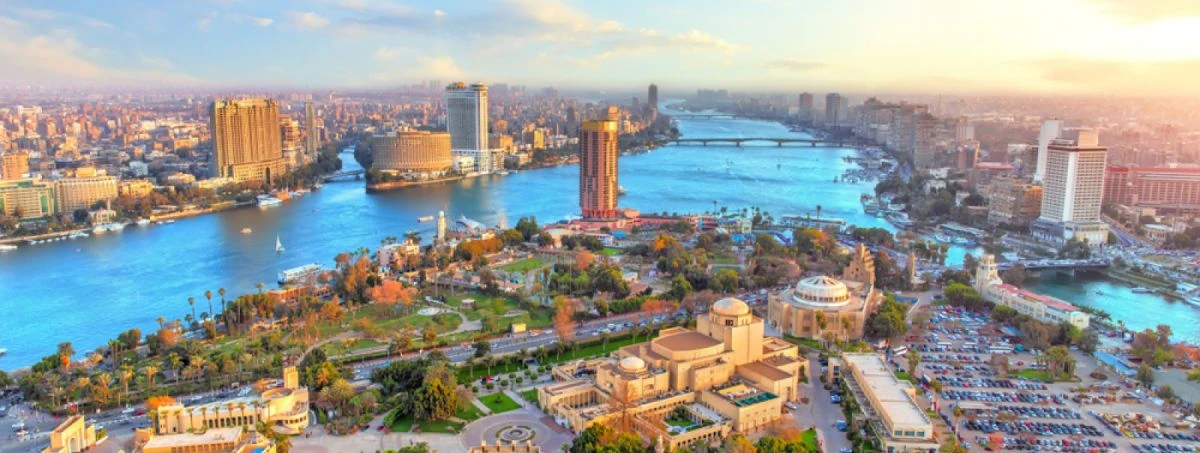
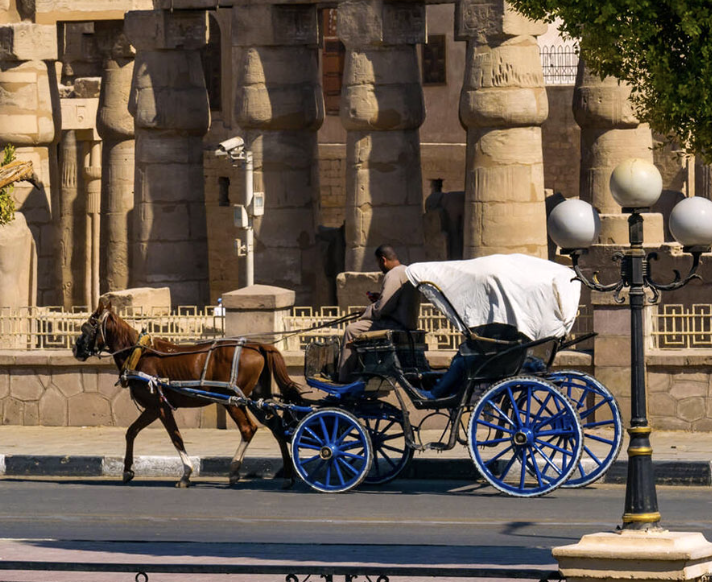
Tourist attractions that rely heavily on visual storytelling, interactive exhibits, and clear signage are ideal for Deaf travelers. Historic sites, museums, natural landmarks, and cultural performances should provide information that can be fully experienced visually. Destinations like Egypt offer a wealth of visual experiences—from the pyramids and temples to the bustling markets and the Nile River—that Deaf travelers can enjoy without relying on audio-based information.
Efficient Use of Technology
Technology is a key factor in making a destination Deaf-friendly. Wi-Fi availability, apps for translation, digital maps, and notification systems all enhance accessibility. These tools allow Deaf travelers to navigate independently, communicate effectively, and stay informed throughout their journey. Professional support from New Travel Dynamics integrates technology into every aspect of the trip, making travel smoother and more enjoyable.
Safety and Awareness
The Deaf-friendly destination maintains all visitor safety as its primary goal. Visual alerts and clear signage together with accessible emergency procedures must be implemented as essential requirements. The Deaf travelers need to develop situational awareness skills to help them navigate their trip with confidence. The New Travel Dynamics system provides complete journey planning that prioritizes your safety and comfort at every stage.
Private and Tailored Experiences
Destinations that allow customized tours or private group options are especially Deaf-friendly. The tours use visual explanations and written guides and gestures to deliver complete information to the audience. New Travel Dynamics creates custom travel experiences that enable Deaf travelers to access all cultural and historical and scenic attractions without facing any obstacles.
Conclusion: The Hallmarks of a Deaf-Friendly Destination
A Deaf-friendly destination requires six essential elements which include visual communication, accessible services, supportive culture, interactive attractions, safety measures and technology integration. A destination that meets these criteria enables travelers to experience a seamless journey which brings them greater knowledge and personal empowerment. New Travel Dynamics designs every trip to provide complete Deaf-friendly experiences which deliver both comfortable access and lasting memorable moments.







-webp.webp "Hilton")
-webp.webp "dusit")
-webp.webp "Marriott Hotels")
-webp.webp "Azimut Hotel")
-webp.webp "Golden Tulip")
-webp.webp "sheraton")
-webp.webp "westin hotel")
-webp.webp "Movenpick")
