


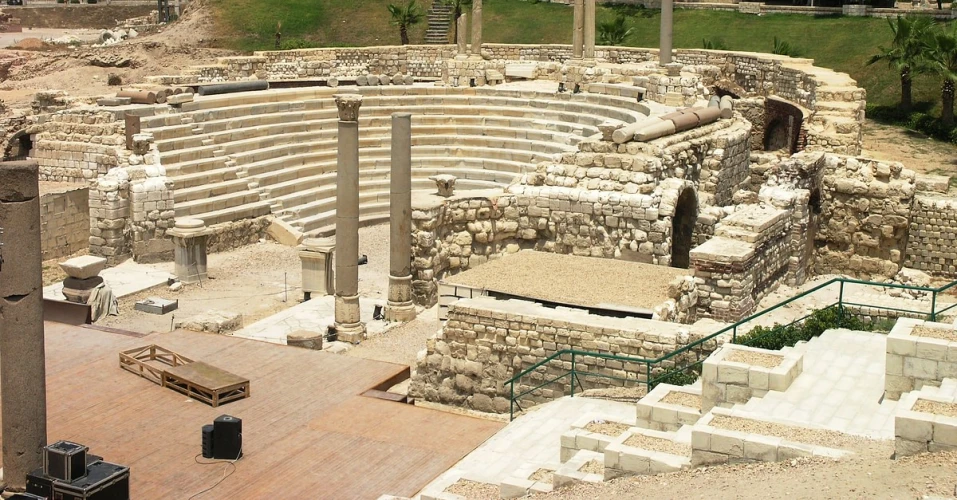
The Roman Period in Egypt: From Augustus’s Granary to the Age of Conflict
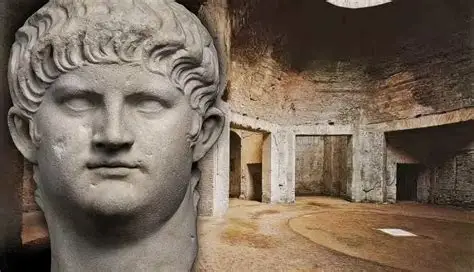
The Fall of the Ptolemies and the Birth of Roman Egypt
ROMAN PERIOD (51-30 BC) was able to keep Egypt at least nominally independent for as long as she did. The defeat of Antony at Actium in 30 BC and Octavian's pursuit of him to Egypt finally put an end to Egypt's position as a sovereign state. The Roman period (30 BC-AD 337). This phase, like the Ptolemaic period, lasted about 300 years and was clearly marked by the impress of a single man, Octavian, Emperor Augustus. Egypt was incorporated into the Roman Empire as the personal possession of the emperor, governed by an equestrian prefect appointed specially by him, the first, Cornelius Gallus, being assigned to office in 27 BC.
The Granary of Rome and the Revival of Trade Routes
Egypt's importance derived from its potential as an imperial granary, supplying Rome with up to five million bushels of grain every year. The first two centuries of Roman rule were comparatively peaceful. Greek remained the administrative language and the Ptolemaic administration had been so efficient that the Romans had to do little to alter it. The Hellenistic element in Egypt received a fresh accession of strength by the settlement of Roman veterans in the Fayyiim. In the reign of Trajan (AD 98) the Red Sea Canal of Necho was recut, the trade routes to India were reopened and Egypt began a good export trade in glass (manufactured in the Delta), linen, papyrus and jewellery. From the beginning there were invasions from the South, first by the Ethiopians and later by the Blemmyes. In 268 Queen Zenobia of Palmyra invaded Egypt and ruled for a short period before she was dethroned in 273.
Internal Strife, Economic Decline, and Imperial Monuments
At first Alexandria prospered but it was tom by opposition to the Jewish faction and struggles for power among the Christians. After the destruction of Jerusalem, in AD 70, the Jews became very anti-Roman and this led to many disturbances and massacres. By the 3C AD the economic decline of the Roman world caused further misery in Egypt.The coinage was debased, the peasants fled their fields and turned to robbery. The basic causes were over-taxation and lack of security. The Roman emperors did not build as lavishly in Egypt as the Ptolemies had, but nevertheless they did carry out some remarkable works as at Philae (Trajan's kiosk), Dendarah and Esna.They also adopted many of the Egyptian cults which spread out around the empire. That of Isis, for example, had temples at Rome, London and throughout Europe; Serapis was also widely honoured.
The Age of Christian Persecution and Foreign Invasions
Under Diocletian (284), such was the persecution of the Christians in Egypt that the Copts date their era, known as the Martyrs' Calendar, from his reign. Responsibility for Egypt passed to Constantinople which was too distant and not sufficiently powerful to govern satisfactorily. From the West the North Africans attacked across the desert, from the South the Nubians raided the oases in the reign of Theodosius II (408-450); but of greater consequence and more persistent were the attacks of ,the Sassanids from Persia in the 5-6C





-webp.webp "Hilton")
-webp.webp "dusit")
-webp.webp "Marriott Hotels")
-webp.webp "Azimut Hotel")
-webp.webp "Golden Tulip")
-webp.webp "sheraton")
-webp.webp "westin hotel")
-webp.webp "Movenpick")