


The Old Kingdom of Ancient Egypt
Exploring Egypt’s Old Kingdom: History, Culture & Travel Insights
The Old Kingdom of Ancient Egypt (c. 2686–2181 BCE) stands as one of the most extraordinary eras in world history. The period called the "Age of the Pyramids" saw the emergence of strong central governments, the construction of massive buildings, and the complete establishment of divine kingship. The Old Kingdom built the governmental system together with religious practices and artistic expressions, which would define Egyptian culture throughout the following thousand years.
This comprehensive guide explores the history of the Old Kingdom, its most important pharaohs, its architectural masterpieces, religious beliefs, daily life, and why this era remains central to Egypt travel experiences and global archaeological fascination.
What Was the Old Kingdom of Ancient Egypt?
The Old Kingdom refers to the period between approximately 2686 and 2181 BCE, which includes the Third through Sixth Dynasties. The period saw Egypt achieve its strongest centralized government system, which operated under divine rulers who governed from Memphis.
The pharaoh served as both a living deity and the earthly manifestation of Horus, who required his kingdom to sustain Ma'at, which represented cosmic order and truth and justice. The Nile agricultural revenues enabled rulers to fund large-scale government building initiatives, which resulted in the construction of the most famous pyramids in the world.
Key Pharaohs of the Old Kingdom
Djoser:
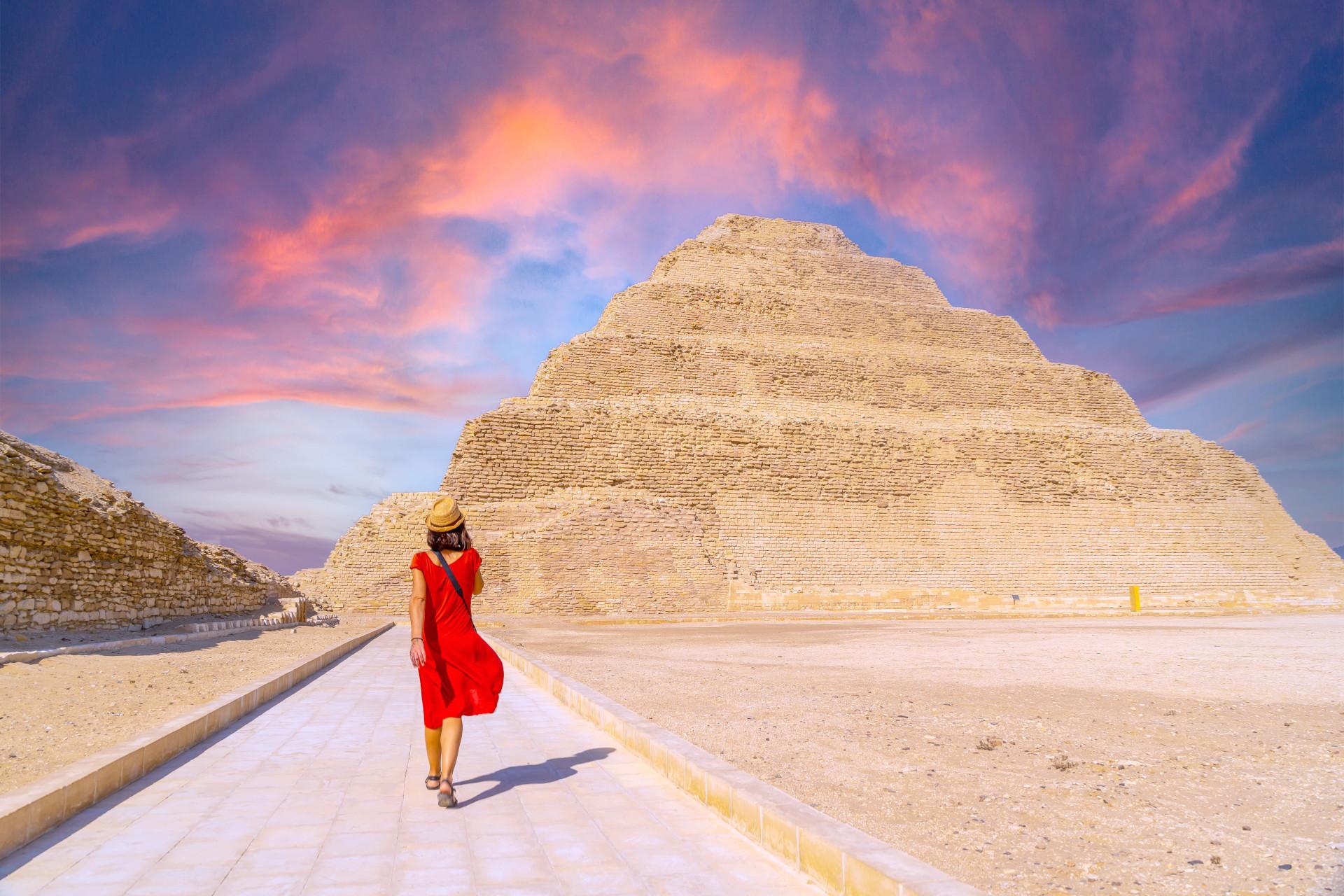
The Egyptian architectural field reached a new level of development through Djoser's order, which created the first major stone monument in history at Saqqara. The pyramid built by Djoser established the development of pyramid architecture because his architect Imhotep designed it from simple mastaba tombs into a complete pyramid structure.
Djoser used his power as a centralized ruler to build his government while establishing architectural standards that future architects would follow.
Sneferu:
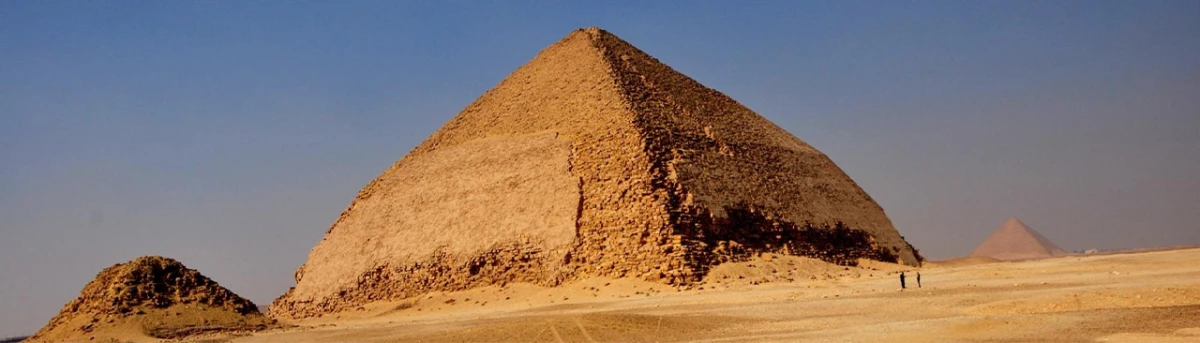
Sneferu created new techniques for pyramid construction because he worked on building several pyramids, which included the Bent Pyramid and Red Pyramid at Dahshur.
His rule brought about a time of wealth, government organization, and architectural design testing.
Khufu:
Khufu commissioned the Great Pyramid of Giza, one of the Seven Wonders of the Ancient World. This structure has become one of the most researched and beloved monuments throughout human history.
The construction process of the project demands extreme precision together with large-scale operations and systematic management methods, which demonstrate the advanced engineering and administrative capabilities of the Old Kingdom.
Khafre:
Khafre constructed the second pyramid at Giza, for which he is recognized as the builder of the Great Sphinx. His pyramid complex showed advanced design capabilities and used religious elements for spiritual expression.
His kingship maintained the imperial power and governmental control that his ancestors had established.
Menkaure:
Menkaure built the third pyramid at Giza, which stands smaller than the other pyramids but shows better architectural design. The statues created during his reign demonstrate high artistic skill because of their precise design and equilibrium, which shows the progress of artistic development.
Pepi II:
King Pepi II ruled Egypt for more than 90 years of his reign. The central authority of his kingdom lost power during his later years, while provincial governors gained strength to govern their territories.
The First Intermediate Period began in Egypt after his death, when political power became divided, and royal authority decreased.
Monumental Architecture of the Old Kingdom
1-The Giza Plateau:
The pyramids of Giza stand as the most significant achievement of the Old Kingdom of Egypt. The massive burial sites functioned as components of extensive burial grounds, which contained both temples and pathways, and additional pyramids designated for queens.
The Giza complex serves as an essential destination because its builders achieved precise construction work that perfectly aligned with the main cardinal directions while creating religious symbols.
2-Saqqara and the Step Pyramid:
The Step Pyramid at Saqqara represents the earliest large-scale stone construction in history. The site shows how traditional mastaba tombs developed into the pyramid architectural style.
The archaeological sites at Saqqara today rank among the most significant locations in Egypt.
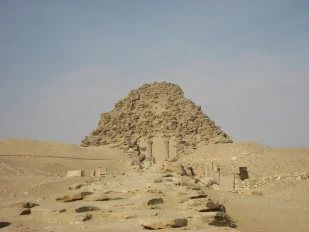
3-Dahshur
The Step Pyramid at Saqqara represents the earliest large-scale stone construction in history. The site shows how traditional mastaba tombs developed into pyramid architectural style.
The archaeological sites at Saqqara today rank among the most significant locations in Egypt.
4-Religion and Divine Kingship
The entire existence of the Ancient Egyptians in the Old Kingdom period depended on their religious beliefs. The Egyptian people believed that their pharaoh served as the holy link between their deities and their mortal existence. The Nile annual flood and all agricultural activities and the entire universe, depended on people who maintained Ma'at.
During the Fifth Dynasty period, sun worship became a major religious practice for the Egyptians. The sun god Ra received more worshippers, and the Egyptians built solar temples to honor him.
The royal burial ceremonies aimed to secure the king's ability to rise from death and live forever. The pyramid complexes served as sacred paths that led to the afterlife.
Society and Daily Life during the Old Kingdom
Social Organization
The Old Kingdom social structure functioned through a system that established clear social ranks. The pharaoh and his royal family occupied the highest position in the social structure, which then descended to the powerful officials and priests. The social hierarchy established a position for scribes and administrators who handled both record-keeping and administrative tasks. Skilled craftsmen and artisans formed an important professional class, while farmers and laborers made up the majority of the population.
Economic Life
The economy operated as an agricultural system that relied on the annual Nile floods to create fertile land for farming. The concept that slaves built pyramids stands as false because archaeological findings demonstrate that organized labor forces consisting of skilled workers and craftsmen built the structures.
Art and Craftsmanship
The present time period represents the highest level of artistic abilities. The artisans created beautiful statues, reliefs, jewelry, and decorative items to demonstrate their technical skills and artistic design abilities.
Historical Evidence
The Grand Egyptian Museum and the Egyptian Museum together hold multiple surviving objects from the Old Kingdom period, which provide essential information about the daily activities of that historical era.
Administrative Strength and Engineering
The Old Kingdom's centralized system of governance enabled the government to gather large numbers of workers who built and maintained their construction projects after organizing their work for many years.
The engineering accomplishments from this time period show that people had developed a sophisticated understanding of mathematical, geometric, and logistical principles.
Why the Old Kingdom Still Matters
Creating Egypt’s Lasting Legacy: The Old Kingdom established the basic elements that determine modern Egyptian heritage. The pyramids and statues, and royal burial sites of the ancient Egyptian civilization function as strong indicators of their power, their sacred beliefs, and their engineering expertise, which continue to shape their cultural identity.
The Beginning of Great Constructions: This period is widely regarded as the starting point of Egypt’s age of monumental building. The construction methods used during the Old Kingdom reached a new level of accuracy, which created an important change in the history of engineering and architectural development.
Planning Your Visit: Practical Tips for Old Kingdom Sites
1- Start Your Day Early
The Giza Pyramids provide a better experience throughout the day because of their reduced visitor numbers and improved natural lighting conditions, which benefit both viewing and photography.
2- Explore Major Old Kingdom Necropolises
Saqqara offers visitors an opportunity to discover the beginnings of pyramid building through its famous Step Pyramid of Djoser and its adjacent burial sites.
Dahshur provides visitors with a peaceful environment to view ancient royal pyramids, which include the Bent Pyramid and the Red Pyramid.
3- Enhance Your Understanding
Choosing tours guided by qualified Egyptologists provides deeper insight into Old Kingdom beliefs, architecture, and daily life.
4- Combine Sites and Museums
Visitors to pyramids should take museum tours because this combination helps them understand the artifacts and inscriptions that relate to the pyramids and their historical context.
5- Choose the Right Tour Style
International visitors can easily access Old Kingdom landmarks through Cairo itineraries and Nile cruise packages, which provide organized travel plans to these important historical sites.




-webp.webp "Hilton")
-webp.webp "dusit")
-webp.webp "Marriott Hotels")
-webp.webp "Azimut Hotel")
-webp.webp "Golden Tulip")
-webp.webp "sheraton")
-webp.webp "westin hotel")
-webp.webp "Movenpick")
