


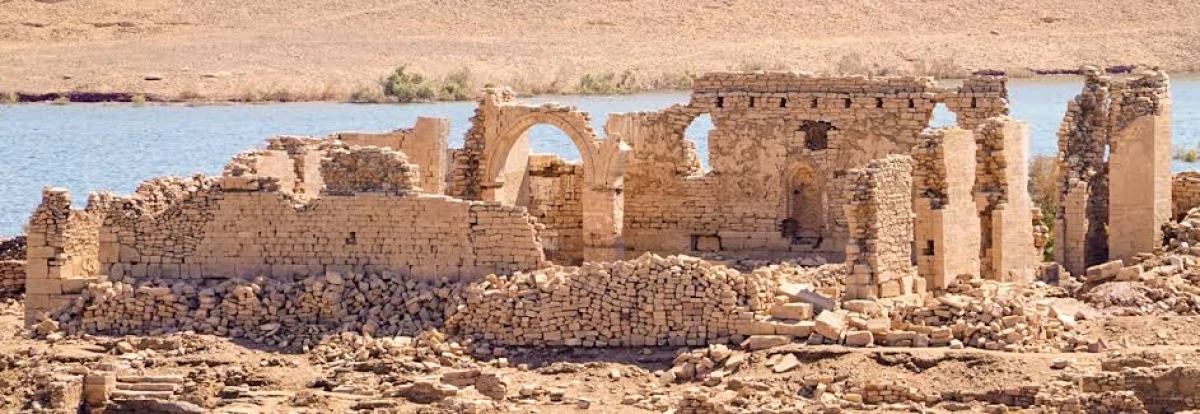
The Island That Refused to Move: A Journey to Qasr Ibrim
The Last Standing Witness: A trip toward Qasr Ibrim
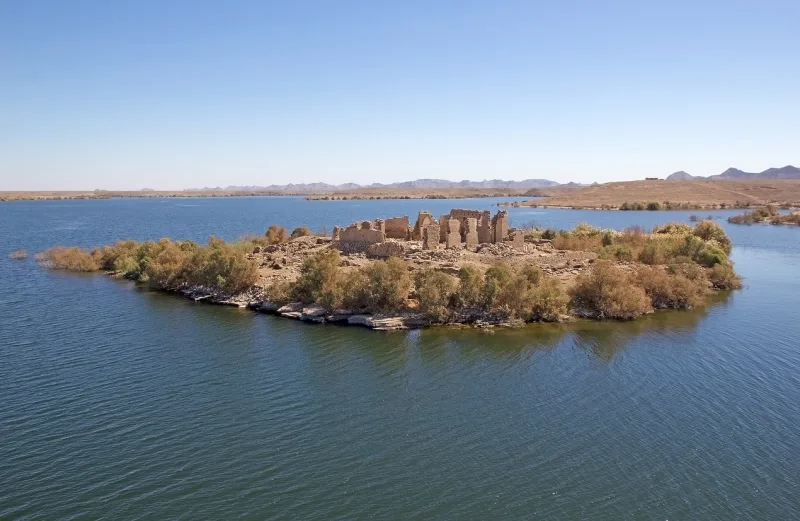
Picture yourself on a boat deck , with the sun on your shoulders, gliding over the smooth glass like surface of Lake Nasser. Out in the middle of that enormous, shimmering blue, there’s a rocky bump that pushes up, like a lone island that kept its own little collection of secrets, long after empires were done.
That place is Qasr Ibrim, honestly one of the most mysterious , and stubborn, corners in Egypt. Back when so many famous Nubian monuments were carefully taken apart—piece by piece, brick by brick—just to avoid the rising waters caused by the Aswan High Dam, Qasr Ibrim did n’t go. It stayed put, plain and simple, as if it was watching. And while the surrounding valley slowly became an inland sea, Qasr Ibrim just carried on standing there.
A Fortress Above the Clouds
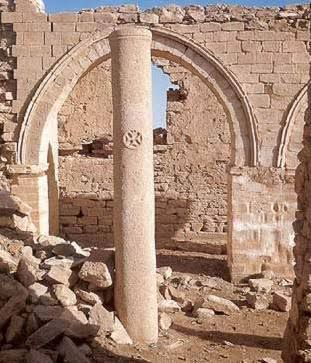
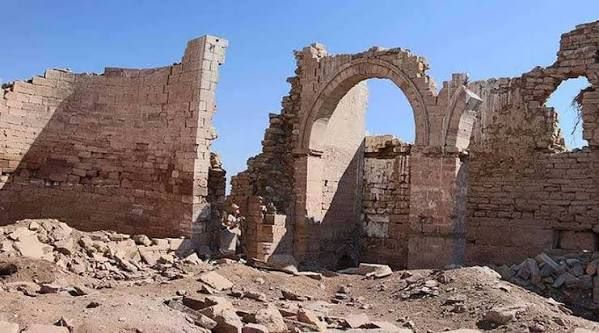
To understand Qasr Ibrim, you kinda have to picture it first. Like what it used to be, before it was an island at all. A long time back, long before it became this spot in the river, it was the highest point in the Nile Valley. For thousands of years it functioned as a natural fortress, not just a thing of stone, but a silent guardian kind of peering down at the river traffic, the marching armies, and those borders that kept changing around ancient civilizations.
And when you see it today, it looks like a rugged dusty crown, sitting up on top of the water. Yet for the people who lived here centuries ago, it felt like the middle of the world. It was a place where Romans, Nubians, Christians, and Muslims all left something behind, stacking their history in layers, like pages in an old well loved book.
The Library of the Desert
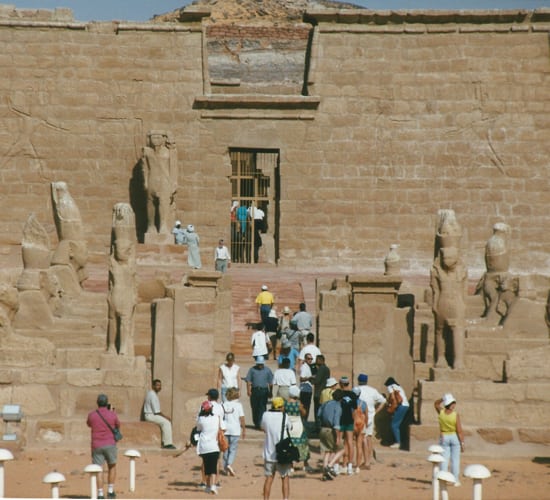
What makes Qasr Ibrim really special isn’t only the crumbling stone walls, or yeah that view out over the water. It’s more like what’s underneath all that. Because the place stayed dry and kind of untouched for such a long time, it turned into this accidental time capsule, almost by luck I guess.
Archaeologists have turned up thousands of documents here, and they’re written on papyrus and parchment too. Just sit with that for a moment — letters, accounts and even prayers that lasted hundreds of years, sometimes more than a thousand. You can find writing in Meroitic, Old Nubian, Coptic, and Arabic. It feels, like the people living there were talking to tomorrow quietly. And now we’re barely starting to hear what they left, like we’re getting the first bits of a long message.
When I try to picture the people who made those notes, I don’t think of them like figures you see in a textbook. I see a merchant, half worried about the cost of things, a priest copying a passage with steady hands, or a family passing along news as it crossed the river. Honestly they don’t seem that distant from us, not really. They wanted, to leave behind a trace. They wanted to be remembered, even if nobody knew the exact way it would happen.
The Great Transformation
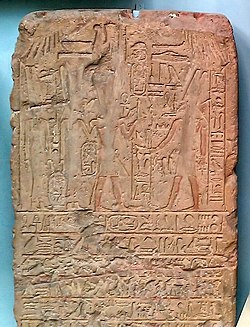
The making of the Aswan High Dam in the 1960s was like a shining modern engineering job, but it also brought a painful question, how do you save the history of the Nile, right? Things such as Abu Simbel were relocated in a huge push, and that effort really caught the world’s imagination.
Qasr Ibrim though, was kind of different. It was already so high up, that it stayed above the water line, so in effect it turned into an island,almost.
In a way, the river water actually did the rescuing. When the surroundings became distant and awkward to reach, the lake worked like a protective moat, keeping the place safer from erosion and from people messing with it, the same problems that have worn down other ancient sites over time. So it ended up as a quiet meeting point where nature and old chronicles met, then simply chose to linger together through the centuries.
The Experience of the Journey
You really can't walk on the island today. Its closed off kept safe for the researchers who are still carefully brushing away the dust to find new things. So most people see Qasr Ibrim from the water. Thats kind of the point.
There's something about coming to the island by boat. The engine makes a humming noise the water hits the boat. Makes a splashing sound and then it gets quiet as you get closer. You look up at the cliffs and feel like you're facing a place thats been around for a long time. Qasr Ibrim has seen the Nile River change direction. It has seen the whole world change from times to now.
When you're standing on the boat it's easy to feel small.. It's also easy to feel connected to something bigger. You start to notice that even though we live lives there are still places, in the world that are calm and peaceful. Qasr Ibrim feels like a reminder that even though empires rise and fall and landscapes change the stories we leave behind a long time. Qasr Ibrim is a place where you can feel that.
Why It Matters
Why does a pile of rocks on an island still matter to us today?
It matters because we live in a world that is of obsessed with the present moment. We scroll through our feeds we rush to meetings. We often forget to look back at what happened before. The island of Qasr Ibrim asks us to stop for a moment not in a way but just enough that we can see what we usually do not see. It asks us to think about the complicated history of human existence which is really very moving.
The island of Qasr Ibrim reminds us that we are not just living in our small time. We are connected to something bigger than our own short lives. Whether it is through the languages that people used to speak the words that have been forgotten or the walls that are still standing the island of Qasr Ibrim tells us a story, about lasting a time. The island of Qasr Ibrim says that even when everything changes completely when your home is flooded and your life is turned down there is a way to keep going and stay strong.
A Quiet Legacy
If you ever find yourself on a cruise down Lake Nasser try stepping out onto the deck when the boat is nearing the island. Don't just take a photo. Move on. Take a look at how the light hits the stone like its doing something special. Then try to imagine the voices and murmurs that used to fill the air.
Qasr Ibrim isn't another tourist spot. It feels like a connection to our past. It shows that no matter what changes happen our stories still matter. Long as someone is there to watch, study and pass on those stories then nothing is really lost.
We're all like the people of Qasr Ibrim. We're building our lives day by day and hoping that what we create will last. Standing there looking at the island I like to think that someone will come along later and value the story we left behind.
Time you feel overwhelmed by modern life slow down and think of Qasr Ibrim. Think about the water and the quiet strength of the stones. This place doesn't need to shout to be noticed. It just exists. It's a witness to everything that came before us.
Qasr Ibrim is in the middle of the lake holding history close. It's like it knows what you need. Its ready for anyone willing to take the time to see it. It's not a remnant of the past. It's a guide on how to endure and stay strong.
We're all trying to do the thing. We want to stay on top keep our stories safe and keep standing day by day without rushing. Qasr Ibrim shows us how to do that. It's a reminder that our stories matter and that we can endure, when the world, around us changes.




-webp.webp "Hilton")
-webp.webp "dusit")
-webp.webp "Marriott Hotels")
-webp.webp "Azimut Hotel")
-webp.webp "Golden Tulip")
-webp.webp "sheraton")
-webp.webp "westin hotel")
-webp.webp "Movenpick")