


-webp.webp)
The Ancient Egyptian Heart Symbol: Meanings, Heart Scarabs, and the Weighing Ceremony
.webp)
The Seat of the Soul: Decoding the Heart Symbol in Ancient Egypt
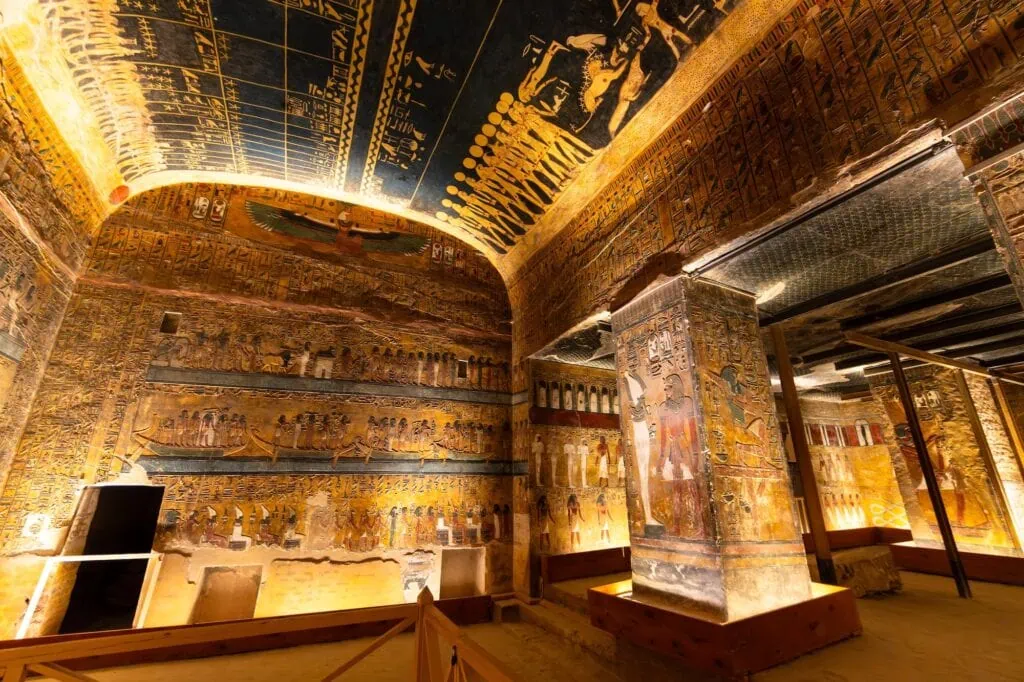
If you step inside the dimly lit, limestone scented burial chambers of the Valley of the Kings, or carefully unroll a beautifully illustrated papyrus scroll of the Book of the Dead you might notice this weirdly profound medical and spiritual reality. Like, not just “religion” in a vague sense, but something concrete. When ancient embalmers prepared a body for eternity they used sharp copper hooks to completely discard the brain and they removed the lungs, liver, stomach and intestines to store them separately in sacred canopic jars.
But then comes the heart, and yeah the rules changed entirely.
The heart was treated with an absolute, unmatched reverence. It was left fully untouched inside the chest cavity, or else they wrapped it securely back into its original anatomical position with protective linen bands. And that choice was not small either.
This is because the Heart symbol was the absolute core of an individual's cosmic existence.
Known phonetically by ancient Egyptian scribes as Ib (or Hat to represent the physical muscle), this icon looked nothing like the stylized symmetrical heart shape we use on Valentine’s Day cards today. Instead, the Egyptian hieroglyph was a remarkably accurate stylized drawing of a real mammalian heart: a rounded pear shaped vase with tiny delicate loops, or projections on the sides to mimic the major branching blood vessels and those auricle like parts.
To the ancient people of the Nile the heart was far more than a simple pump keeping blood in motion. It acted as a multi-layered symbol of human consciousness, memory, absolute truth, moral character, and the eternal seat of the soul. It was the only portion of a person that supposedly held the legal authority to speak directly to the gods, and decide their eternal destiny.
So, let us take a slow detailed look at the physical and psychological blueprint behind this symbol, and its terrifying ultimate trial
1. The Living Center: A Ancient Medical Blueprint
To really get why the heart had that kind of huge psychological grip on the Egyptian mind, you kind of have to zoom in on their surprisingly advanced medical writings, like the well known Ebers Papyrus, (which was written around 1550 BC).
Way before modern science traced out the circulatory system, ancient Egyptian physicians had already made a very noticeable insight. They understood that the heart functioned as the main meeting place for a sprawling web of internal pathways, called Metu, meaning vessels:
Since they watched how a persons pulse quickened or slowed down in a hurry when fear appeared, when joy flared, or even when deep sorrow settled in, they decided the heart was basically the real brain of the body. In their view, you didn’t think with your head at all ; you thought, you loved, you reasoned and you remembered straight inside your chest.
2. The Supreme Trial: The Weighing of the Heart
The deep cultural fixation on the heart’s moral clarity sort of reached its most intense psychological height inside those funerary writings for the afterlife. The Egyptians thought death was not really a stop, but a difficult, high stakes passage that had to pass a last , final spiritual review in the Hall of Two Truths, and it was supervised by the underworld lord, Osiris.
That passage toward a calm, everlasting continuation depended mostly on one profound cosmic equilibrium.
The concluding verdict was decided through a strict, multi step ceremonial chain, like this
1. Placing the Ib on the Scale : Stage 1.
The jackal headed deity Anubis carefully sets the dead person’s physical heart (Ib) on the left pan of a huge, gilded cosmic balance.
2. The Feather of Truth : Stage 2.
On the right side lies the fragile, spotless white feather of Ma’at , standing for absolute cosmic order, truth in the world, justice , and moral equilibrium.
3. The Unforgiving Verdict : Stage 3.
If the heart is light—matching the feather with that perfect balance because the person lived in a decent, dignified way—then the ibis headed writing god Thoth records their rightness and they are admitted into paradise. But if the heart becomes heavy with sins, hunger for more, and hidden lies, the scale tilts, and the monster Ammit consumes it, removing the soul from existence, once and for all.
3. The Silent Shield: The Heart Scarab Amulet
Because the ancient Egyptians knew that human beings are naturally flawed and every now and then do mistakes, they felt this deep, understandable worry about that final judgment. Like, what if your own heart panicked under the intense gaze of Osiris, and started blabbing out all your hidden secrets, your regrets, and your bad choices… all at once, you know?
To prevent this ultimate spiritual betrayal, mummies were always equipped with a highly specialized, extraordinarily powerful amulet called a Heart Scarab, and yes it was a big deal:
The Green Jasper: carved from deep green stones , like jasper or basalt to show the fertile, renewing strength of new growth, this large amulet was set right over the mummy physical heart.
The Magical Spell: etched onto the flat underside of the scarab was a specific magical inscription, taken from Chapter 30B of the Book of the Dead.
This was not seen as cheating, no. It was protective and kind of compassionate magic. By reciting this spell over the green stone, the deceased managed to soothe their physical heart, ensuring it rema
ined completely peaceful, loyal, and silent during the weighing ceremony.



-webp.webp "Hilton")
-webp.webp "dusit")
-webp.webp "Marriott Hotels")
-webp.webp "Azimut Hotel")
-webp.webp "Golden Tulip")
-webp.webp "sheraton")
-webp.webp "westin hotel")
-webp.webp "Movenpick")
