


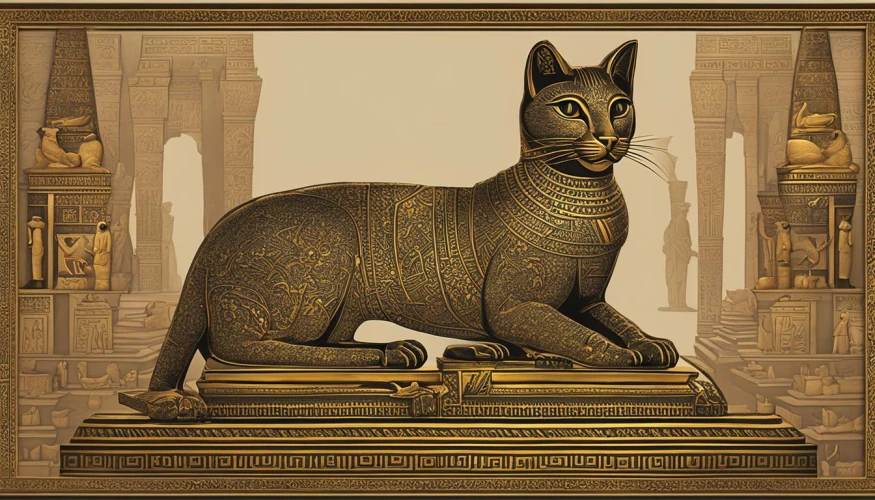
The Ancient Egyptian Cat Symbol: Meanings, the Goddess Bastet, and Feline Family Mummies
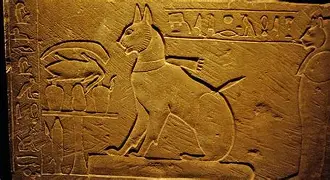
The Divine Feline: Decoding the Cat Symbol in Ancient Egypt
If you step inside any major museum housing Egyptian antiquities, or you scroll through pictures of beautifully detailed tomb paintings from the New Kingdom, you’ll find yourself again and again crossing paths with a familiar graceful silhouette. Curving elegantly beneath the chairs of noblewomen, stretching out sort of lazily on painted papyrus reeds, or cast in shimmering bronze with a proud straight back and long pointed ears, is this domestic marvel.
Known phonetically to ancient scribes as Miu (a lovely, onomatopoeic sort of name that literally mimics that soft “meow” sound the animal makes), the cat was one of the most loved, and deeply respected creatures in the entire Nile Valley. To the ancient Egyptians cats were far more than casual household pets. They were a layered symbol of home protection, feminine poise, extreme fertility, solar light, and fierce divine justice. In other words they managed to walk that narrow line between playful affectionate family companions and deadly, highly skilled protectors of the human dwelling.
Let’s take a slow, detailed look at the practical farming realities that first brought cats into people’s homes, their spectacular evolution into the gentle goddess Bastet, and how their presence can actually make our understanding of ancient daily life feel warmer, a bit clearer too.
1. Protectors of the Granary: How the Partnership Began
To truly understand why the cat later got a level of reverence close to divine, you kind of have to look past the fancy temple altars and sort of zoom in on the practical, messy work of just staying alive in the old world. Egypt was basically an agricultural society , and the whole country depended on storing huge amounts of grain—barley and wheat—inside big mud-brick silos, especially for the winter stretch .
Those enormous , dry storage zones ended up pulling in two very stubborn problems: destructive desert rodents and venomous horned vipers.
The ancient Egyptians, for their part , watched these hunters with an intense kind of gratitude. They figured out that the small African wildcat (Felis lybica) was an astonishing natural guard for their homes. Rather than rushing to trap the animals , or shoving them into “usefulness” in a harsh way, the Egyptians let them linger around their living areas with open-armed friendliness . They brought them fresh fish, milk, and a sense of full safety. Over hundreds of years, this back-and-forth arrangement gradually thickened into something real , like domestication with a deep affectionate bond attached, almost like it wasn’t only about survival, but about companionship too.
2. From Wild Fury to Gentle Grace: Bastet and Sekhmet
As cats became kind of a core thing inside the domestic household, the religious imagination of Egypt started to tangle its own ideas with the personality of that feline, and then with the complex, natures of their most powerful deities. That feline duality was kinda cleanly expressed through two separate, sister goddesses, though not in a straight line always, you know:
Sekhmet (The Lioness): She stood for the raw, scorching heat of the desert sun, plague, military rage, and the terrifying, not-easy-to-control power of a huge feline hunter.
Bastet (The Domestic Cat): She stood for the warm nurturing morning light of the sun, music, dance, family shielding, and that mild playful happiness of the homebound cat.
At first, Bastet was shown more like a fierce lioness, but as years went on, the Egyptians softened the look, so they portrayed her as a beautiful woman with the head of a sleek domestic cat, and she often held a sacred rattle (sistrum) along with a protective shield.
In the end, she was seen as an ultimate protector of the home, of women’s health , and of childbirth. Families also put small clay statues of Bastet by their doorways or near windows, so they could magically absorb bad energy , deter unseen evil spirits, and invite in a warm, peaceful abundance for their household life.
3. Members of the Family: Feline Devotion in Daily Life
The deep bond ancient Egyptians had with their cats went way beyond temple paintings or carved lines. Some historical records suggest cats were viewed as actual , very treasured people in the household kind of, part of the family structure in a real way, not just a casual pet or something.
About the mourning, there’s the well known Greek historian Herodotus who traveled through Egypt and wrote down lots of cultural stuff. He said that when a cherished cat died of natural causes, especially old age, the whole household would fall into very serious, formal grief. People shaved off their own eyebrows , not for show but as a visible sign of personal sorrow , like a ritual that everyone could see.
Then there were the named companions. In a lot of older societies animals were mostly handled like plain farm belongings. In Egypt though cats often received individual personal names. And noble men and noble women would sometimes commission artists to create portraits of their pet cats, with the cats posed confidently under their chairs during big banquet meals. Those images would end up locked in stone , staying there , almost like the friendship itself was preserved for the final resting places to remember them.
4. Journey to Bubastis: The Great Feline Festivals
That whole devotion to the cat, like not just quietly… but really, reached something like its absolute peak in the Late Period, and it kinda coalesced around the bright delta city of Bubastis , the sacred place of Bastet. Every single year, hundreds of thousands of pilgrims drifted in from everywhere across the empire, to join one of the biggest and most cheerful festivals going on in the whole country.
The journey itself, it felt way less like a dark solemn religious thing, and way more like a loud, multi-layered celebration of living presence, music, and people being together. It was a moving festival, almost you could say, a social current.
1. The Riverboat Procession : Phase 1
Masses of men and women squeezed into huge wooden river barges, playing flutes , clattering sacred rattles, and singing these happy songs as they pushed north along the Nile waterways toward Bubastis.
2. The Temple Offerings : Phase 2
When they finally arrived at the lovely temple of Bastet , sitting there surrounded by water, pilgrims offered carefully made bronze cat figures and little clay amulets to the temple priests , as a kind of thanks for their family’s well-being.
3. The Festival of Plenty : Phase 3
The celebration wrapped up with huge shared banquets, music sets, and dancing, all praising the sweet, guarding , and fertile forces that Bastet brings into the material world.
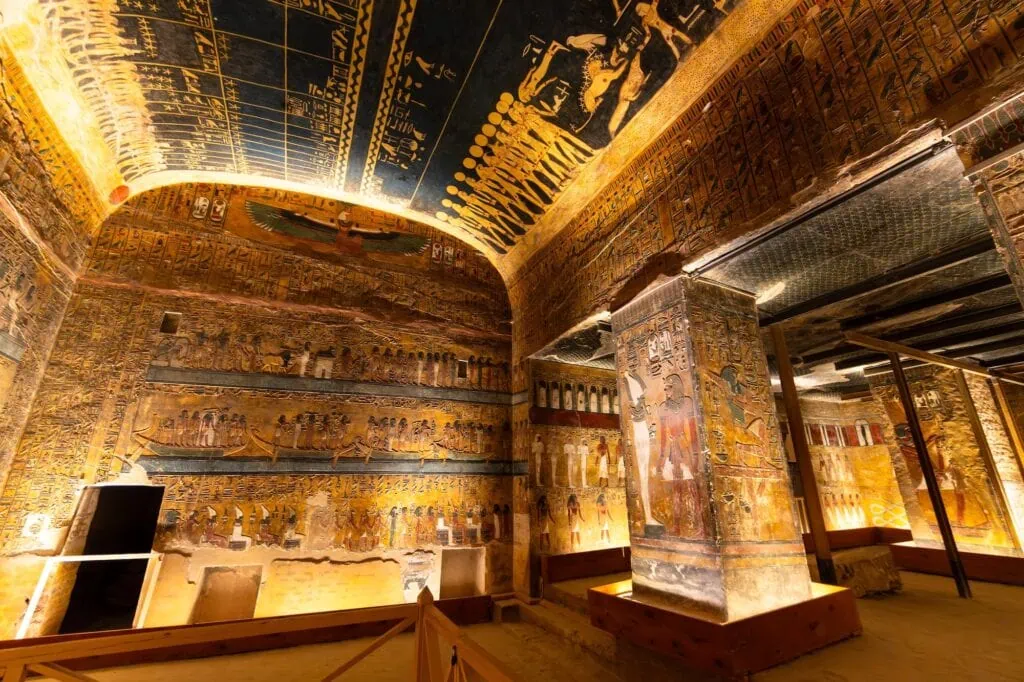



-webp.webp "Hilton")
-webp.webp "dusit")
-webp.webp "Marriott Hotels")
-webp.webp "Azimut Hotel")
-webp.webp "Golden Tulip")
-webp.webp "sheraton")
-webp.webp "westin hotel")
-webp.webp "Movenpick")
