


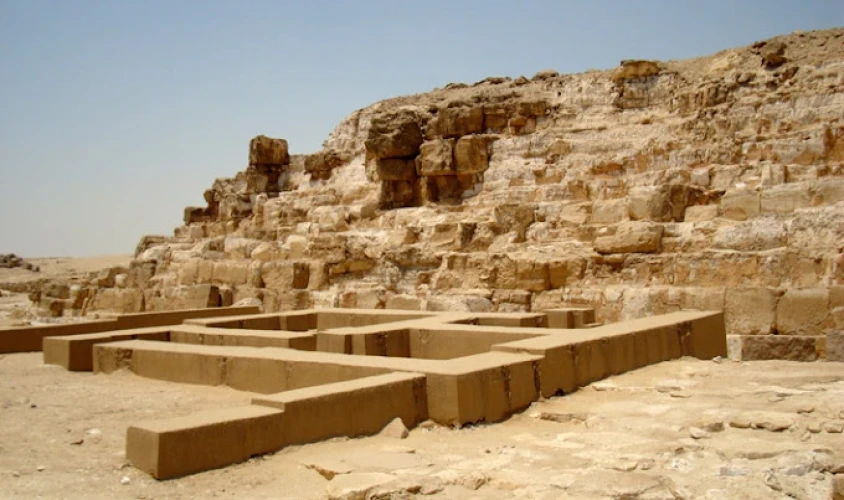
Pyramid of Djedefre
The Pyramid of Djedefre: A Forgotten Monument of Ancient Egypt
The Pyramid of Djedefre is one of the most mysterious and lesser-known pyramids of Ancient Egypt. Built during the 4th Dynasty, this pyramid belonged to Pharaoh Djedefre, the son of King Khufu, the builder of the Great Pyramid of Giza. Unlike most royal pyramids, Djedefre chose a unique location north of the Giza Plateau, giving his monument a distinctive place in Egyptian history.
Today, the Pyramid of Djedefre attracts historians, archaeologists, and travelers interested in discovering hidden chapters of Ancient Egypt beyond the famous pyramids of Giza.
Who Was Pharaoh Djedefre?
Pharaoh Djedefre ruled Egypt around 2566 BC and was one of the successors of King Khufu. He is historically significant for being the first pharaoh to officially adopt the title “Son of Ra,” emphasizing the growing importance of sun worship during the Old Kingdom.
His reign marked a transition in royal ideology, blending traditional pyramid construction with new religious concepts focused on the sun god Ra.
Location of the Pyramid of Djedefre
Unlike other pyramids of the 4th Dynasty, Djedefre built his pyramid at Abu Rawash, located north of the Giza Plateau. This elevated site may have been chosen for its symbolic closeness to the sun or for political and religious reasons.
Although much of the structure was dismantled over time, the original pyramid is believed to have rivaled the Great Pyramid in height, making it one of the most ambitious construction projects of its era.
Architecture and Design
The Pyramid of Djedefre was constructed primarily from limestone blocks, and its internal layout reflected the architectural evolution of pyramid building during the Old Kingdom. Archaeological evidence suggests the pyramid complex included:
-
A mortuary temple
-
Causeways
-
Statues of Pharaoh Djedefre, including some of the earliest royal statues ever discovered
Despite its ruined condition today, the site provides valuable insights into ancient Egyptian engineering and royal burial practices.
Historical Importance of the Pyramid of Djedefre
The Pyramid of Djedefre holds great historical importance due to its religious symbolism and architectural innovations. Djedefre’s emphasis on the solar cult influenced later pharaohs and contributed to the development of sun temples in subsequent dynasties.
For travelers interested in off-the-beaten-path destinations, the Pyramid of Djedefre offers a unique opportunity to explore a less crowded yet historically rich site near Cairo.




-webp.webp "Hilton")
-webp.webp "dusit")
-webp.webp "Marriott Hotels")
-webp.webp "Azimut Hotel")
-webp.webp "Golden Tulip")
-webp.webp "sheraton")
-webp.webp "westin hotel")
-webp.webp "Movenpick")