


-webp.webp)
Is It Safe to Visit Egypt? Solo Female Advice, Tourist Scams, and Safe Zones
Beyond the Headlines: Is Egypt Safe for Travelers in 2026?
When you tell your family or friends that you are planning a trip to Egypt, their immediate reaction is usually some kind of awe, but also anxiety. Like, they really might love the idea of you wandering through ancient temples and drifting along the historic Nile River, but then the very next thing they ask is almost always a concerned one: “But wait, is Egypt actually safe to visit right now?”
Honestly, it is a fair question. It’s responsible too, because traveling around the world needs that clear-eyed awareness of what’s going on where you’re going.
The reality, in a plain and simple way, is that Egypt is generally a safe destination for international tourists right now, as long as you use basic travel common sense and you follow official local guidance. Every year millions of people visit, and most of them end up with the same story: incredible hospitality, amazing, awe-inspiring sights and yes, a warm welcome. Still, as with any big travel hotspot, Egypt has its own set of cultural rules, regional dynamics, and some everyday street inconveniences that you should understand, so your trip stays easy and smooth.
So let’s go step by step, not rushed, and look at safety on the ground—covering government security measures, the most common street scams and the kinds of experiences solo female travelers often report.
1. Visible Security: The Framework of Protection
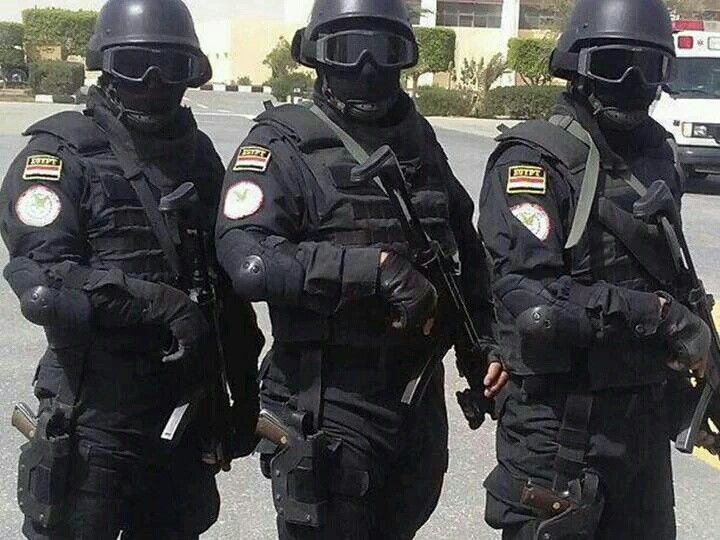
The first thing that kinda surprises many travelers when they touch down in Cairo or Luxor is this heavy, very visible presence of security personnel. For the Egyptian government, safeguarding tourism is not just a routine thing, it is a matter of vital national interest .
Because of that priority, there is a dedicated and highly specialized branch of law enforcement that exists, mainly, to protect your whole trip: the Tourism and Antiquities Police.
Now, seeing armed officers and security gates everywhere can feel a little intense, or even slightly intimidating at first. Still, you will soon notice that it somehow gives you a deep sense of reassurance. They are not around because danger is lurking around every corner… no, not like that. They are there as a proactive barrier, so your historical explorations stay calm and completely peaceful.
2. Street Safety vs. Street Scams: Knowing the Difference
When people go through a stressful experience in Egypt, it is almost never because of violent crime. Violent crime towards foreign travelers is extraordinarily rare in this country. Instead, the #1 source of annoyance for tourists is street hassle and pushy sales tactics, mostly around major historical monuments, and such.
Getting the hang of the difference between a real safety threat and a constant vendor is kind of the hidden key to having a trip that actually feels fun, not tense.
3. Solo Female Travel: Navigating the Cultural Landscape
Yes a woman can absolutely travel solo through Egypt. Literally thousands of independent female travelers do it, month after month, and most of the time it goes fine. Still, it is smart to stay realistic, because solo female travel in Egypt really asks for a thicker skin and more constant situational awareness than, say, Western Europe or parts of Southeast Asia.
Egypt is also a traditional, deeply patriarchal society, so solo women will often get persistent verbal attention. This can show up as catcalling, staring, or those oddly overly friendly comments from local men, usually right on the street and sometimes even when you are just passing by.
To reduce the unwanted attention, and to keep your days feeling comfortable and not tense, solo travelers often follow a few cultural protocols that work, again and again:
Dress Modestly: If you want the easiest baseline, respect local customs by covering shoulders, chest, and knees while you walk in public city areas. Loose, breathable linen garments help a lot for the heat, and they also make it simpler to stay low-profile.
The power of “Laa, Shukran”: If a vendor or a stranger is pushing past your personal space, you do not have to keep smiling like everything is fine. Make eye contact, say a clear “Laa, Shukran” (No thank you) , then keep moving with purpose—preferably toward a busier, more crowded area.
Use female-only carriage zones: When you ride the Cairo Metro, use the designated women-only cars, they are placed in the middle section of the train. This small choice can make the commute feel way more relaxed and hassle-free.
4. Where to Explore Safely (and Where to Avoid)
Egypt is a pretty massive country, and the safety situation honestly can shift a lot, depending on where in the country you’re going to move around. Luckily, 99% of the country’s recognizable historical landmarks and seaside highlights are sitting entirely inside secure, well-managed travel corridors.
If you want a safe, sensible route, it works best to keep to a rigid sequence of approved geographic sectors, like this, sort of.
1. The Main Historical Axis: Sector 1
Try to keep your main plan locked in the protected Nile Valley lane only: Cairo, Giza, Alexandria, Luxor, and Aswan. These places are already built for international tourism , and they have the highest concentration of security infrastructure in the whole country.
2. The Red Sea Resorts: Sector 2
For swim time, diving, and just calm downtime, pick coastal destinations like Sharm El Sheikh, Hurghada, Dahab, and El Gouna. They’re generally safe, tranquil, and they keep a laid-back international vibe that feels miles away from the usual city noise.
3. The Restricted Zones: Sector 3
Don’t go into the North Sinai Governorate, and also avoid going far into the mostly unoccupied stretches of land near the far western border toward Libya. Those remote areas are restricted military zones, where the Egyptian government blocks independent tourist exploration, for safety reasons.


-webp.webp "Hilton")
-webp.webp "dusit")
-webp.webp "Marriott Hotels")
-webp.webp "Azimut Hotel")
-webp.webp "Golden Tulip")
-webp.webp "sheraton")
-webp.webp "westin hotel")
-webp.webp "Movenpick")