


How to Spend 7 Days in Egypt Without Getting Exhausted
The biggest mistake travelers make in Egypt is trying to "conquer" the history. With over 5,000 years of civilization, "temple burnout" is a legitimate travel hazard. By the third day of staring at hieroglyphics in 35°C heat, even the most enthusiastic history buff can find their eyes glazing over.
If you have seven days, the secret to staying refreshed is a high-low strategy: high-intensity, expert-led mornings followed by low-energy, indulgent afternoons. This isn't just about seeing Egypt; it’s about absorbing it without the exhaustion that typically plagues a one-week itinerary.
The "Anti-Exhaustion" 7-Day Blueprint (2026/2027 Season)
Day 1: The Soft Landing in Cairo
Most travelers hit the ground running, which is the first step toward burnout. Instead, treat Day 1 as a "buffer."
-
The Arrival: Arrive at Cairo International Airport and use a pre-arranged private transfer to bypass the taxi hustle.
-
The Stay: Check into a hotel with a direct Pyramid view, such as the Marriott Mena House or the boutique Sultan Pyramids View.
-
The Pace: Do absolutely nothing but sit on your balcony with a hibiscus tea or a cold Stella beer. Watch the sun set over the Great Pyramid. You are "seeing" one of the Seven Wonders without walking a single mile. This mental grounding is vital for the days ahead.
Day 2: The Icons at Dawn
To beat the heat and the 2026 crowds, you must embrace the early start—but balance it with a "hard stop" at noon.
-
08:00 AM: Visit the Giza Plateau. With a private guide, you can navigate the Sphinx and the Great Pyramid efficiently.
-
11:30 AM: When the tour buses arrive and the sun hits its peak, retreat. Head back to your hotel for a long, shaded lunch or a swim.
-
Late Afternoon: Visit the Grand Egyptian Museum (GEM). By 2026, this billion-dollar facility is the centerpiece of Cairo. Because it is climate-controlled and modern, it feels less draining than the dusty, older sites. Spend two hours marveling at Tutankhamun’s treasures, then return for a quiet dinner.
Day 3: Transition to the River
Fly from Cairo to Luxor. To avoid exhaustion, book a mid-morning flight rather than the 4:00 AM "commuter" hop.
-
The Boarding: Check into your Dahabiya (a traditional luxury sailboat). In the 2026 season, boats like the Storia or Nile Seray offer the ultimate "Slow Travel" experience.
-
The Vibe: Unlike large motor ships that carry 150 people, a Dahabiya carries 12. You’ll have lunch on the deck as the boat gently unties and begins its drift south. The afternoon is spent lounging on daybeds, watching the greenery of the Nile banks glide by.
Day 4: The West Bank "Quality Over Quantity"
Luxor’s West Bank is a treasure trove, but trying to see it all is a recipe for a meltdown.
-
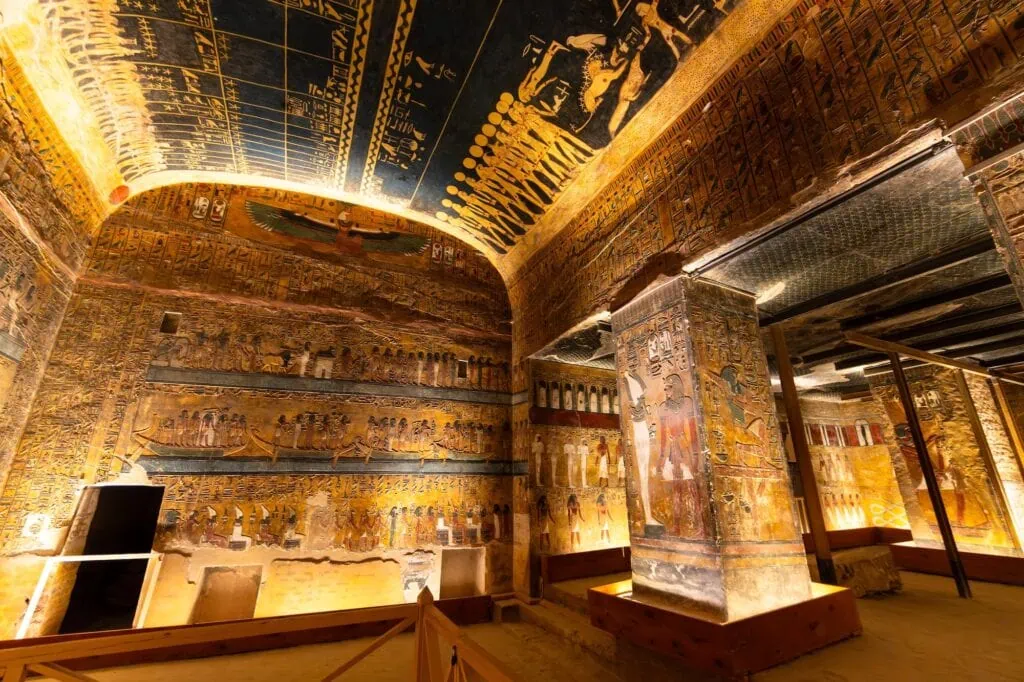
The Morning: Visit the Valley of the Kings. The Strategy: Do not buy tickets for every tomb. Work with your Egyptologist to select the three most vibrant ones (and perhaps the extra-ticket tomb of Seti I).
-
The "Hard Stop": After visiting the Mortuary Temple of Hatshepsut, head back to the boat. Skip the Colossi of Memnon photo-stop if you're feeling tired; you can see them from the road.
-
Afternoon: Sail toward Esna. This is your "Zero Day." Use the onboard library, nap, or simply watch the water. No temples, no vendors, just the rhythm of the river.
Day 5: Hidden Gems & Sandbank Dinners
Because you are on a small boat, you can dock at places the mega-ships can't reach.
-
The Site: Visit Gebel el-Silsila, an ancient sandstone quarry. It’s quiet, shaded, and far less crowded than the main temples.
-
The Experience: Many Dahabiyas in 2026 arrange a private sandbank dinner. You’ll eat under the stars with a bonfire and traditional music. This is the "soul" of Egypt—it’s atmospheric rather than academic.
Day 6: Aswan "Zen" & The Felucca
Aswan is the most relaxed city in Egypt. It’s where the desert meets the granite rocks of the Nile.
-
The Morning: Take a motorboat to the Philae Temple. Located on an island, the breeze off the water makes this temple feel significantly cooler and more romantic than the land-locked sites.
-
The Afternoon: Hire a private felucca (traditional sailboat) for a sunset sail around Elephantine Island. There is no motor—just the sound of the wind and the water. It is arguably the most peaceful hour you will have in Egypt.
Day 7: The Grand Finale & High Tea
You have a choice for your final day: Abu Simbel or total relaxation.
-
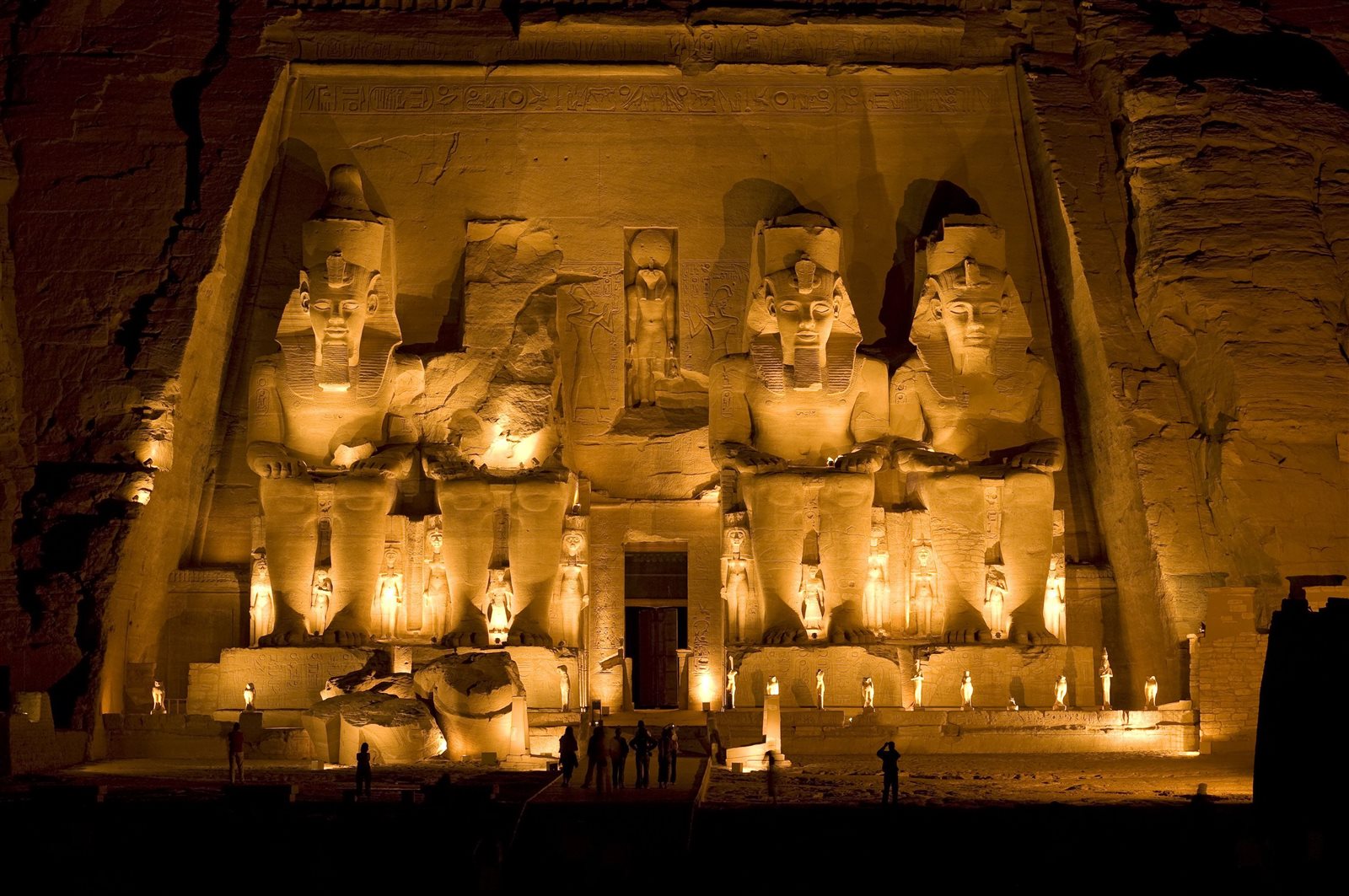
Option A (The Push): Take the short flight to Abu Simbel. It is a masterpiece of engineering, but it involves an early start.
-
Option B (The Relax): Stay in Aswan. Spend the morning at the Old Cataract Hotel—where Agatha Christie wrote Death on the Nile. Enjoy their legendary high tea on the terrace overlooking the river.
-
The Departure: Take an evening flight back to Cairo for your international connection, feeling rested rather than ragged.
3 Pillars of 2026 "Slow Travel" in Egypt
1. The "12:00 PM Rule"
The Egyptian sun is your primary source of fatigue. Between 12:00 PM and 3:30 PM, you should be indoors, in a pool, or on a shaded deck. This is the "Golden Hour" for napping. By avoiding the midday heat, you double your stamina for the evening.
2. The Private Egyptologist Advantage
Group tours move at the pace of the slowest person. A private guide works for you. If you find yourself fascinated by one specific relief at Karnak, you can stay there for 30 minutes. If you find a particular tomb "creepy" or overwhelming, you can leave after five. This autonomy reduces the mental stress of "keeping up."
3. The "One Major Site" Daily Limit
The human brain can only process so much ancient majesty before it shuts down. Limit yourself to one major archaeological complex per day.
-
Example: If you see the Pyramids in the morning, don't do the Egyptian Museum in the afternoon. Do one of them the next day.
Comparison: Exhausting vs. Balanced Itinerary
| Feature | The "Exhausting" Way | The "Balanced" Way |
| Vessel | 150-Passenger Motor Ship | Boutique Dahabiya (12 guests) |
| Pacing | 3 Temples per day | 1 Major Temple per day |
| Morning | 4:00 AM Wake-up calls | 7:30 AM Leisurely Breakfast |
| Midday | Crowded bus transfers | Shaded deck napping / Swimming |
| Dining | Large, loud buffets | A la Carte / Sandbank BBQs |
The Human Side of the Journey: Egypt is a land of intense sensory input. The sights are loud, the history is heavy, and the sun is bright. By intentionally building "nothingness" into your 7-day schedule, you aren't missing out; you are actually giving yourself the space to remember what you’ve seen.




-webp.webp "Hilton")
-webp.webp "dusit")
-webp.webp "Marriott Hotels")
-webp.webp "Azimut Hotel")
-webp.webp "Golden Tulip")
-webp.webp "sheraton")
-webp.webp "westin hotel")
-webp.webp "Movenpick")