


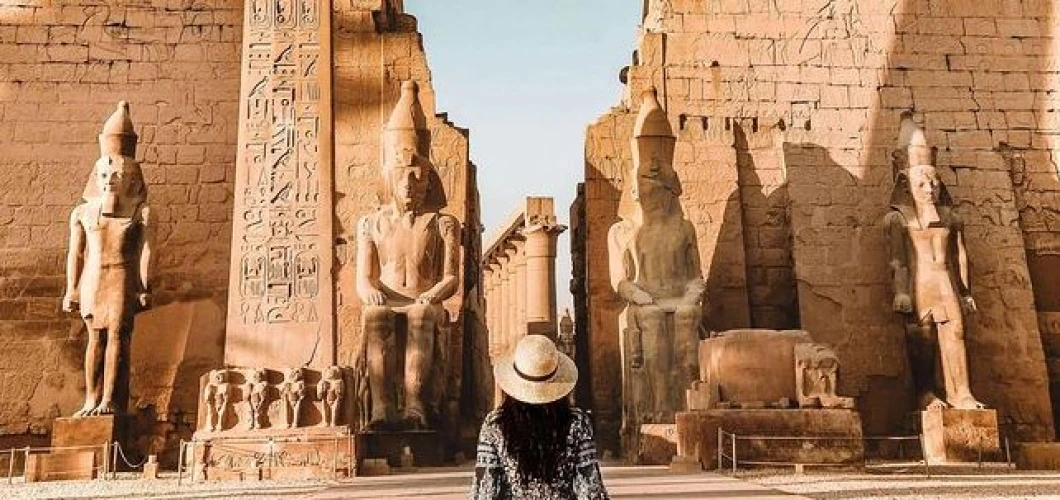
How Much Does a Trip to Egypt Cost?
The Rhythm of the Nile: A Human Guide to budgeting for Egypt
There is a specific kind of sensory overload that hits you the moment you step out of Cairo International Airport. The air is warm thick with the scent of roasting spices, exhaust and history, and the soundscape is a symphony of blaring car horns that somehow function like a complex, not really written language. To the uninitiated, it looks like pure chaos, yeah, but if you just sit back take a deep breath, and watch closely you realize it is actually a beautifully choreographed dance.
Planning a trip to Egypt needs kind of the same mindset. On paper, the numbers of traveling here don’t seem to make sense. It is the sort of place where you can grab a massive, filling breakfast for less than the price of a newspaper back home yet you’ll pay Western museum rates just to step onto the sand where ancient kings are entombed.
Because of recent economic shifts and currency devaluations, Egypt stays one of the world’s ultimate high-value destinations. Your money stretches incredibly far, but only if you get the way the local ecosystem functions. So if you’re trying to figure out what a 10-day adventure will really cost, to your wallet and your sanity, let’s move beyond those sterile spreadsheets and look at the real human expense of wandering through the land of the Pharaohs.
Setting the Stage : What kind of traveler are you, really?
Before you even glance at the prices, you kinda need to look in the mirror first. Egypt will go along with whatever budget you toss at it, but the actual feel changes a lot depending on how much discomfort you can handle. And if we skip international airfare, your 10-day stay usually lands in one of three lanes.
For the shoestring traveler, a 10-day trip may come in around $400 to $600 . You’ll be using the Cairo Metro, eating plenty of local fava beans (ful), and sleeping in older, tall-ceilinged budget guesthouses around Downtown Cairo. It’s gritty, but it’s very real too, not just some shiny postcard version.
For the curious explorer, which is often where most people land, you’re typically thinking $1,200 to $2,200 for 10 days. Here you get privacy, air conditioning, reliable local drivers, a well-known Nile cruise, and a bed that feels like a lifesaver after wandering for miles through dusty temples.
For the modern pharaoh, the sky is kind of the deal. At $3,500 to $6,000+, you’re basically buying insulation from the chaotic outside world: private airport transfers that sidestep terminal lines, five-star luxury resorts, and special, exclusive access to monuments.
The real, true cost of sleep: from back alleys to balconies
Staying in Egypt is somehow one of those deals that feels unreal. Like, if you are traveling on a thin budget, the little guesthouses and hostels tucked in downtown Cairo, or along the West Bank in Luxor, can be deeply charming, even if it’s a bit chaotic. For maybe $15 to $25 per night you usually get a tidy room, often on a rooftop where you can sip tea at night, and the kind of local contact that ends up saving you money. Someone local will straight up explain what a taxi should cost, so you do not get pushed around, not really.
Then when you go up to the mid-range tier ($60 to $130 a night), suddenly your budget buys you “comfort + scenery.” In Giza there are a lot of small, locally run boutique hotels where breakfast happens on a rooftop terrace, right there, with the Sphinx watching too. And in a place like Luxor, that middle level often means a gorgeous room in a hotel with a swimming pool sitting along the Nile’s edge. It’s basically a lifesaver when the afternoon warmth gets intense.
If you decide to really indulge, like $250 to $500+ per night, you are paying for a kind of living heritage. Walking into the Winter Palace in Luxor, or the Old Cataract in Aswan, feels like you’ve slipped back into the 1920s. Everything is smooth, service is spotless, the gardens are manicured little oases away from street noise, and the guest books… well, they are signed by world leaders, plus those literary legends you read about.
Sights and Tickets: The expense You can’t skip
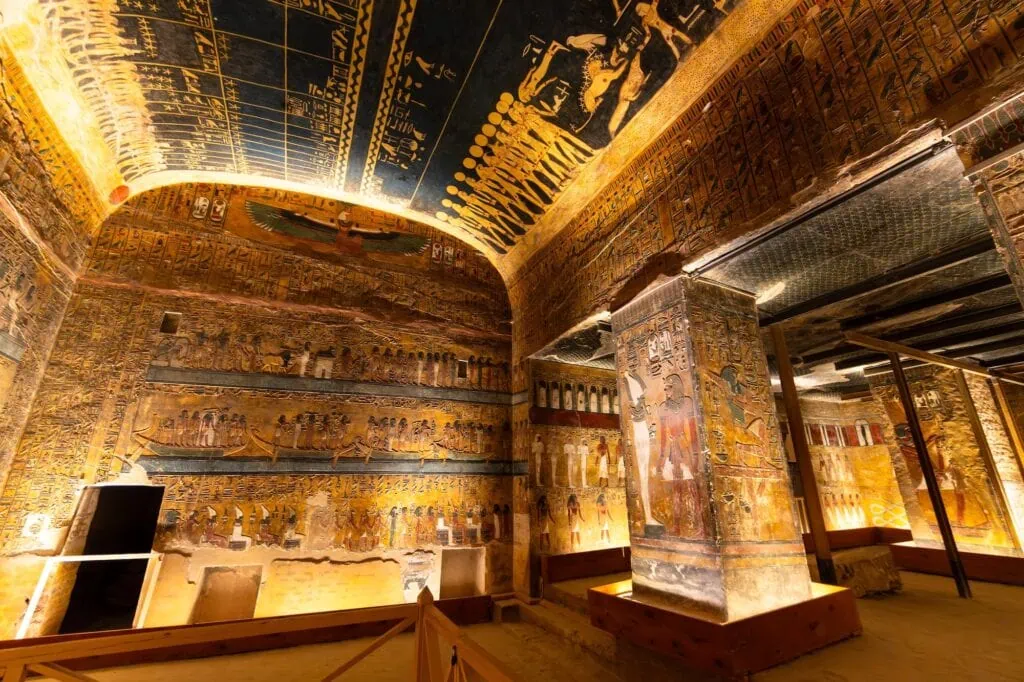
So here’s where a lot of travelers sort of get caught off guard, Egypt’s old, ancient history is kind of a premium thing. Food and lodging feel incredibly cheap though, but entry fees for the big archaeological spots are set by the government and you have to pay them by card. If your plan is to see the real highlights, then ticket costs will probably end up being your second biggest expense, after where you sleep. The big names: Going into the Giza Plateau costs roughly $15. But if you also want the bragging rights of going down those narrow, damp shafts into the actual core of the Great Pyramid, you’ll need a separate ticket for about $31. The less obvious wonders: In Luxor’s Valley of the Kings, a standard ticket ($13) lets you enter three incredible tombs. Still, the most energetic, mind-blowing tomb in the whole valley—the resting place tied to Queen Nefertiti, in the Valley of the Queens—needs a special VIP ticket, usually around $40 to $50. If you’re a history enthusiast and you intend to spend days walking through every temple and museum, plan for at least $200 to $300, just for admission gates.
The Cultural Currency: Baksheesh and Connection
You cannot quite understand a budget in Egypt without getting Baksheesh, because it is kinda like tipping, but also, it’s way more tangled into everyday life than people expect. It sits in the social fabric in such a direct way that even when you try to keep it “simple” you still feel it. And since the local economy has been squeezed by inflation, regular workers, from hotel housekeepers to temple guards, tend to depend on traveler generosity to keep going.
For budgeting, think roughly $5 to $10 a day, for casual tipping. Keep a small stash of bills, like actually in your pocket, so you can hand them out fast. You’ll probably offer a few pounds to the guy who brings you a paper towel in a public restroom, to the driver who takes care of your bags, and to the boatman ferrying you across the river.
For guides and private drivers the usual expectation is more like $20 to $30 per day, especially for an excellent Egyptologist. Try to look at it not as this annoying extra payment, but more as a clean route so your money lands squarely with the local community, rather than somewhere abstract or distant.
The bottom line is, Egypt is not one of those places where you should pinch every last penny so hard it hurts. The real magic shows up when you loosen your grip on perfection, accept that a vendor might earn a small extra dollar on a souvenir scarf, and just let yourself enjoy the whole ride. Whether you end up spending $500 or $5,000, the sun sets the exact same way over the Sahara, coloring those old stones with gold and rose tones, that no amount of money could ever really purchase.



-webp.webp "Hilton")
-webp.webp "dusit")
-webp.webp "Marriott Hotels")
-webp.webp "Azimut Hotel")
-webp.webp "Golden Tulip")
-webp.webp "sheraton")
-webp.webp "westin hotel")
-webp.webp "Movenpick")