


Health tips for traveling to Egypt
Egypt is an incredible sensory experience, but it can be a bit of a shock to the system. Between the intense Saharan sun, the dry desert air, and a food scene that is as tempting as it is different from what you're likely used to, your body has to work a little harder to keep up.
In 2026, healthcare in major hubs like Cairo, Hurghada, and Sharm El Sheikh is excellent, with many English-speaking doctors and modern pharmacies on every corner. However, the best trip is the one where you never have to see a doctor at all. Here is the "real-talk" guide on how to stay in top shape while exploring the Land of the Pharaohs.
The Water Rule: Your Number One Defense
If there is only one health tip you follow, let it be this: Do not drink the tap water. Even though it is heavily treated in cities like Cairo, the mineral content and bacterial balance are different from what your gut is used to.
Bottled is Best: Stick to bottled water for drinking. It is cheap and available everywhere. Check that the seal is intact when you buy it.
Brushing Your Teeth: Most travelers are fine using tap water to brush, but if you have a particularly sensitive stomach, use bottled water for this too.
Ice and Salads: In established hotels and tourist restaurants, ice is usually made from filtered water. However, at street stalls or smaller local cafes, it’s safer to skip the ice and avoid salads that might have been rinsed in tap water. Stick to "peelable" fruits (like bananas or oranges) and hot, cooked food.
Managing "Pharaoh’s Revenge"
Almost every traveler worries about the dreaded stomach bug. While it’s common, it’s usually not serious—just your body’s way of adjusting to new spices and oil.
Eat Where the Crowd Is: If a local street food stall has a long line and a high turnover of people, the food is likely fresh.
Wash Your Hands Constantly: Egyptian cash is notorious for being "well-traveled." Carry a small bottle of hand sanitizer and use it before every meal, especially after handling money or touching surfaces in public transport.
The Pharmacy is Your Friend: Egyptian pharmacists are highly trained and can prescribe most things on the spot. If you feel the "rumblings" starting, look for a pharmacy (marked with a green cross) and ask for "Antinal". It is the local "miracle drug" for stomach issues and works much better than many Western alternatives.
Respect the Saharan Sun
The heat in Egypt, especially in Luxor and Aswan, is a "dry heat," which means you won't always feel yourself sweating. This makes it very easy to get dehydrated without realizing it.
Hydrate Beyond Thirst: By the time you feel thirsty, you’re already slightly dehydrated. Sip water throughout the day.
Electrolytes are Key: If you’re spending all day at the Pyramids or the Valley of the Kings, plain water might not be enough. Pack a few sachets of rehydration salts (like Dioralyte) to mix into your water to keep your mineral levels up.
The "Shadow" Strategy: Walk in the shade whenever possible. If you’re at a temple, take breaks in the shadow of the massive columns. Wear a wide-brimmed hat and high-SPF sunscreen—reapply it more often than you think you need to.
Dust and Respiratory Health
Cairo can be a dusty and sometimes smoggy city. If you have asthma or sensitive sinuses, the air quality can be a challenge.
Nasal Spray: A simple saline nasal spray can help keep your sinuses clear of desert dust.
The Scarf Multi-Tool: Use your pashmina or a light scarf to cover your nose and mouth if you find yourself in a particularly dusty area or during a "Khamasin" (sandstorm) event.
Mosquitoes and the Red Sea
While Egypt is not a high-risk area for malaria, mosquitoes can still be a nuisance, especially near the Nile or in the evening.
Repellent: Bring a good mosquito repellent for sunset felucca rides or outdoor dinners.
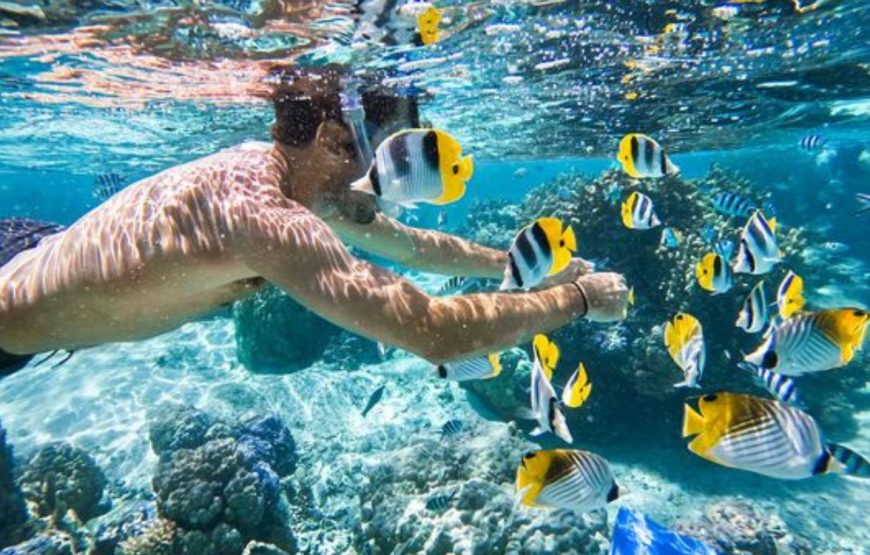
Coral Safety: If you’re snorkeling in the Red Sea, don't touch the coral. Not only is it illegal and harmful to the environment, but many types of coral and sea urchins can give you a painful sting or scrape that gets infected easily in the heat.
Take Care
Listen to your body. Egypt is high-energy, and it’s tempting to try and see "everything" in three days. Fatigue makes you more susceptible to getting sick. If you’re feeling wiped out, take an afternoon off to nap in the AC or sit by the pool.
Pack a small first-aid kit with the basics: Band-Aids, antiseptic cream, some Ibuprofen, and a pack of rehydration salts. Having these on hand saves you a trip to the pharmacy when you’d rather be watching the sunset over the Nile!



-webp.webp "Hilton")
-webp.webp "dusit")
-webp.webp "Marriott Hotels")
-webp.webp "Azimut Hotel")
-webp.webp "Golden Tulip")
-webp.webp "sheraton")
-webp.webp "westin hotel")
-webp.webp "Movenpick")
