

First-Time Egypt Travel: Crucial Things I Wish I Knew Before My Trip
.webp)
Things I Wish I Knew Before Traveling to Egypt: A Realist’s Guide
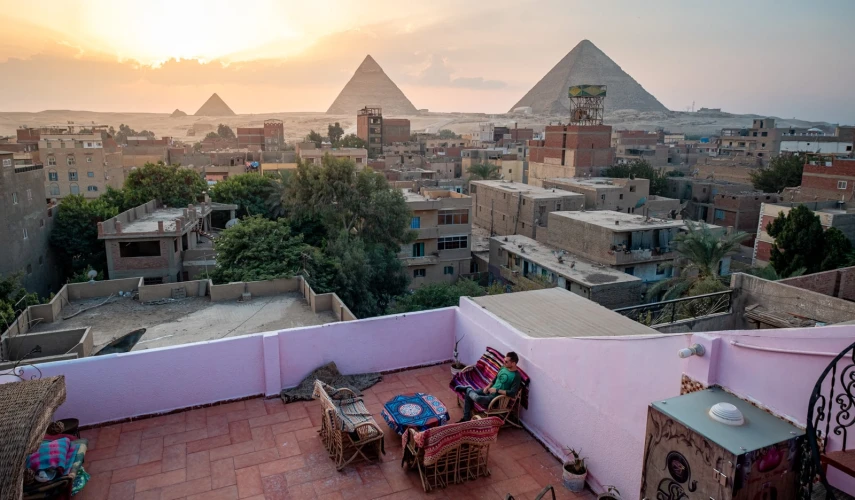
There is a moment, right as your plane tilts over Cairo, when the modern city kinda just… gives way to the golden edges of the Sahara Desert. If you squint through the haze, you can grab your very first hint of the Giza Pyramids sitting quietly on the horizon. It’s the kind of view that instantly sends a shiver right down your spine.
But then once you touch down, real life hits , really fast. Egypt is not some passive museum, it is a living, breathing kind of, high-energy experience. The streets of Cairo are an absolute orchestra of car horns, the desert sun is intensely hot. and the historical treasures are endless.
To help you sidestep that stressful learning curve and basically jump straight into the magic, here is a little set of the most critical things I wish I knew before landing in Egypt. These practical, no-BS tips should help you move through local culture, logistics, and the daily pace like you’ve done it a hundred times already.
1. The Ticket Booths are 100% Cashless
For decades, the golden rule of Egyptian travel was kinda to bring a huge roll of paper cash, to buy entry tickets at historic sites. And if you lean on older guidebooks, you might still think that, like it’s still the same deal.
But here’s the reality: the Egyptian Ministry of Tourism has actually finished a shift toward 100% cashless ticket windows at almost every big archaeological place.
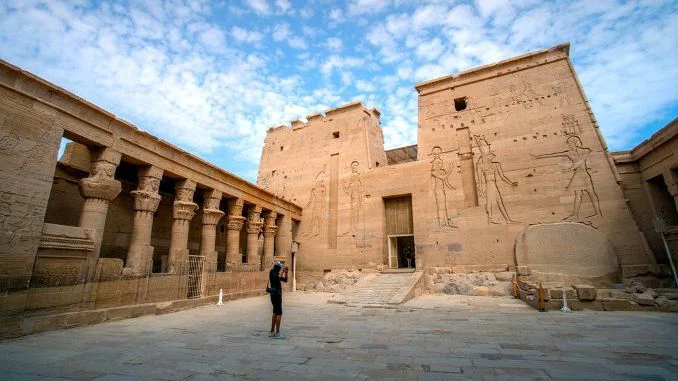
So from the Giza Pyramids, to the Valley of the Kings, and even the Egyptian Museum, the ticket windows don’t take physical cash anymore. If you don’t have a physical international credit or debit card (Visa and Mastercard are the safest), you’ll basically be stopped right at the entrance.
Make sure your cards are active for international payments, tell your bank before you fly, and carry a spare card you keep in a safe spot in your hotel room, just in case something goes wrong.
2. Cash is Still King for Daily Life (The "Baksheesh" Culture)
While monument tickets require a card, daily life in Egypt runs mostly on cash, plus, tipping really. People there call it Baksheesh.
Tipping is not only “thanks” for exceptional service; it’s more like a social deal that’s been in place for ages, and it helps local service workers top up their earnings. You’ll want small bills for hotel porters, for drivers, for bathroom attendants, and even for boat captains.
When you pull cash from an ATM, you’ll usually come away with big 100 and 200 EGP Egyptian Pound notes. Problem is, local vendors and drivers often do n’t have the change to work with those.
So, make it a habit to break your larger bills in high-end cafes or right in hotel lobbies. Keep a thick little stack of 10, 20, and 50 EGP notes in a pocket that’s easy to reach, but keep it separate from your main wallet. That way you can tip fast, and quietly, without having to take out all your cash at once.
3. "La, Shukran" and the Power of Confident Silence
The hustle (shesh) around big tourist spots like the Sphinx, or the Luxor East Bank is, honestly, ridiculously intense. You get approached over and over, by the persistent souvenir crowd, carriage drivers, and camel owners too. Like all at once, and not really in a calm way.
A lot of travelers end up doing this polite, apologetic talk thing, just from courtesy. But in Egypt, any back and forth is kinda read as a green light, like an invitation to bargain. So even if you mean well, it can still set the tone.
The best path through it is kind of embarrassingly easy—really just:
Do quick eye contact, nothing dramatic.
Say “La, Shukran” (Arabic for “No, thank you”) with a calm but firm smile.
Put your right hand over your heart (a traditional Middle Eastern sign that means polite refusal).
Keep moving , don’t stop.
Stay steady, and don’t get that guilty feeling. It’s just part of the local transactional rhythm, and a confident, polite no is respected.
4. Dress Comfortably but Conservatively
Egypt is a conservative, mostly Muslim country. So yeah, places like Hurghada or Sharm El Sheikh feel pretty laid back, but if you walk around Cairo streets,see historic mosques, or browse local markets, you’ll want to think a bit about what you wear, especially in all that desert heat.
If you want to show cultural respect and also stay comfortable, bring loose, breathable materials:
For Men: long trousers or jeans, and polo shirts or t-shirts. Try to avoid short athletic shorts when you’re exploring the cities, it can feel a bit too casual.
For Women: flowing maxi dresses, linen pants, and tops that cover your shoulders and chest. Having a light cotton scarf, in your day bag , helps a lot if you need to cover your head when you enter more active mosques, and it’s just easier than trying to improvise.
5. Never Drink the Tap Water
In Egypt, it’s basically a rule you can not get around, don’t drink the tap water, also don’t use it for brushing your teeth, even if it looks clean.
Bottled water is very affordable and it’s everywhere. When you eat out, skip any drink that has ice, unless you’re in a high-end hotel that runs its own water filtration system, and then stick to cooked foods or fruit you can peel your self, like bananas or oranges.
Also pack a small medical bag from home with hydration or electrolyte powders, plus stomach remedies your doctor recommends, because sometimes your digestive system needs a day or two to settle with the local cuisine and then you feel it.
6. Secure Your Bookings Using Encrypted Platforms
Coordinating flights, Nile cruises, private regional drivers across Egypt can be kinda administratively complex, so a lot of travelers end up booking custom packages through local boutique agencies.
When you are arranging those higher value details from home , make sure the booking agency uses really secure, bank-grade payment portals. Try to find platforms that route transactions via WeTravel or through payment gateways that are powered by Stripe.
These systems rely on certified PCI-DSS Level 1 encryption, so they tokenize your credit card and banking details safely. In practice, this keeps your financial info invisible to the external sales staff and fully shielded from cyber risks, letting you pay deposits or handle installment plans without interest with real peace of mind.



-webp.webp "Hilton")
-webp.webp "dusit")
-webp.webp "Marriott Hotels")
-webp.webp "Azimut Hotel")
-webp.webp "Golden Tulip")
-webp.webp "sheraton")
-webp.webp "westin hotel")
-webp.webp "Movenpick")