


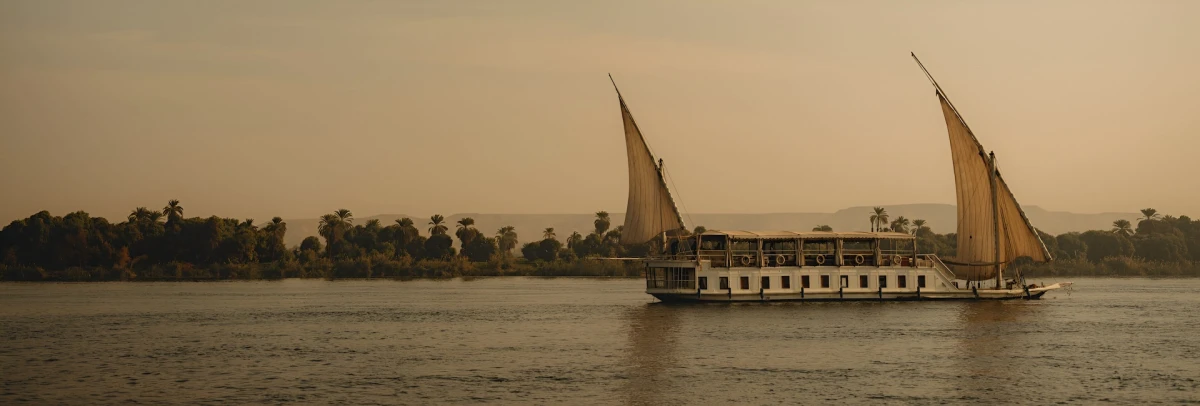
Dahabiya vs Nile Cruise: Key Differences
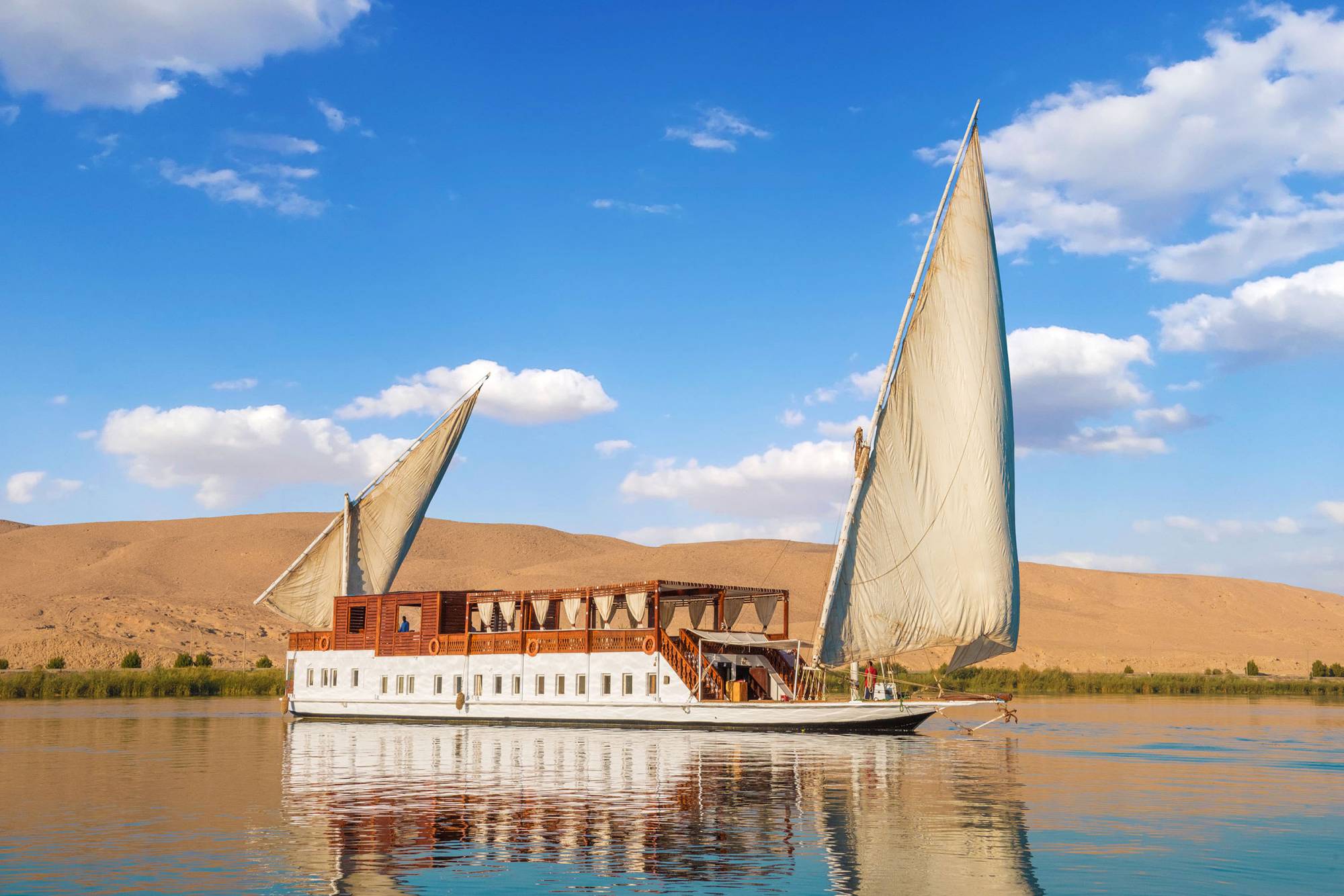
Dahabiya vs Nile Cruise: What’s the Difference?
The Nile River serves as a main attraction for tourists who visit Egypt because it delivers one of the country's most famous travel experiences. The route between Luxor and Aswan offers breathtaking scenery, including ancient temples, timeless villages, and dramatic desert landscapes.
Travelers have two primary options: a traditional Nile cruise ship or a Dahabiya, a smaller, more intimate sailboat. The two travel methods share the same route while visiting important historical sites, but they create different travel experiences for passengers.
The traditional Nile voyage is alive with more social entertainment activities on board, replete with modern facilities, more crew members, rapid movements suitable for guests wanting a structured program and group activity. The Dahabiya again offers a slow-motion, relaxed, and private Nile trip. Its small size allows its guests to enjoy the less-visited parts along the river, giving them a sense of peace and comfort. The slow speed allows the traveler to absorb the surroundings and feel the whole Nile on a laid-back pace.
Your choice would be determined by your styling of that voyage, whereas there are many little things to enjoy. Its bigger cousin, a Dahabiya boat, is geared for musing, peace; thus, a smallish, more tablet-bound audience comes this semblance in contrast with large companies of the more boisterous Nassr cruise.
What Is a Nile Cruise?
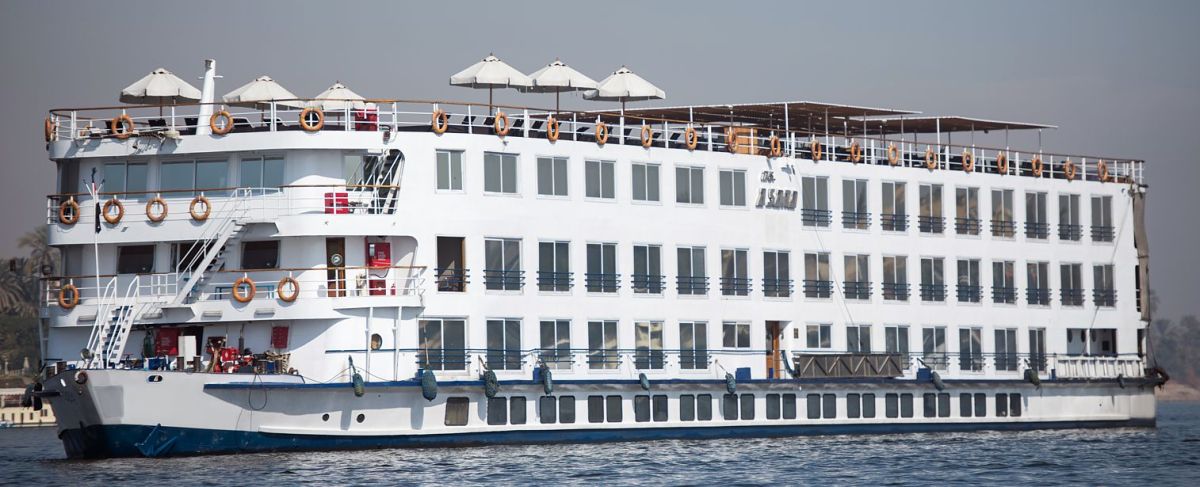
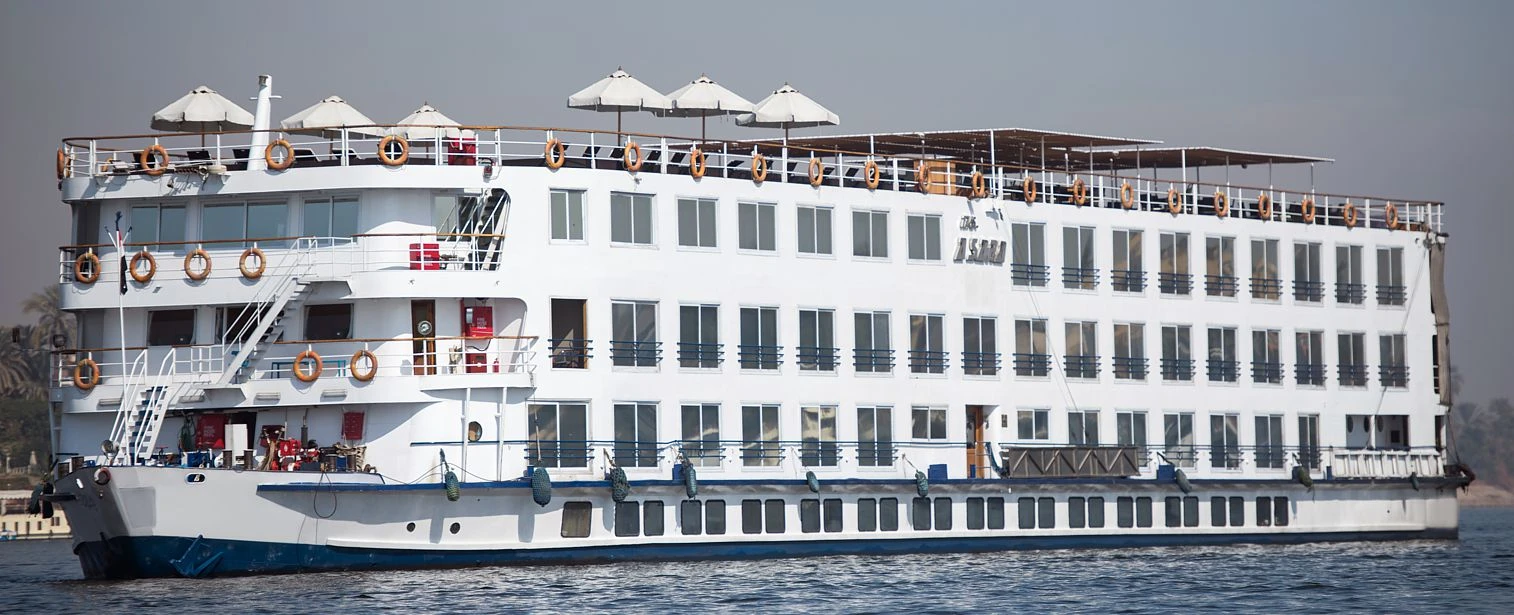
The traditional Nile cruise operates as a massive river vessel that serves as an aquatic hotel. The ships maintain set routes which connect Luxor and Aswan, and they can accommodate 100 to 300 passengers. Most itineraries include visits to famous archaeological sites such as the Valley of the Kings, Karnak Temple, Edfu Temple, and Philae Temple.
The ship provides guests with amenities that match the standards of mid-range hotels and luxury hotels through its dining facilities, outdoor spaces, swimming pools, indoor entertainment areas, and occasional spa treatments. The social area creates an energetic atmosphere which features evening shows and buffet dining. The ships maintain fixed docking times, which require them to share port space with various other ships, thus resulting in a more organized and structured experience. The Nile cruise provides travelers who seek comfort and convenience with a traditional cruise experience, which enables them to discover Upper Egypt.
What Is a Dahabiya?
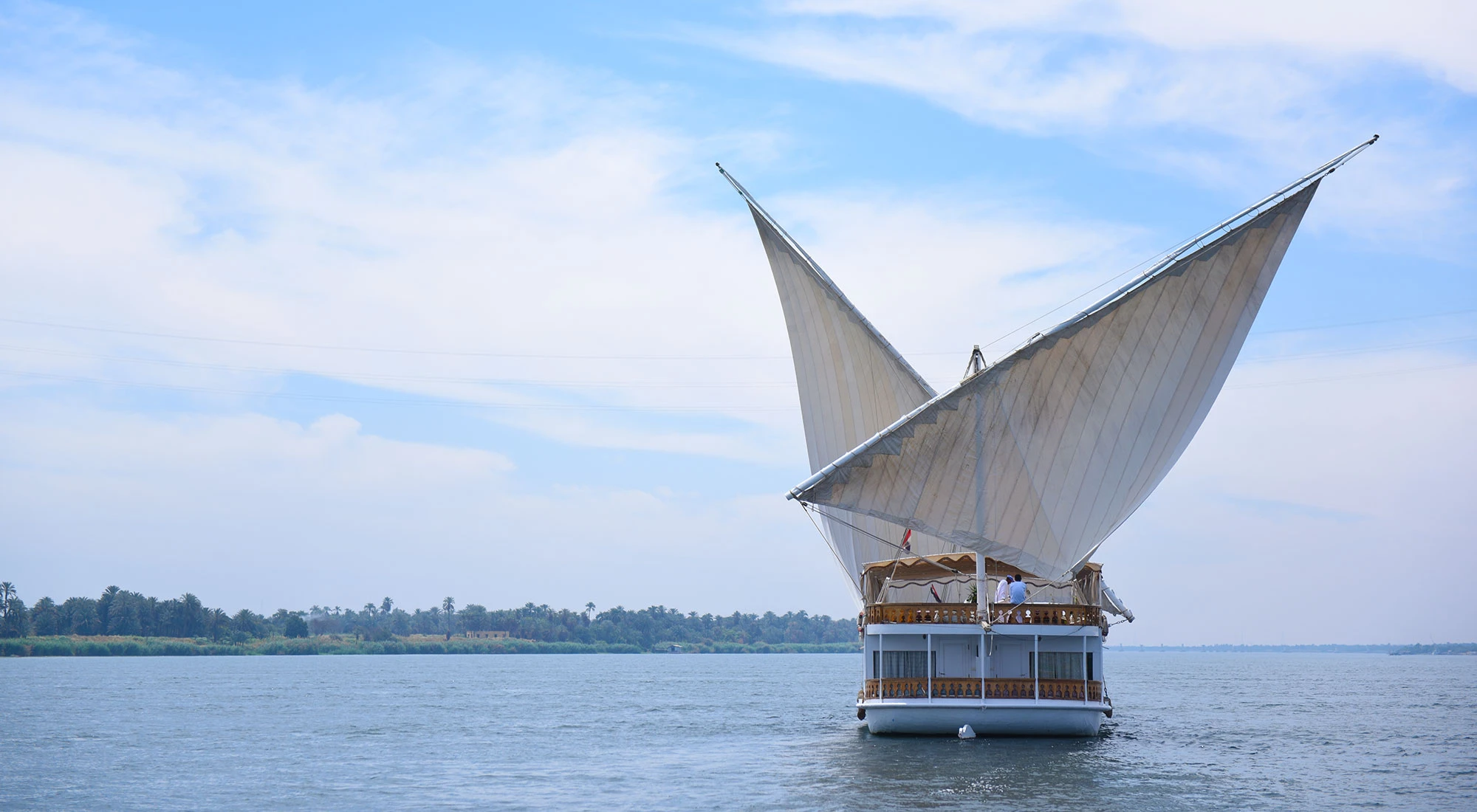
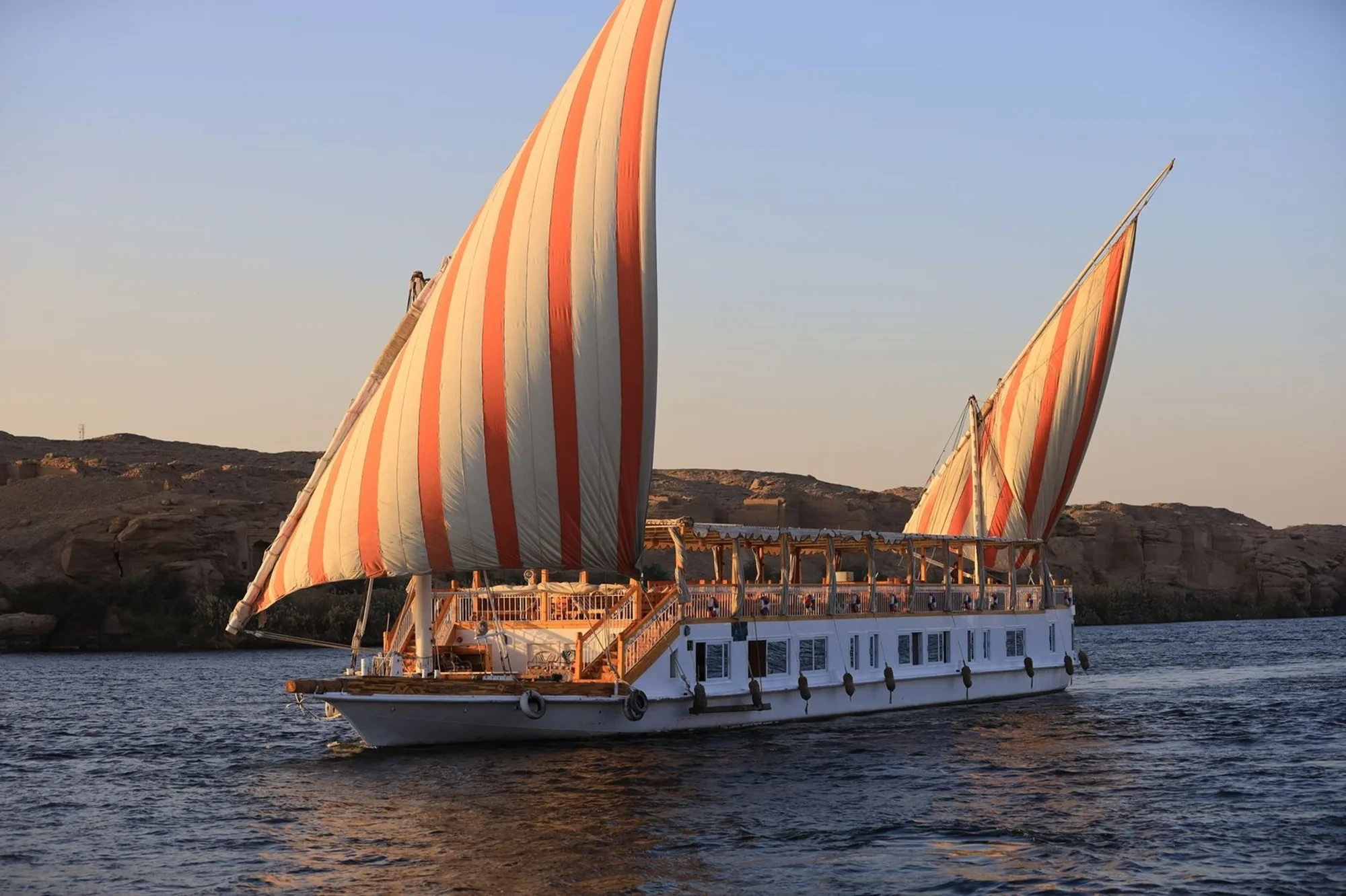
A Dahabiya functions as a compact traditional sailing vessel that displays the 19th-century Nile travel aesthetic. Dahabiyas, which operate between eight and twenty passengers, create a special atmosphere that differs from large cruise ships. The wooden vessels use wind power as their primary energy source, which results in a slower and quieter travel experience compared to motorized cruise ships.
A Dahabiya delivers its charm through two main features: its customized service and its tranquil atmosphere. The staff onboard the ship delivers better service because the reduced number of guests on the ship creates a more exclusive experience, which resembles private yacht service rather than cruise ship operations. The smaller dimensions of Dahabiyas enable them to access quiet riverbanks and explore hidden locations that remain off-limits to large vessels. The area provides chances for special activities, which include walking through tiny villages, dining on remote islands, and enjoying time on deck while observing the traditional life of rural Egyptians.
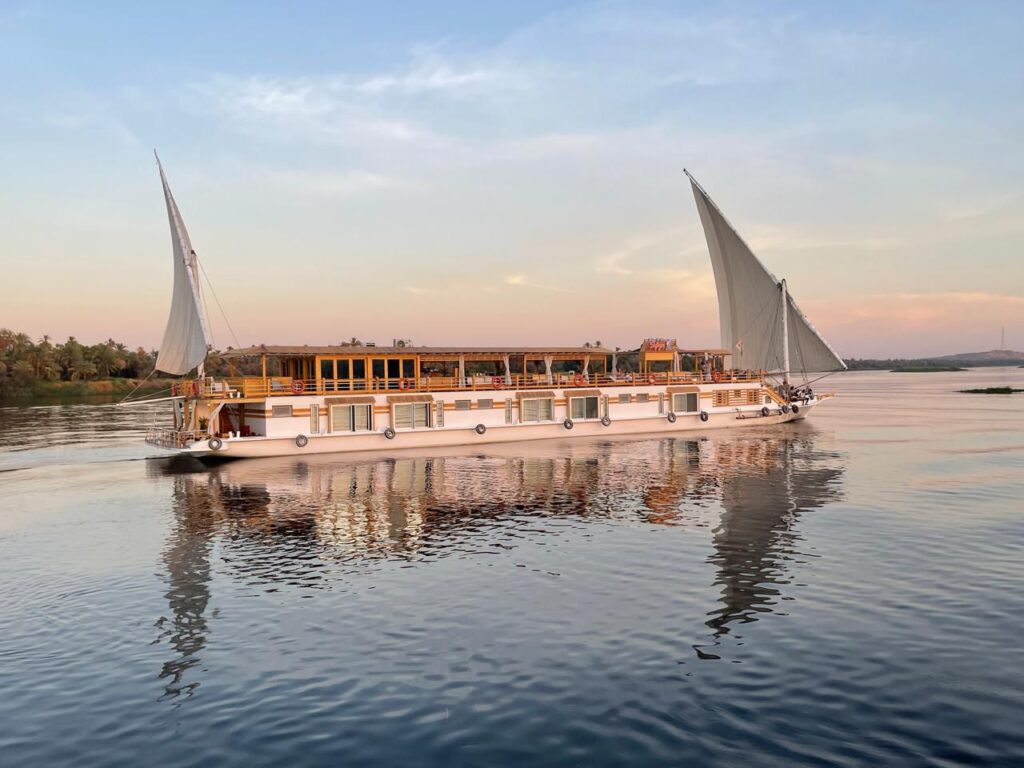
Choosing Between a Lively Cruise and a Peaceful Dahabiya
The main aspect that separates a Nile cruise from a Dahabiya expedition shows itself through the different atmospheres that result from each boat's particular dimensions. A Nile cruise creates a vibrant atmosphere that encourages social interactions between its passengers. The ship's capacity to carry hundreds of people creates constant movement throughout the vessel, which results in ongoing discussions and various activities. The shared dining areas, together with the entertainment activities, provide travelers from different parts of the world with chances to socialize with one another.
The Dahabiya provides passengers with both peacefulness and personal space. The limited number of passengers results in a calm and relaxed environment. People prefer to dine quietly under the stars during the evening hours instead of going to large entertainment performances. The peaceful ambiance of a Dahabiya makes it an ideal choice for couples who want to spend their honeymoon together and for travelers who want to experience a romantic vacation.
Itinerary Flexibility: Nile Cruise vs Dahabiya
Large Nile cruise ships operate on fixed timetables because river traffic regulations and docking limitations restrict their movements. This means that most cruises follow nearly identical schedules, stopping at the same major temples along the way. The tour enables you to experience the principal attractions of Upper Egypt, but it requires you to visit tourist destinations at the same time as other cruise groups, which results in crowded conditions.
Dahabiyas offer more flexibility than other transportation options. Their smaller size and lower risk of port congestion allow them to make changes to their scheduled stops. Some itineraries include hidden gems and lesser-known temples, which create a more exclusive atmosphere. The slower sailing pace enables travelers to experience the Nile River in its entirety instead of using it as a means to travel between historic sites.
Sailing Style and Journey Experience on the Nile
The traditional Nile cruise ships use motor engines to operate their voyages between different ports. The main objective concentrates on visiting important locations while spending the maximum time available for sightseeing. The onboard relaxation area provides passengers with their free time, yet the onboard schedule governs their entire experience.
Dahabiyas embrace slow travel. The crew raises sails when wind conditions permit, which enables the boat to move silently down the river. The Nile River operates as an important component of the experience because of its reduced operational speed. The experience of watching farmers work their fields while children wave from the riverbanks and palm trees move in the wind becomes equally valuable to visiting ancient temples. The travel experience creates a major impact for travelers who consider their trip to be as valuable as their final destination.
Luxury Travel on a Nile Cruise or Dahabiya
The two choices both provide comfortable spaces, yet they present different types of luxurious design. Nile cruise ships offer larger spaces that include swimming pools and lounge areas, along with several dining options. The cabins provide travelers with spacious rooms that feature contemporary amenities and resort-style features.
Boutique luxury defines the design of Dahabiyas. The cabins feature elegant designs while guests enjoy fresh meals that are served in small dining spaces with highly personalized service. The establishment focuses on providing guests with sophisticated and elegant experiences instead of offering them access to large entertainment areas. A Dahabiya provides its passengers with exclusive and private luxury, whereas a Nile cruise offers its guests widespread and comfortable luxurious amenities.
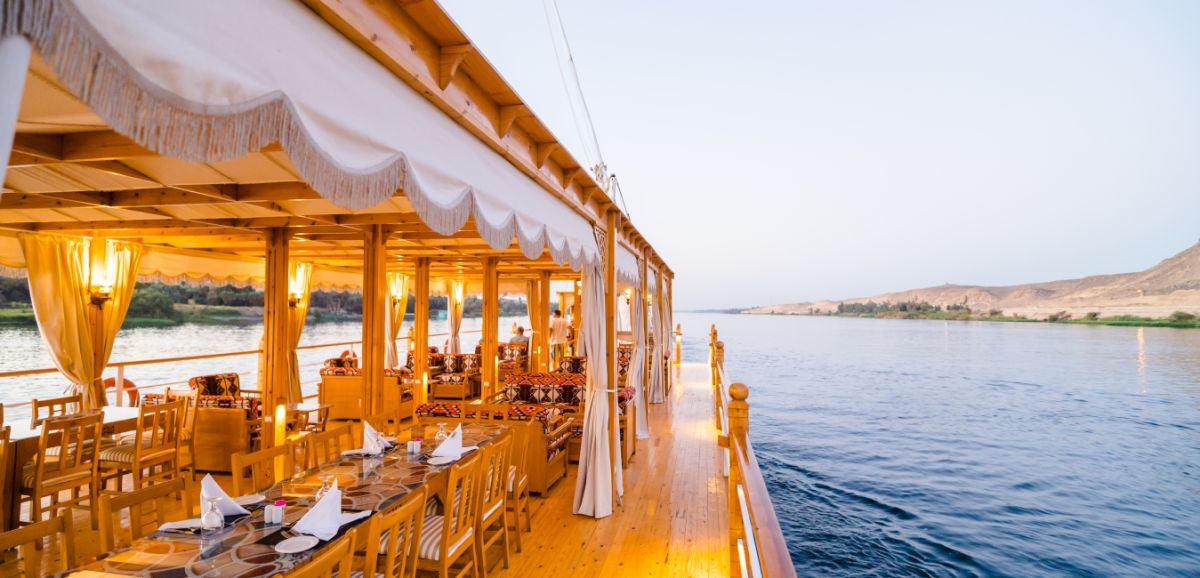
Travel Budget and Luxury Experience on the Nile
Budget plays an important role when choosing between a Nile cruise and a Dahabiya journey. Traditional Nile cruises offer a wide range of pricing options, making them accessible to many types of travelers. Families, groups, and visitors looking for mid-range travel costs often prefer this option because large cruise ships can accommodate many passengers. This allows operators to spread operational expenses across a larger number of guests, resulting in more affordable prices. In addition, many Nile cruises include meals, guided tours, and onboard entertainment, creating a convenient and value-packed travel experience.
Dahabiyas provide travelers with a private boat experience, which enables them to explore the Nile. The elegant sailboats operate with restricted guest capacity, which results in higher costs for each passenger. The price reflects the intimate atmosphere, personalized service, and unique travel pace that Dahabiyas provide. The additional charge for this service becomes worthwhile to travelers because they receive a silent environment together with boutique-style accommodation and special access to the Nile.
Your travel style and expectations about your journey will determine whether you should choose a Dahabiya or a Nile cruise. A traditional Nile cruise will suit your needs when you want to experience vibrant areas while following preplanned schedules and enjoying hotel-like facilities. A Dahabiya provides visitors with an exclusive experience that lets them experience the Nile's natural beauty through its more personal and sophisticated atmosphere.
You can visit remarkable historical locations while experiencing the everlasting beauty of the Nile through both choices. The journey from Luxor to Aswan becomes one of Egypt's most memorable experiences, which travelers can experience on both large cruise ships and elegant sailing Dahabiyas.





-webp.webp "Hilton")
-webp.webp "dusit")
-webp.webp "Marriott Hotels")
-webp.webp "Azimut Hotel")
-webp.webp "Golden Tulip")
-webp.webp "sheraton")
-webp.webp "westin hotel")
-webp.webp "Movenpick")