


Can Foreigners Drive in Egypt? IDP Requirements, Traffic Rules, and Checkpoint Tips

Behind the Wheel in the Land of Pharaohs: Can Foreigners Drive in Egypt?
The idea of exploring Egypt conjures up visions of mythical independence, such as cruising past the massive pyramids of Giza on your own schedule, taking those impromptu road trips along the glittering Red Sea coast, or navigating the desert roads that connect Cairo to the historic wonders of Luxor. However, public trains and tourist buses never quite match the independence that comes with renting a personal vehicle. However, there is one very important and practical question you should ask before making an online car reservation. Is it possible for foreigners to drive in Egypt?
And here we go, in short: yes, it is legally and technically possible for foreigners to drive in Egypt. The Egyptian government is very welcoming of international tourists and has created the proper legal procedures for them to hire cars and drive around on national roads. But the gap between what is legally allowed and what is practically wise to do in such a situation is enormous, especially taking into account the driving circumstances in Egypt. Driving in Egypt is a challenging, very local experience, which means that you will need to use your wits and get used to new road rules, almost forgetting everything you know about “common sense” when it comes to driving. We will present you with a full driving guide, from beginning to end, with all the specifics of driving in Egypt.
The Legal Requirements: Passports, Licenses, and Age Limits
The combination of the necessary documentation, both international and local, is required by law to operate any motorized vehicle on the roads of Egypt. Unfortunately, one cannot simply go to a certain car rental agency in Cairo, provide the regular drivers license from their home city, and take the car keys without any additional paperwork.
1. The International Driving Permit (IDP)
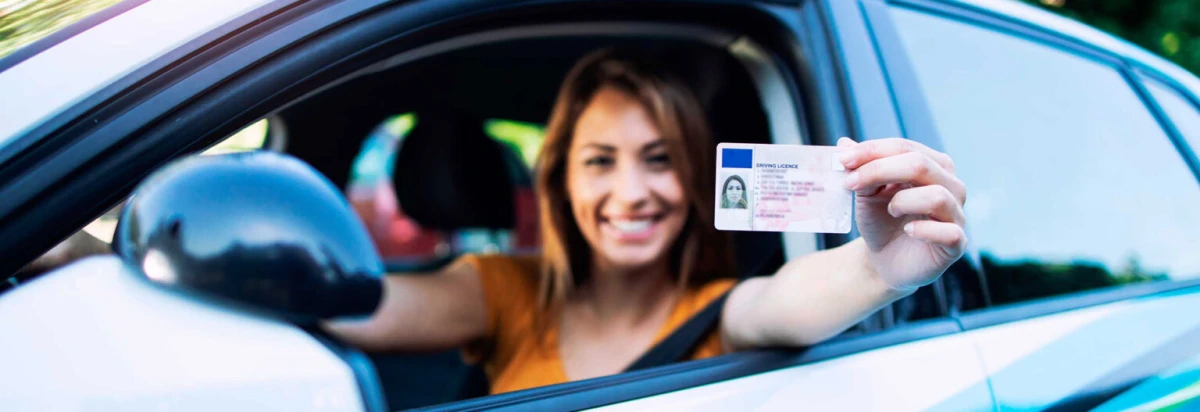
In order to be able to drive in Egypt, it can be considered the cornerstone of the entire process. In case you travel to the country on a tourist visa, one will have to possess the valid International Driving Permit along with the valid original domestic drivers license. Such permit serves as an officially accepted multilingual conversion of your document, and it is recognized by the traffic police of Egypt as such. The booklet must be obtained before entering Egypt since it cannot be issued once you are there.
2. Exceptions for the residents
In case there was any change in your situation such as being shifted from temporary guest to permanent expatriate and acquiring an official residency visa in Egypt, then the validity of the international driver’s permit comes to an end in that scenario. Once you become a resident, according to regulations, you will have to seek an authentic Egyptian Driver License which normally means undergoing the process of local driving test along with a brief physical checkup at regional traffic department.
3. Age Restriction and Reality of Car Rentals
Despite the minimum age of driving for Egyptian citizens is 18, however, almost all foreign car rental companies like Avis, Hertz and Sixt use their private corporate 'safety bands' . For the foreigners, you must be of 21 to 25 years old, depending on the type of car, and have been having your home license for at least one whole year. Apart from that, your original passport will also have to be submitted for checking your active stamp and your international credit card for making a huge deposit of insurance.
The Reality of Egyptian Traffic: A Symphony of Chaos
After the paperwork is done, comes the real physical aspect of fitting into an Egyptian road. Now, if your previous experience with driving was mainly on those extremely disciplined Western roads where everybody sticks strictly to lane markings, then brace yourselves for a serious cultural shock.
Urban traffic in such cities as Cairo and Alexandria is famously characterized by its chaotic nature, its being extremely crowded and relying on this silent yet flowing logic which is enough to scare away anyone who tries it for the first time.
Below are some of the most notable features:
Lane markings do not exist as law: while there will be lane markings on the roads, they are pretty much disregarded everywhere. That means that in a supposed three-lane highway, you would see it becoming a five or even six-lane road filled with cars hugging each other.
Horn is The Real Language: In the Western world, the use of the horn is normally an expression of extreme irritation or an instant warning sign of a danger ahead. However, in Egypt the horn usage seems to be more like a constant dialogue, almost a form of ritual. It could mean “I’m passing by on your left side”, “Thank you”, “Watch out, I'm turning”, or simply “I am here.” You will hear a chorus of honks from start to finish of your ride.
Right-of-Way to Those who are Brave: here the right-of-way does not belong either to the driver on the left side or to the one who is driving within the roundabout. Instead, it belongs to the person who boldly manages to stick the front of his/her car in between those places first. If you stop even for a moment, others will take it as a cue and get in front of you.
Navigating the Highways: Speed Bumps and Military Checkpoints
Thus, when you opt for leaving the bustling traffic of the city and proceed to drive on the long-distance routes between regional centers, you should definitely adopt some local practices regarding infrastructures rather than continue to “drive like at home.”
Namely, the secret hazard can be found in the form of the speed bumps known as Matat. In general, everything related to the condition of national highways in Egypt seems to be in great condition, except for one surprise: the tactical speed bump, which is popularly known among locals as matat. It is a large concrete or asphalt ridge placed across the highway and often seen near villages, intersections, or crosswalks, where traffic needs to be forced to slow down.
What makes it even more frightening to foreigners is that many of these speed bumps do not have any form of markings or warnings attached to them. Hitting one while traveling at 60 miles per hour could cause serious damage to the suspension system of a rental car or even cause a major accident. Therefore, one needs to be extremely vigilant, observe carefully – particularly, the brake lights of the local microbuses, and if you notice that traffic comes to an unexpected halt, then you need to start slowing down immediately.
Military and Police Checkpoints
As Egypt maintains tight security within its internal environment, one is bound to encounter military or police checkpoints on the regional roads, especially when visiting the Sinai Peninsula or when moving towards Luxor and Aswan.
When approaching any of these checkpoints, follow these steps, not more or less than:
Reduce your speed to almost nil and lower your headlamps at night.
Lower the driver’s window and turn off your music player.
Be polite, smile gently, and place your passport, your rental agreement, and your International Driving Permit in a visible spot on your dashboard.
The customs officers need confirmation of security clearance, but when they realize you’re a foreigner, they always have a pleasant face, greet you saying “Welcome to Egypt” and wave you away with no more hanging around.



-webp.webp "Hilton")
-webp.webp "dusit")
-webp.webp "Marriott Hotels")
-webp.webp "Azimut Hotel")
-webp.webp "Golden Tulip")
-webp.webp "sheraton")
-webp.webp "westin hotel")
-webp.webp "Movenpick")