


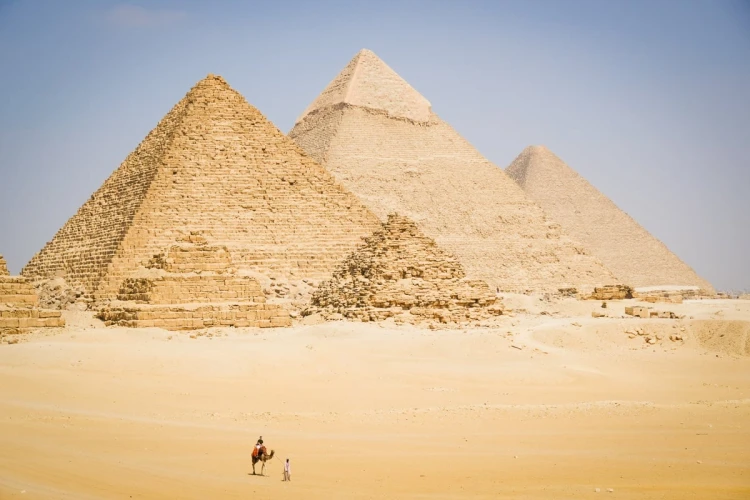
Beyond the Pyramids: Why Upper Egypt is the Real Treasure
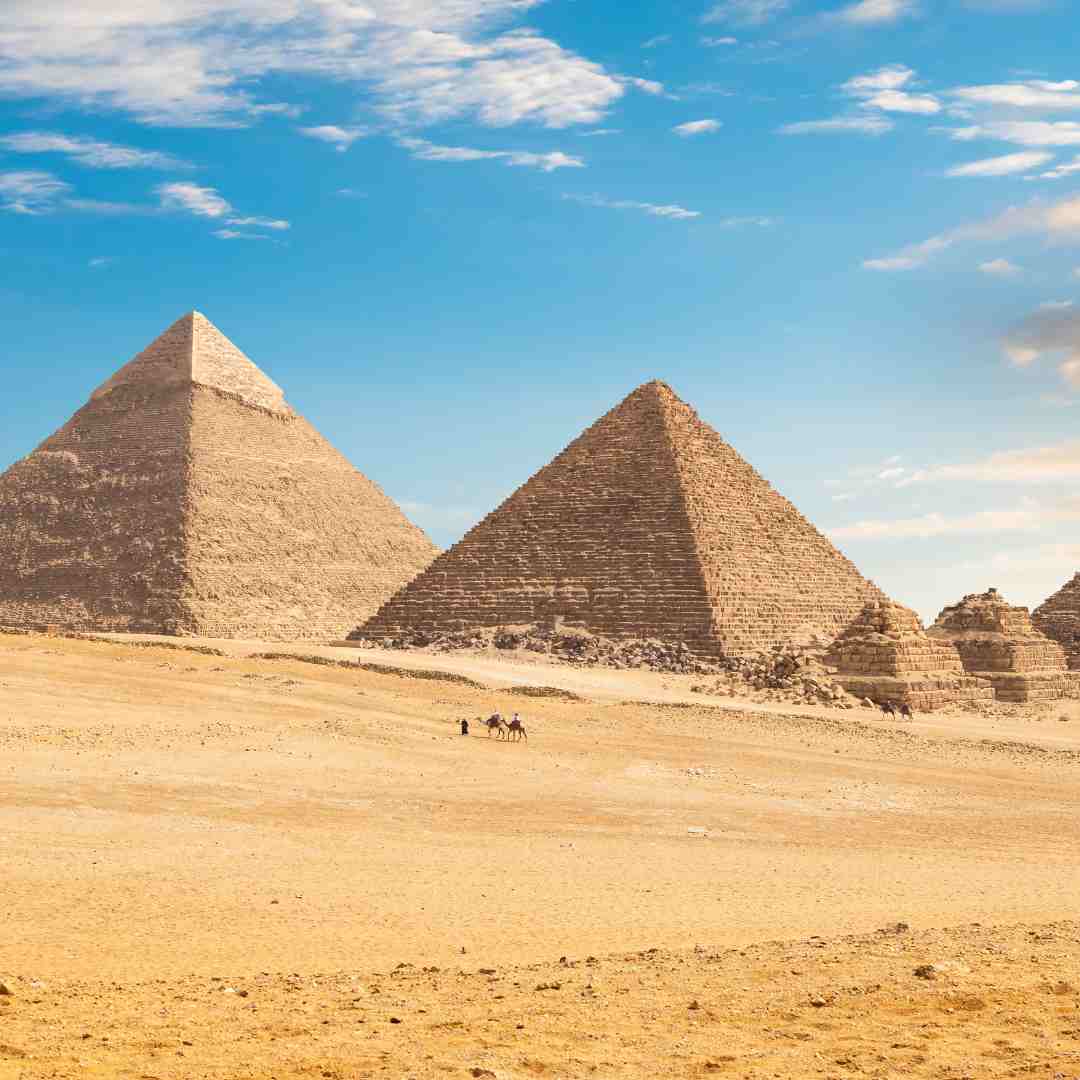
While the Pyramids of Giza are the face of Egypt, Upper Egypt (the southern stretch from Luxor down to Aswan) is its heart. If Giza is about the awe of scale, Upper Egypt is about the intimacy of detail. In the 2026/2027 season, travelers are increasingly trading the urban bustle of Cairo for the "slow travel" rhythm of the south.
Here is why the real treasure of the Nile lies beyond the shadow of the Pyramids.
1. The Colors are Still "Alive"
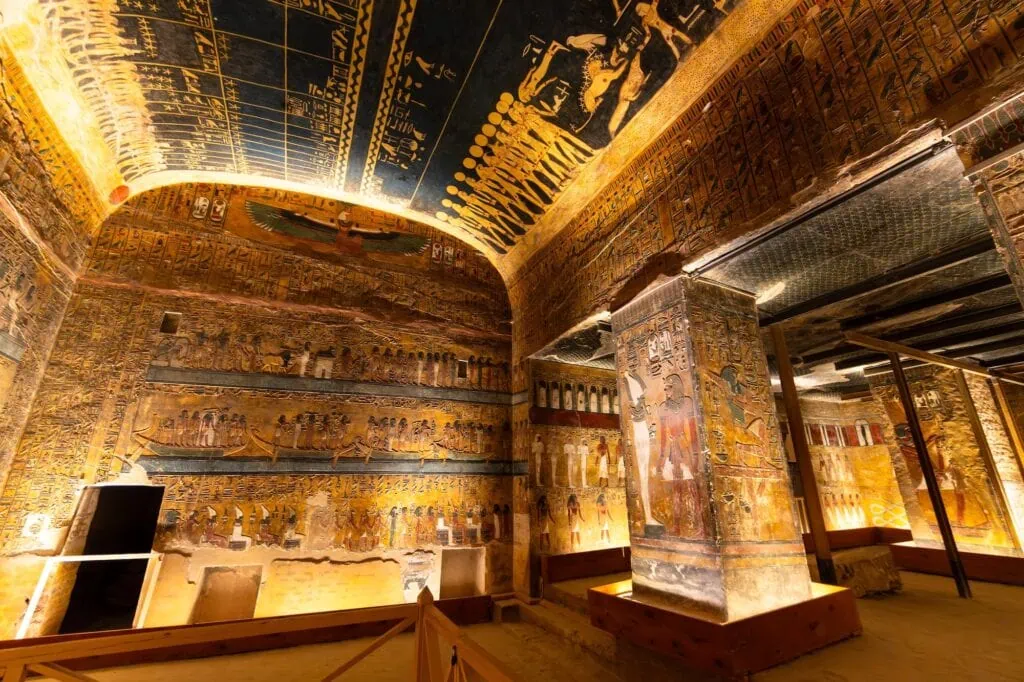
The Pyramids are magnificent, but they are largely monochromatic stone. In Upper Egypt, particularly in the Valley of the Kings and the Temple of Abydos, the ancient world is still in Technicolor.
-
The Experience: In 2026, newly opened tombs in the Dra Abu el-Naga necropolis feature wall paintings so vivid they look like they were painted last week, not 3,500 years ago. You can see the actual blues, reds, and golds that the Pharaohs saw.
-
The Human Connection: Seeing the brushstrokes of an ancient artist makes the history feel personal in a way that a massive limestone block cannot.
2. The "Slow Travel" Sanctuary: The Dahabiya
While Cairo is a city of 20 million people and legendary traffic, Upper Egypt is the land of the Dahabiya. These traditional wooden sailboats have become the "it" way to travel in 2026.
-
The Rhythm: There are no engines. You move at the pace of the wind. You’ll wake up to the sound of birds in the reeds rather than car horns.
-
The Access: Because these boats are small, they can dock at tiny islands and remote villages like El Kab or Gebel el-Silsila—places where the 150-passenger "mega-ships" simply cannot go.
3. Recent 2025/2026 Discoveries
Upper Egypt is currently the hottest spot for archaeology.
-
The "Lost Dynasty" of Abydos: In early 2025, archaeologists unearthed a massive 3,600-year-old tomb of a previously unknown king. This discovery has turned Abydos into a "must-visit" for 2026, offering a rare chance to see history being rewritten in real-time.
-
Karnak’s Sacred Lake: Recent excavations at the Karnak Temple Complex have revealed hidden structures around the Sacred Lake, adding new layers to the world’s largest religious site.
4. The Nubian Hospitality of Aswan
The further south you go, the more the culture shifts. Aswan is the gateway to Nubia, and the vibe is distinctively more relaxed and colorful.
-
The Experience: Visiting a Nubian village on Elephantine Island isn't just a "tourist stop"; it’s an invitation into a community. In 2026, boutique guest houses like Kato Dool have made it possible to stay within the village, trading 5-star marble lobbies for hand-painted mudbrick and genuine local connection.
Comparison: Giza vs. Upper Egypt (2026)
| Feature | Giza (The Pyramids) | Upper Egypt (Luxor/Aswan) |
| Main Vibe | Grand, Iconic, Energetic. | Intimate, Artistic, Serene. |
| Pacing | Fast / Day Trips. | Slow / Multi-Day Sails. |
| Key Highlight | The Great Pyramid / GEM. | Valley of the Kings / Philae. |
| Landscape | Desert Plateau / Urban Edge. | Lush Riverbanks / Granite Cliffs. |
| Social | High-density tourism. | Village immersion / Boutique stays. |
5. The "Silent" Sunsets
In Cairo, the sun sets behind a haze of city dust (which, admittedly, is beautiful in its own way). In Upper Egypt, the air is crisp. Watching the sun drop behind the Theban Hills from the deck of a boat, or behind the Aga Khan Mausoleum in Aswan, is a spiritual experience. It’s the version of Egypt you’ve seen in movies, but without the filter.
The 2026 Verdict
If the Pyramids are the "prologue" to Egypt, Upper Egypt is the main story. It’s where you stop being a spectator and start feeling like a part of the landscape. For the 2026 season, the "Real Treasure" isn't just the gold of the Pharaohs—it’s the quiet moments on the river between the monuments.



-webp.webp "Hilton")
-webp.webp "dusit")
-webp.webp "Marriott Hotels")
-webp.webp "Azimut Hotel")
-webp.webp "Golden Tulip")
-webp.webp "sheraton")
-webp.webp "westin hotel")
-webp.webp "Movenpick")