


Beyond the Pyramids: A Personal Journey Through the Mastaba of Mereruka
A Walk Through Time : The incredible Mastaba of Mereruka
Have you ever wanted to step into a time machine, not the kind you see in science fiction movies but one that actually lets you see things from the perspective of someone who lived over 4,000 years ago? If you are ever walking around the plains of Saqqara, in Egypt there is one place that you really cannot ignore. The Mastaba of Mereruka is one of those places. You can actually look into the eyes of someone who lived a time ago when you visit The Mastaba of Mereruka. The Mastaba of Mereruka is a special place that can take you back in time.
Who Was Mereruka ?
To figure out what the tomb is saying you really need to understand the person of Mereruka. Mereruka was not a king. He was still somebody important that you notice. He worked as a Vizier, which's like the right hand partner, to King Teti in the 6th Dynasty.
Imagine being the person in charge for one of the most powerful people, on earth. Mereruka had a lot of influence. When he died he needed a place to rest that was as important as he was not just some ordinary place to hide. The tomb of Mereruka had to be special because Mereruka was a person.
What Exactly is a Mastaba?
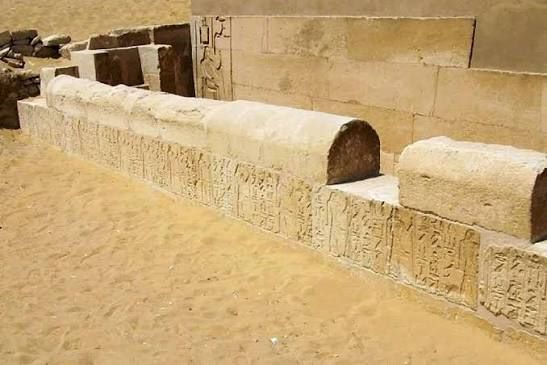
Before we go deeper we need to clear up the terminology. A mastaba is not what you think it is. It is not some piece of furniture. A mastaba is actually a kind of ancient Egyptian tomb. The mastaba looks like a topped rectangular bench. It is made of mud brick or stone.
The big Pyramids get all the attention.. The mastabas are where you can find the real stories of Egyptian life. These stories are quiet and intimate. The mastabas keep them hidden. The mastabas are really important. They tell us about the life of the Egyptians.
Stepping Inside the Masterpiece
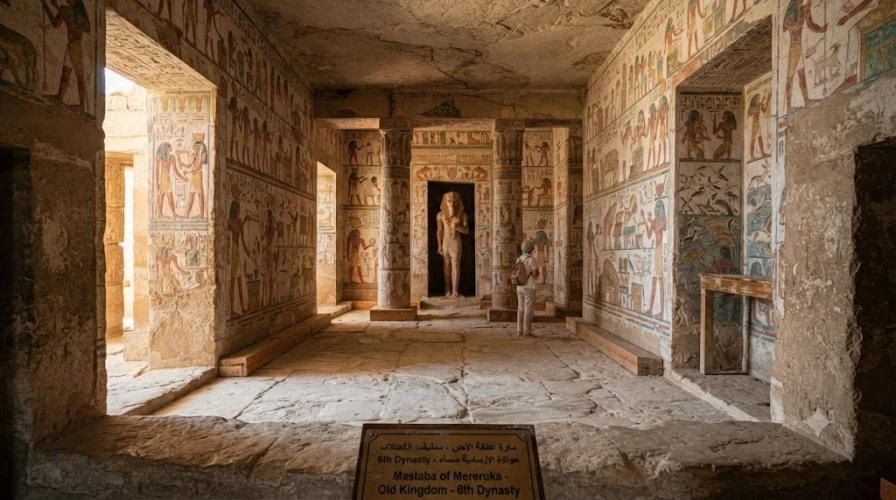
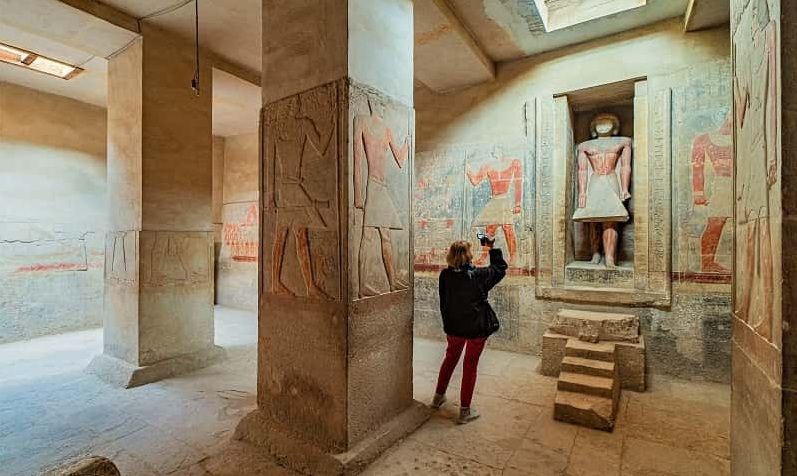
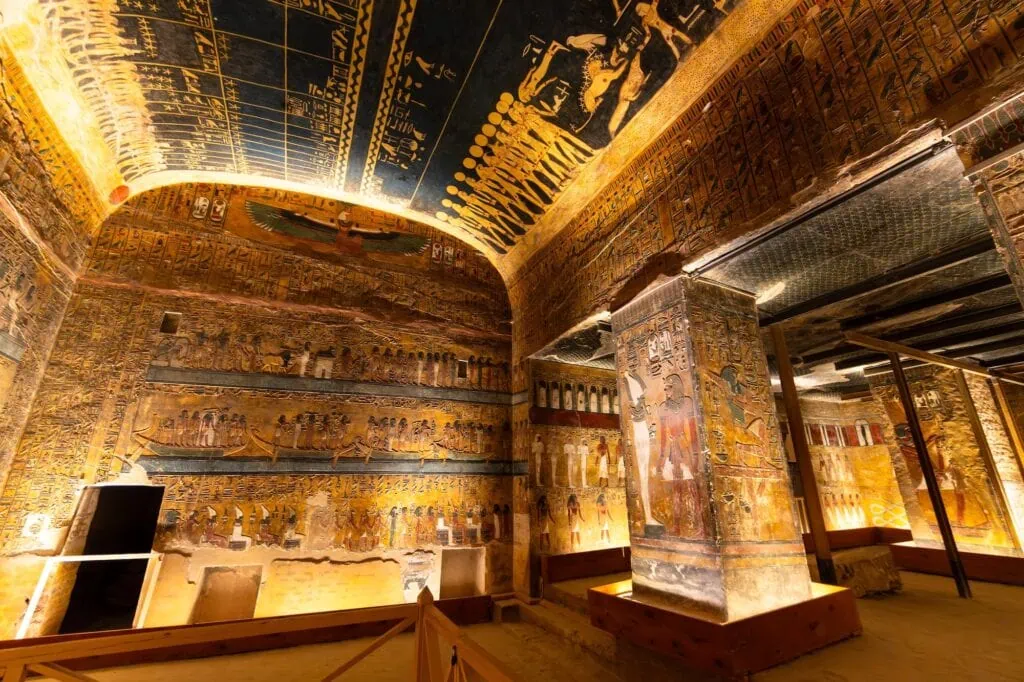
When you walk into Mererukas tomb it does not feel like you are walking into a grave. It feels like you are looking at a diary that is carved into the stone. The diary is very colorful and full of life. Mererukas tomb is not one room it is like a big maze with more than 30 rooms. You walk through the door. The cool air touches your skin. Then you see the walls. You understand why it is so special. The walls of Mererukas tomb are covered from the floor to the ceiling with pictures that are carved into the stone. These pictures are very detailed. They tell you a lot, about Mererukas life.
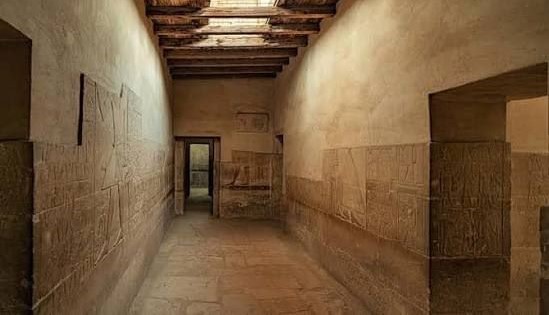
Why it matters
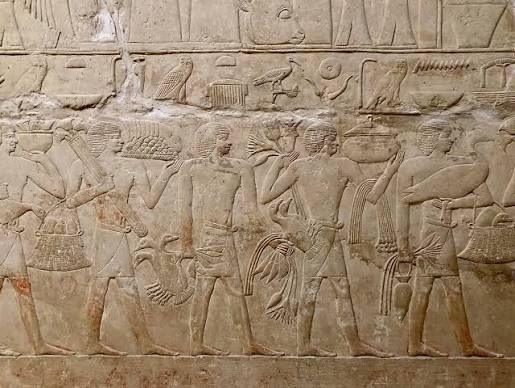
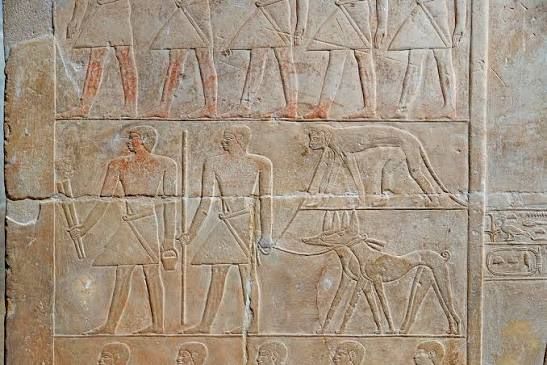
What is it about Mererukas tomb that makes it so special compared to the others really? For me it is the amount of detail that's in it. You can see men hunting in the marshes craftsmen working with gold dancers dancing and people bringing food to Mereruka. Everything about Mererukas tomb feels like it is about people. It is not about big religious pictures. Mererukas tomb is more about Mereruka, a person and his daily life, in a world that is hard for us to imagine. Mererukas tomb shows what Mereruka did every day. That is what makes it special.
A Legacy Kept, somehow
It is really amazing that we can still see these details today. The colors are not as bright as they used to be. The carvings on the walls still look really well made. This is a deal because it helps us remember what life was like for people a long time ago. When you are standing there you. Think about the people who worked on these walls for years. They wanted their work and the bosss name to last forever. The carvings are a connection, to the people who made them. That is a pretty cool thing. The fact that we can still see the carvings today is a reminder of the experience that has been going on for thousands of years.
what is Mastaba of Mereruka?
To really appreciate the Mastaba of Mereruka, you have to look past all the big, impressive stuff and try to catch those smaller moments that got locked into stone. Since it was the final resting place of a major Vizier, the craftsmen kind of pushed themselves hard, making sure the whole place tells a story that would keep going for eternity, or at least that’s the feeling you get.
One of the more interesting parts is that Mereruka’s wife, Princess Watetkhethor, is included so clearly. Many tombs, from what you usually see, focus mostly on the male official , but here she has a real presence. The walls show her in different episodes, sometimes standing right next to her husband and other times she’s overseeing household work on her own. It feels less like a side note and more like a statement, a kind of living proof of their partnership , plus the high rank women in the royal family could hold even in the 6th Dynasty.
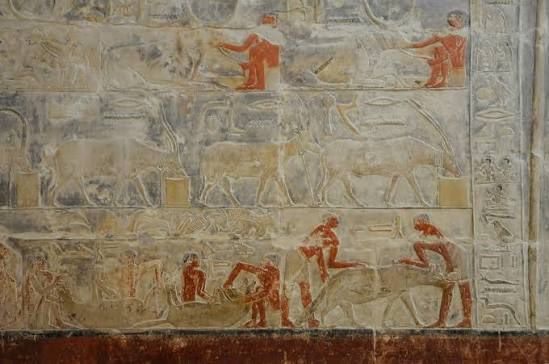
If you go farther into the inner chambers, slow down and watch the wildlife scenes . The ancient Egyptians were careful observers of the natural world, and the reliefs really show that. There are images of hippos in marshland, birds lifting off into the air, and even fish moving through the Nile. None of it is only for decoration though, it’s meant as a symbol, like a promise of the abundant life Mereruka would experience in the afterlife, which also mirrors the prosperity that Egypt was known for.
Another aspect that often surprises visitors is the way the craftsmanship from that time is depicted. You can see really detailed scenes—metalworkers casting gold, sculptors busy with their work on statues, and farmers tending to their crops. It gives this rare, grounded sort of perspective on the Old Kingdom economy. You almost feel like you’re watching the actual jobs people did, just so the civilization could rise and build those massive monuments, you know.
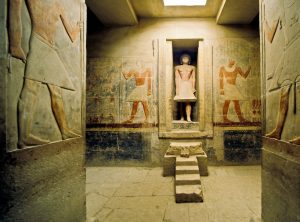
And maybe the most touching detail is the statue of Mereruka himself, found in the tomb. It shows him stepping out from a niche, like he’s about to greet you the second a visitor enters his home. It’s a brilliant piece of artistic storytelling, that bridges the living world with the realm of the dead. When you stand there facing that statue, it’s easy to forget that thousands and thousands of years have passed. The tomb isn’t only some cold stone structure, it feels like a warm, enduring invitation, to remember a man who was once right at the center of the world.




-webp.webp "Hilton")
-webp.webp "dusit")
-webp.webp "Marriott Hotels")
-webp.webp "Azimut Hotel")
-webp.webp "Golden Tulip")
-webp.webp "sheraton")
-webp.webp "westin hotel")
-webp.webp "Movenpick")