


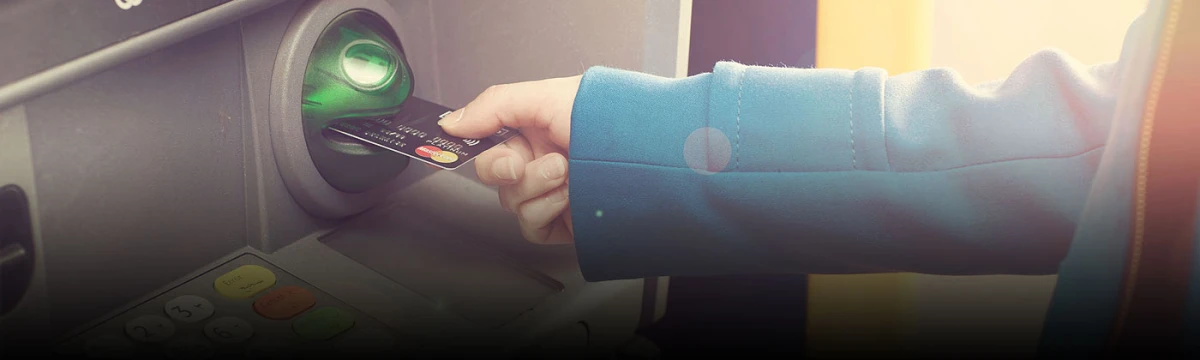
ATMs in Egypt for Tourists
The Traveler’s Guide to ATMs in Egypt: Navigating Cash, Cards, and baksheesh Like a Pro
Ok so imagine this: you’ve just spent the afternoon wandering through the breathtaking, towering columns of Karnak Temple in Luxor. The sun is going down, and the sky turns into this deep amber violet wash , and you notice a tiny local cafe that serves exactly what you want—like a hot cup of fresh mint tea and a plate of crispy falafel, people call it ta'ameya. You reach into your pocket but instead of a crisp banknote your fingers touch that smooth plastic of your premium travel credit card.
The cafe owner gives you this kind, but slightly sorry smile. “Sorry my friend, cash only.”
Yeah so this is the classic Egyptian travel paradox. Egypt has been doing a big push toward digital payments. Like you literally cannot pay for an entry ticket to the Giza Pyramids, the Egyptian Museum, or most major archaeological sites with cash anymore , the government requires Visa or Mastercard at the gate. But then, on the other side, the street-level micro world that gives Egypt its actual soul, it still moves on physical money: the food carts , the tight confusing lanes of Khan el-Khalili, the donkey-drawn carriages, and that essential habit of tipping , you know baksheesh.
So to unlock the best of Egypt you need Egyptian Pounds (EGP). And to get those pounds without getting wrecked by sneaky fees, you have to learn how Egyptian ATMs actually work. Here’s the real breakdown, so you can handle your money like you belong there.
1. The Heavyweights: Which ATMs Should You Trust?
When you walk down the streets of Cairo, or stroll the boardwalks of Sharm El-Sheikh you’ll spot this dizzying array of banking signs. And yeah, not all ATMs are the same, like at all. Some have clunky interfaces that feel like early 1990s desktop computers, while others give you sleek, modern English menus with bigger transaction ceilings and cleaner steps.
For the smoothest experience, try to look for these three major banking networks, in one sweep:
CIB (Commercial International Bank)
If you see a bright blue and white CIB logo, just go for it. CIB is Egypt’s leading private bank, and honestly it’s the gold benchmark for international travelers. Their machines are modern, extremely stable, and they rarely reject foreign debit cards. You’ll also get solid English language options, and in general the highest single-withdrawal limits you can find in the country.
HSBC Egypt
A globally recognized name, HSBC is a solid pick if what you want is safety and peace of mind. Their ATMs tend to be protected, usually placed inside well-lit lobbies and—this matters—success rates are exceptionally high with European, American, and Asian bank cards. If you already have a premium international account with HSBC back home, you may even get waived or reduced network fees, depending on your setup, and sometimes the timing.
National Bank of Egypt (NBE / Al Ahly) & Banque Misr
These are the huge, state-owned green and red giants of Egyptian banking. You’ll see them everywhere, without even trying. A CIB machine might be hard to track down in some remote oasis like Siwa, or in a quiet corner village along the Nile, but NBE and Banque Misr? They show up, always. They are basically ubiquitous incarnate. The only catch is this: because they serve the whole local crowd, their lines can be long, especially on national holidays or paydays. Also, on older machines, single-transaction withdrawal limits are sometimes lower, though not always.
2. Limits, Fees, and the Math of withdrawing Money
Figuring out the numbers behind your withdrawal will help you avoid a weird surprise when you check your online banking app later.
Single Transaction Limits
Most ATMs in Egypt set a strict limit on how many physical notes the machine can dispense in one go. Usually big private banks like CIB and HSBC let you withdraw around 8,000 to 10,000 EGP per transaction. State banks like NBE or Banque Misr tend to cap it at a smaller range, maybe 3,000 to 5,000 EGP per run.
So if you’re trying to get a bigger chunk of cash for a hot air balloon ride or a longer multi-day desert safari, you may need to insert your card, type your PIN, and basically do the same withdrawal two, or even three times back to back. Not ideal, but it adds up to what you need.
Local vs. Home Bank Fees
Using an Egyptian ATM means you’re dealing with two separate fee worlds, not just one.
The Egyptian Bank Fee: Good news, local ATM charges are usually pretty mild. Most machines owned by major banks either charge zero, or they ask for a small fee like 50 to 150 EGP (about $1 to $3 USD) to process a foreign card.
Your Home Bank Fee: This is the part that bites. A lot of traditional home banks take a flat $5 out-of-network fee, plus a 3% foreign exchange transaction fee on every single withdrawal, so it stacks every time you tap the screen and confirm.
3. The Golden Rule of ATMs: Reject the Conversion
If you remember just one thing from this guide, let it be this: Always choose to be billed in local currency (EGP), okay.
During your withdrawal, the ATM screen will pop up with one of those, overly “official” looking prompts. It will notice you’re using a foreign card and it will say something like:
The device is trying to act helpful, offering “guaranteed balance protection” or “locked-in stability,” even if it sounds smart. This trick is called Dynamic Currency Conversion (DCC).
If you agree to their conversion and pick your home currency, the Egyptian ATM uses its own, heavily marked-up exchange rate—so they take the big cut, for real. If you decline the conversion and pick EGP, then the machine forwards the transaction as-is to your home bank or card network (Visa/Mastercard). They’ll apply the official wholesale rate, which is fairer. Going with EGP can save you roughly 5% to 10% on each transaction.
4. Safety and Logistics: Keeping Your Money Secure
Egypt is, by and large, a pretty safe place for travelers. Violent crime is rare, and most people there, they kind of take pride in being hospitable. Still, financial opportunism, plus technical little hiccups, they can show up anywhere, not just abroad.
Location is Everything
Don’t go for a generic unbranded ATM that’s sitting in a dim alley , or inside some random convenience shop . Those independent machines are basically a playground for card skimmers, and sometimes they sneak in absurd hidden charges too.
Instead, you should rely on ATMs that are physically connected to a busy , open bank branch. There are two big perks here. First, these spots are usually watched over by security staff and monitored with high-definition cameras, so anyone trying to tamper with it has very little chance. Second, if the ATM does the classic thing and eats your debit card—like after a sudden power flicker or a software lock up—then you just go right into the bank, show your passport, and ask the branch manager to fetch it for you.
Watch the Calendar
In Egypt, the weekend is Friday and Saturday. On Thursday night, it feels like half of Cairo goes out to celebrate and thousands of folks crowd around ATMs to pull out cash for the weekend. By Saturday afternoon, the machines in high-footfall tourist areas, like near the Luxor souk , or on the main strip in Dahab can be totally empty.
So aim to do your cash withdrawals on Monday, Tuesday, or Wednesday mornings, when the machines are typically freshly topped up by armored trucks.
5. The "Small Bills" Hustle: Managing your Cash
After the ATM finally does its job and hands you the money, you’ll probably hit a second little headache: it gives you that neat stack of crisp shiny 200 EGP notes. To a local taxi driver, a street food vendor ,or even a bathroom attendant, a 200-pound note might as well be solid gold. They simply won’t have the change to break it, and everyone gets weird fast.
In Egypt, the small currency notes (10, 20, and 50 EGP) are basically a lifeblood. You end up needing them all the time for baksheesh ,and yeah it’s cultural, you tip everyone from the person who hands you a paper towel in a museum restroom ,to the driver who threads you through Cairo’s famous traffic maze.
How to Break your Large Notes
Don’t even attempt to break a 200 EGP note on a 20 EGP bottle of water from some tiny street kiosk ; that puts the vendor in a awkward situation and it creates tension that feels unnecessary. Instead, use your bigger ATM notes at larger corporate places. Pay for meals in major sit-down restaurants, grab snacks at big international supermarkets like Carrefour or Spinneys, or use the notes right at your hotel front desk.
Also, try to aggressively collect the smaller 10, 20, and 50 EGP notes they hand you as change. Keep them in a separate pocket or pouch ,so you can reach for them quickly without flashing a huge wad of cash in front of strangers.
Final Thoughts: A bit of prep goes a long ways
Messing with money in a foreign country can feel a little intimidating , even if you’ve done it before, but with some strategic planning it becomes more like a tiny footnote in your adventure. Just stay with reliable names such as CIB and HSBC, always hit the option for local money (EGP) , and watch for those ATMs that are attached to the banks. Also, treat your small bills like treasure, genuinely don’t spend them too quickly , keep them close.
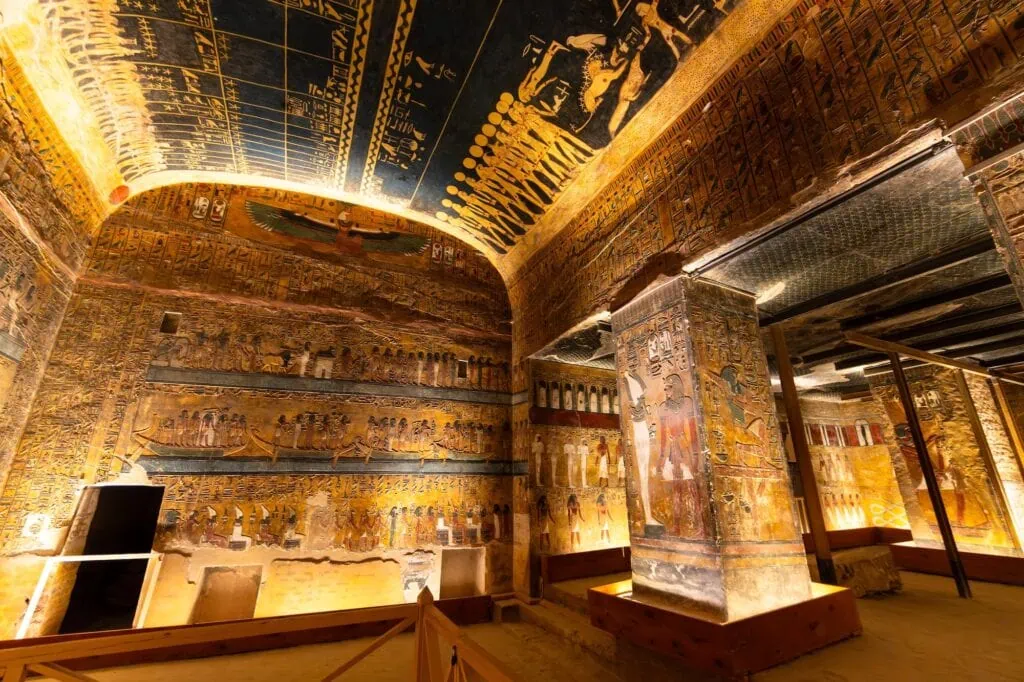
Once you take charge of your cash approach, you can stop getting stuck on transaction fees, and start caring about the real stuff : looking up at the jaw dropping ceilings of ancient tombs, gliding down the Nile on a traditional felucca , and getting pulled into Egypts timeless magic.


-webp.webp "Hilton")
-webp.webp "dusit")
-webp.webp "Marriott Hotels")
-webp.webp "Azimut Hotel")
-webp.webp "Golden Tulip")
-webp.webp "sheraton")
-webp.webp "westin hotel")
-webp.webp "Movenpick")