


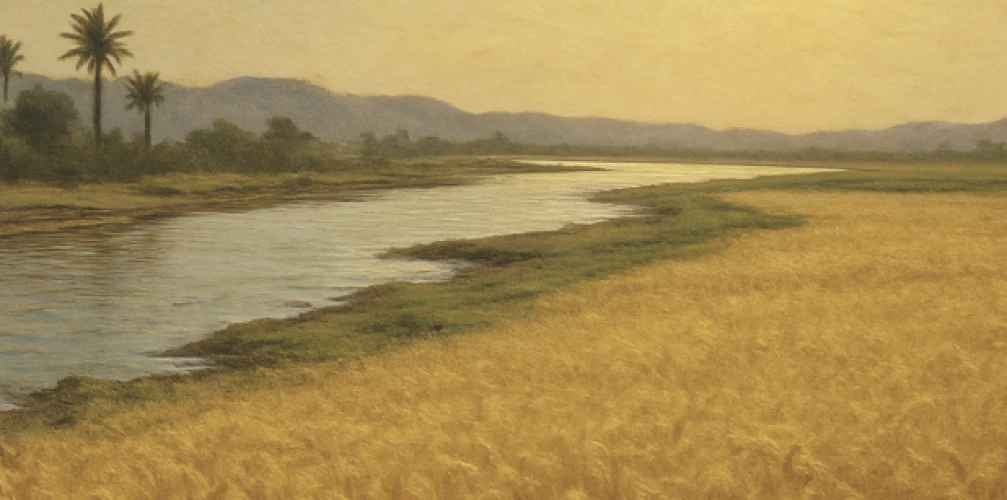
Shemu Festival in Ancient Egypt
The African continent experiences its dry season during this time period. The combination of irrigation and agricultural techniques enables Egyptian farmers to cultivate their fields throughout the whole year. The research study used scientific methods to investigate multiple plant species. The document contains mathematical expressions which require decoding for their comprehension. The existing legal system lacks essential governance frameworks needed to establish effective public security measures. The development of the three Egyptian seasons established a stable foundation which sustained social order. Egyptian farmers depended on the Nile River as their primary water source for irrigation purposes. The Shemu Festival operated as a festive event which allowed people to express gratitude to their gods for providing them with sustenance. The process of the Nile River rising has been shown to follow an oscillating pattern which reaches its highest point at the Egyptians' New Year celebration. The ancient Egyptians used the Nile River's yearly flood cycle to create their temporal measurement system. The Nile River inundation period which Egyptians called Akhet brought about complete agricultural transformation to their fields. The Egyptian calendar functioned through three distinct seasonal periods which formed the base concept of social stability according to research. People needed to store their grain supplies because they faced another year of existence. The ancient Egyptian Shemu Festival evolved into a festive event where people took time to express their gratitude to the gods who provided them with food.
The Clock of the Nile: Why Shemu vs Akhet Season Defined the Egyptian Year
The Egyptian calendar used Nile river patterns as its time measurement system while Western calendars divide their year into four distinct seasons. Their year followed three continuous seasonal periods instead of four distinct seasons because their system definedaki sohar and sichra as their seasonal divisions.
During Akhet the land received floodwaters which brought rich silt to the fields. The Emergence describes the time period when farmers began to plant their seeds into wet soil. The Harvest period lasted through extreme sunshine while workers performed their most exhausting tasks.
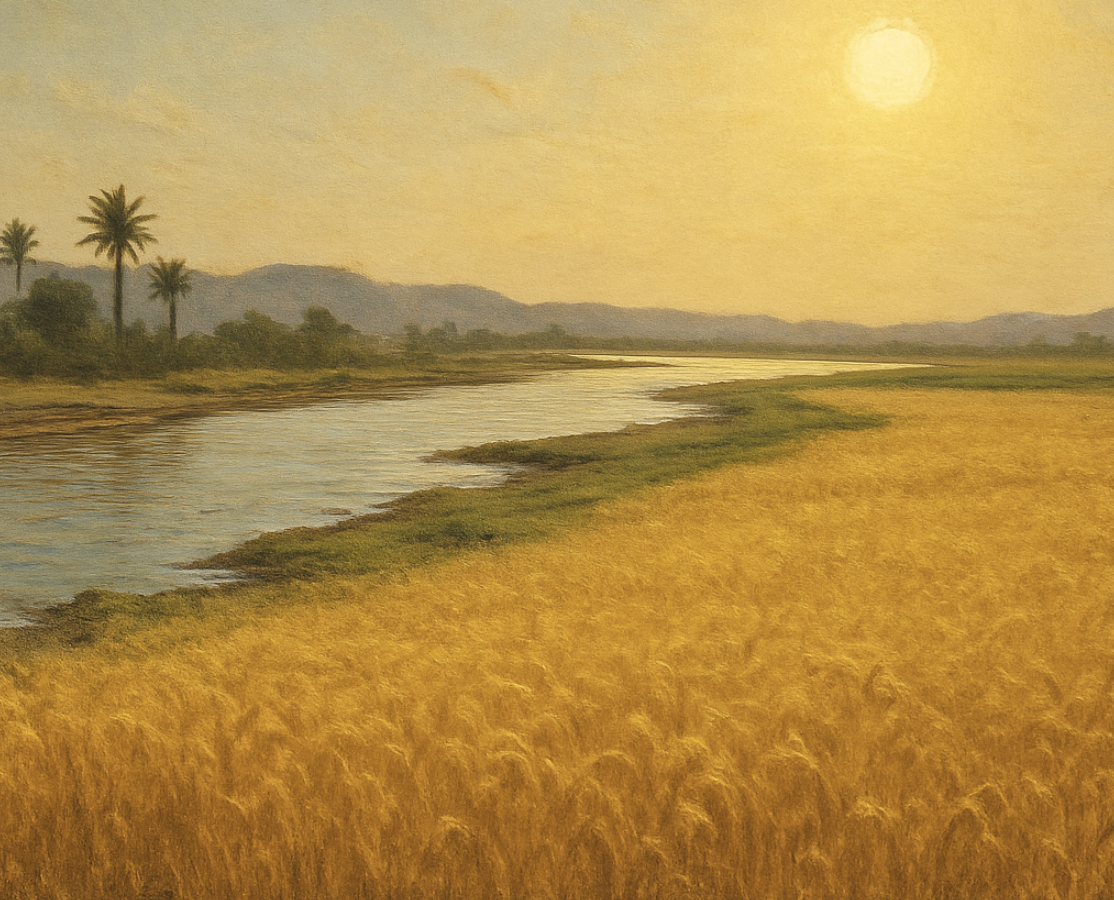
Shemu from Akhet season displays the actual operational methods of this civilization. The Akhet season transforms the river into a massive expanding waterbody. The Shemu season starts at which point? The Nile typically reaches its peak between early May and mid-June when it enters the critical "Low Water" stage. The Nile reduced its flow to its smallest water paths which left behind baked earth and ready-to-harvest golden wheat.
Your entire community would face extinction if this particular dry period did not occur. Economic activities in Egypt experienced rapid growth as water levels began to decline. Taxation required the stored harvested grain to function as currency which filled the storage area to its maximum capacity. Farmers needed more than sharp sickles to operate their business during high-stakes low-water periods because they needed divine protection against threats to their delicate storage facilities.
Meet the Harvest Protectors: Why Renenutet and Min Were the Secret to a Full Granary
Entering a grain silo which had not been cleaned resulted in people meeting Renenutet who was the goddess of harvests. Egyptians believed their gods existed as present deities who lived among their agricultural fields instead of distant celestial beings. Renenutet appeared as a dangerous cobra who protected sacred spaces by using her magical powers to frighten awayactual rodents that endangered the community's food supply.
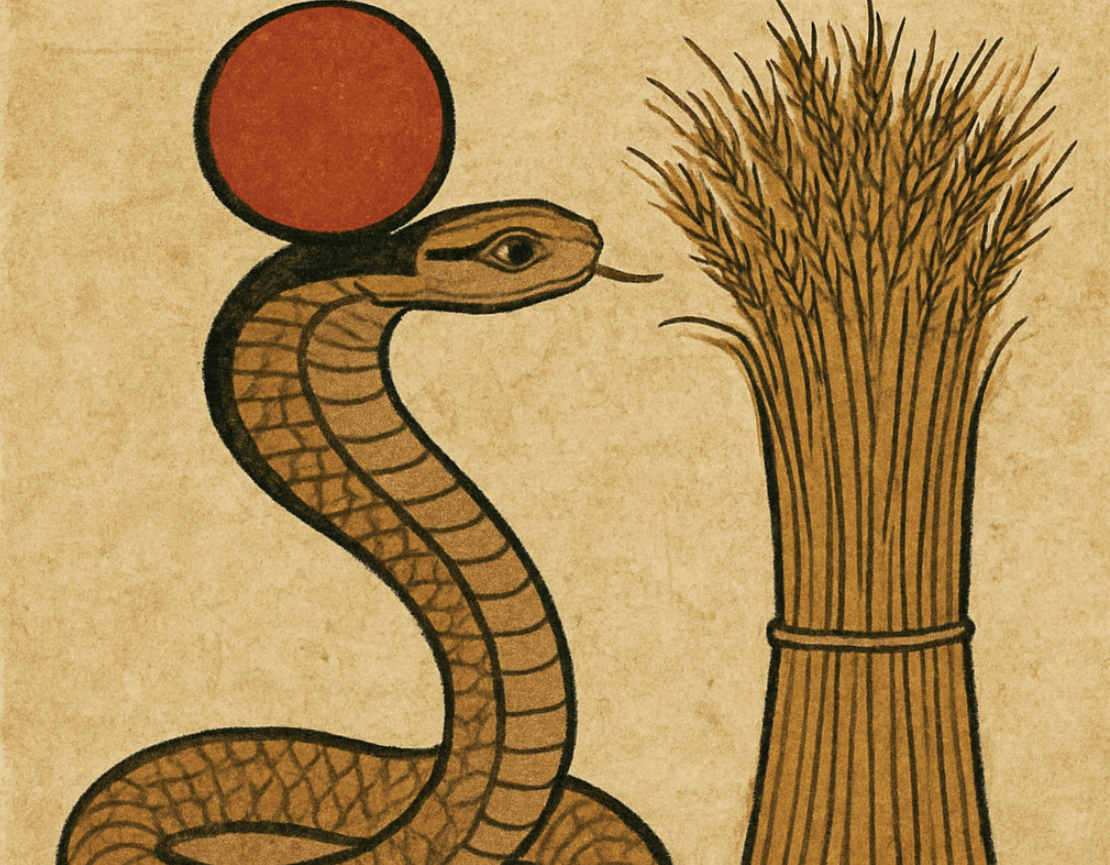
The essential blessing needed public demonstrations which began from the highest point in the empire. The Pharaoh performed his ceremonial duties when he entered the golden fields to execute the sacred "First Cut" of the wheat during the harvest ceremony. The royal work connected closely to Min worship which functioned as a sacred ritual to ensure farmers would produce crops until the summer solstice.
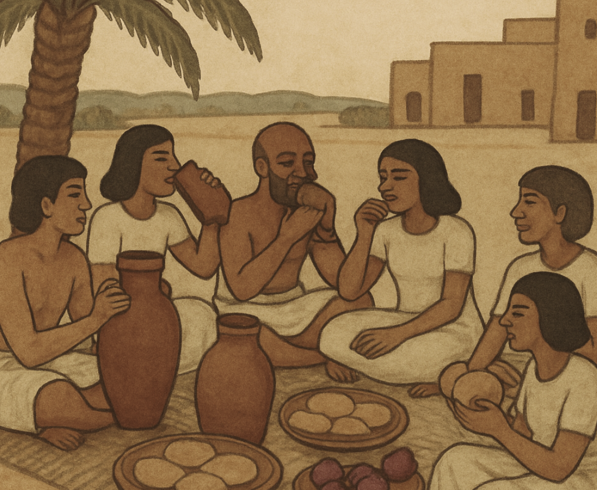
The intense labor changed into a joyful festival after the workers finished using their scythes. People assembled for the Festival of the Valley ceremonies which involved sharing freshly baked bread and beer to celebrate the life-giving harvest and their deceased ancestors. The grain needed to overcome one last challenge before it could be distributed which involved moving the grain from the field to the storage jar during the critical process of Egyptian grain measurement.
From Field to Jar: The High-Stakes Business of Ancient Egyptian Grain Measurement
The workers performed their main work duty in a field which received direct sunlight. Workers utilized a specific set of ancient Egyptian sickle and agricultural tools, relying on four essential implements to secure their harvest:
- The wooden sickle, which operators used to cut stalks, contains flint teeth that extend from its body.
- The winnowing fan operates by throwing wheat into the wind which allows the separation of grain from chaff.
- The measuring cord, which they used to determine land area, certified the exact area of harvested land.
- The scribe’s palette serves as a tool which carries ink for the purpose of documenting every basket.
Once gathered, the crop’s volume had to be determined, answering how was grain measured in the Old Kingdom. An educated official known as a scribe recorded the yields using a standard unit called the heqat—roughly equivalent to a modern gallon bucket. This meticulous accounting guided grain storage techniques in ancient Egypt, ensuring massive mud-brick silos were packed properly to prevent rot and deter pests.
Because society operated within a barter economy, these towering silos functioned exactly like modern national banks. The economic significance of the granary was absolute; a full jar represented literal currency used to pay taxes, trade for pottery, or hire local laborers. With the empire's wealth securely locked away, exhausted citizens could finally drop their tools and look forward to the ultimate harvest party.
Beer, Bread, and Banquets: How Ancient Egyptians Threw the Ultimate Harvest Party
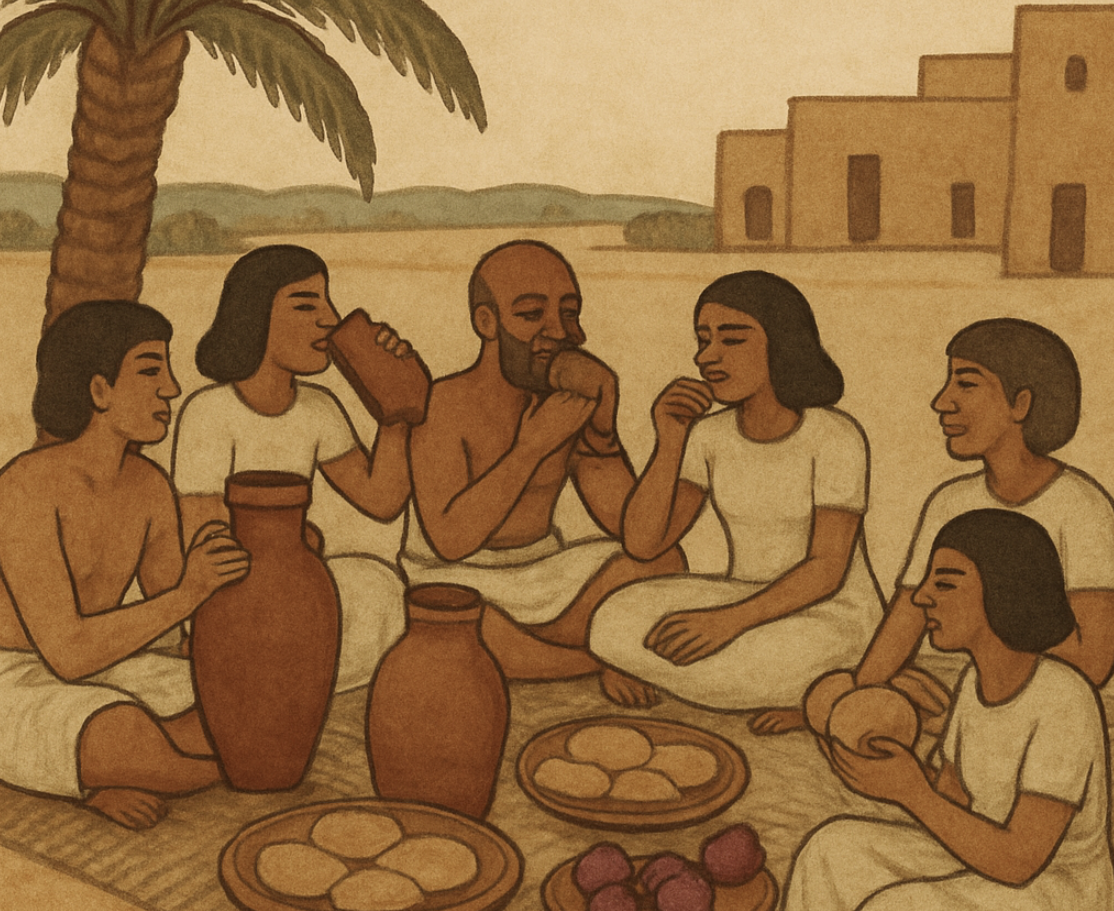
The village experienced overwhelming relief when the last grain basket reached its sealed position. A complete granary served as a lifesaving resource because low Nile water levels would bring about destructive crop failures that resulted in widespread famine. The Egyptian harvest festivities began when workers who had reached their limits exchanged their sickles for tools which created entertaining atmosphere that converted dry agricultural lands into massive festive celebrations.
Workers consumed excessive amounts of fresh flatbread which had strong odors from green onions and waterfowl that had been cooked. The thick sweet beer started to flow without restriction as musicians played lutes which caused people from nearby areas to join in traditional dining celebrations that involved shared meals. During Thebes summer solstice festivities which included the Beautiful Festival of the Valley families brought their extravagant food collections to desert tombs where they danced and drank to honor their ancestors.
The local population maintained their deep celebration of life because it had become part of their cultural identity. The ancient human desire to come together for singing and festive holiday celebrations eventually developed into contemporary customs.
From Ancient Fields to Modern Streets: How Shemu Lives on in Sham el-Nessim
The Shemu Festival in ancient Egypt established a continuous tradition that exists in today's world. The ancient Egyptian harvest season customs of sharing food and honoring the earth's bounty developed into the modern spring holiday of Sham el-Nessim which means "Smelling the Breeze."
Sharing spring onions among family members today represents a cultural tradition that has persisted for four thousand years. The actual essence of this ancient civilization extends beyond its stone pyramids because people need to stop working and connect with others to celebrate their achievements and the prosperity they have achieved.



-webp.webp "Hilton")
-webp.webp "dusit")
-webp.webp "Marriott Hotels")
-webp.webp "Azimut Hotel")
-webp.webp "Golden Tulip")
-webp.webp "sheraton")
-webp.webp "westin hotel")
-webp.webp "Movenpick")