
 English
 Italy
Italy
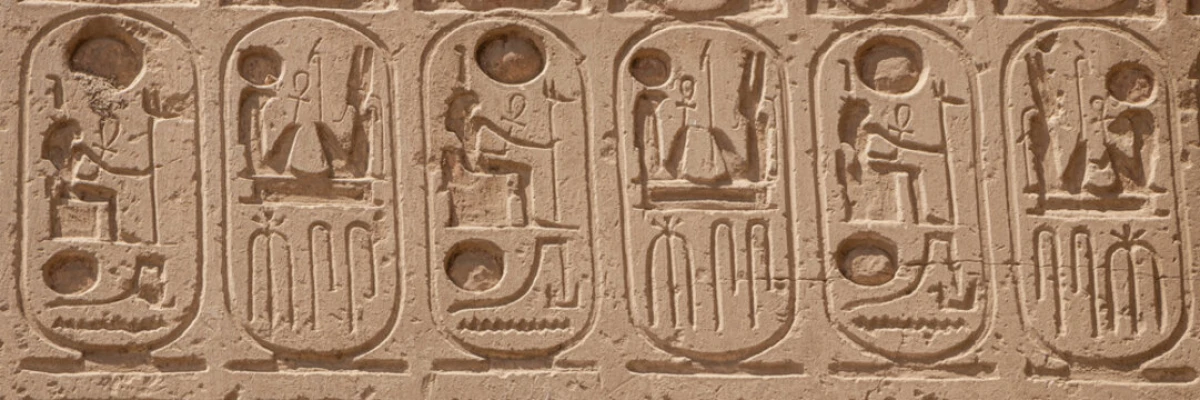
Royal Titles and Names of Ancient Pharaohs
The Divine Meaning of the Horus Name
The Horus Name is the oldest and most significant royal title in ancient Egypt, representing the first portion of the official name of every pharaoh, hence carrying significant symbolism. This would typically be displayed in a serekh, an oblong frame standing for a palace, with the image of Horus perched atop it. Through his Horus Name, the pharaoh essentially became viewed as being Horus himself, so that upon linking with divine authority, he would reflect the protector of the kingdom.
For example, King Narmer's Horus Name was "Horus the Conqueror of the Nomads," thus commemorating both his military achievements and his unification of Upper and Lower Egypt. Consequently, the Horus Name confirmed that the pharaoh was altogether deified in his kinghood, as his function was to lead, protect, and govern Egypt as its living representation. Visitors interested in learning more about the world of ancient Egyptian rulers can explore its major historical landmarks on a Cairo and Giza ancient Egyptian civilization tour.
Nebty Name as a Symbol of Divine Protection
The second royal name, or the Nebty Name, or "Two Ladies Name," connects the pharaoh to the goddesses Nekhbet and Wadjet. This name is thus a symbol of the pharaoh's divine protection by these mighty divinities. It also represents the ruling power over both Upper and Lower Egypt, thus symbolizing the nation's political unity.
The Two Ladies' Name was an affirmation of divine blessing and showed that the gods supported the royal principal at all times of governance. The name was inscribed onto the walls of temples, statues, and official edifices, to continually remind the citizens and officials that the ruler was spiritually endorsed by the gods. By displaying his name, the pharaoh was not merely consolidating his political supremacy. The name was also meant to bolster the sacred bond between the kingship and the divine world, thus providing the essential cover and legal foundation to his reign across Egypt.
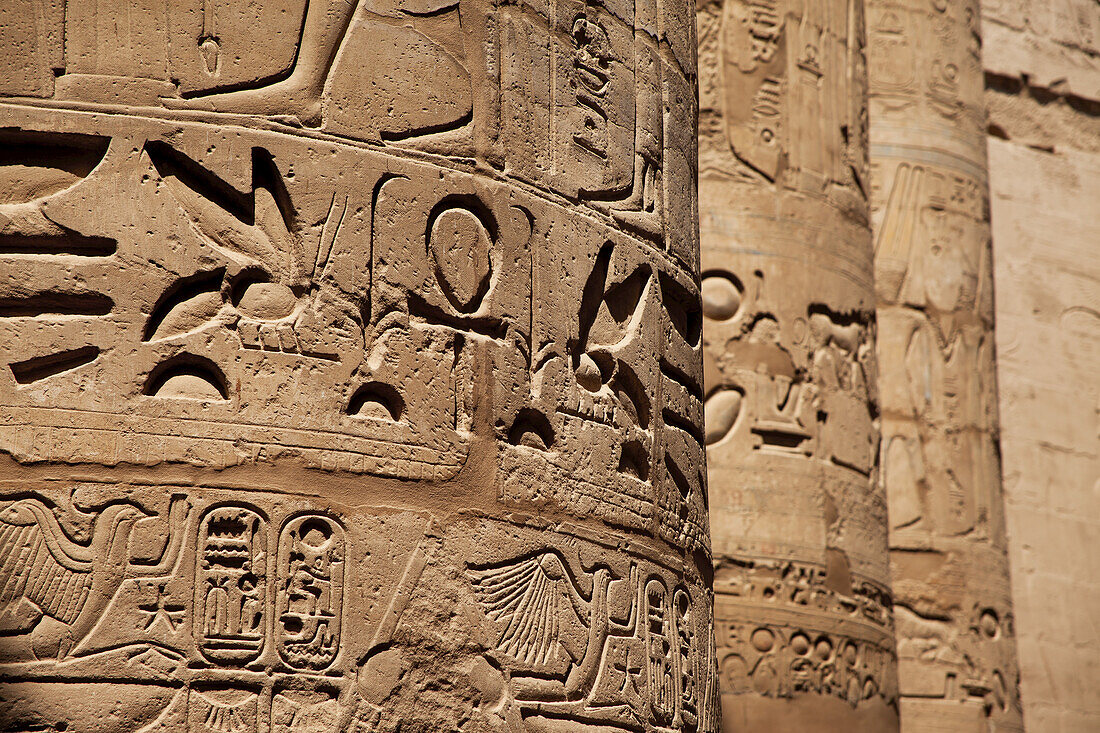
The Golden Horus Name, Eternity and Triumph
The Golden Horus Name was a wonderfully royal title that symbolized Horus with the religious symbol for gold, known as a metal of eternal sanctity. Gold applies to eternal life, the life of the sun, and the Gods themselves. It found every association with the abysmal powers and infinite divine blessing, coupled with the immune virtue of the pharaoh.
Based on the Golden Horus Name, the pharaohs were able to assert their victories already role of the nobility and thereafter of the religious namesakes. The titles "Horus, Strong Bull, Golden Horus" were assumed by King Djoser to be synonymous with his enormity, governance, and divine powers while overseeing the construction of the Step Pyramid. Visitors can explore the Step Pyramid along with other major ancient sites on a Giza Pyramids, Memphis and Saqqara tour.
Pharaoh's Birth Name and Meaning in Ancient Egypt
The name of birth, the fifth royal name of a pharaoh, was unmistakably his means of authenticating his personal essence; while so informal, it was of such significance due to its portrayal of him as the true "Son of Ra," establishing an immediate connection between the monarch and the sun god himself, further questioning the divine origins of the sovereign.
It was also the name with which he was to live each day as Pharaoh, nominated in official documents and private correspondence. Instantly, too, the title served to remind people of their ruler's divine descent, alongside political and religious power. To give an example, Ramses I was raised with the name Ramses, which was used during his reign, but the full pharaonic titles and his various connections truly indicated his identity as Egypt's Deity King. From a human perspective, as a Nomen, the name was the personal identity of the king, but as Son of Ra, it linked him to divine kingship.
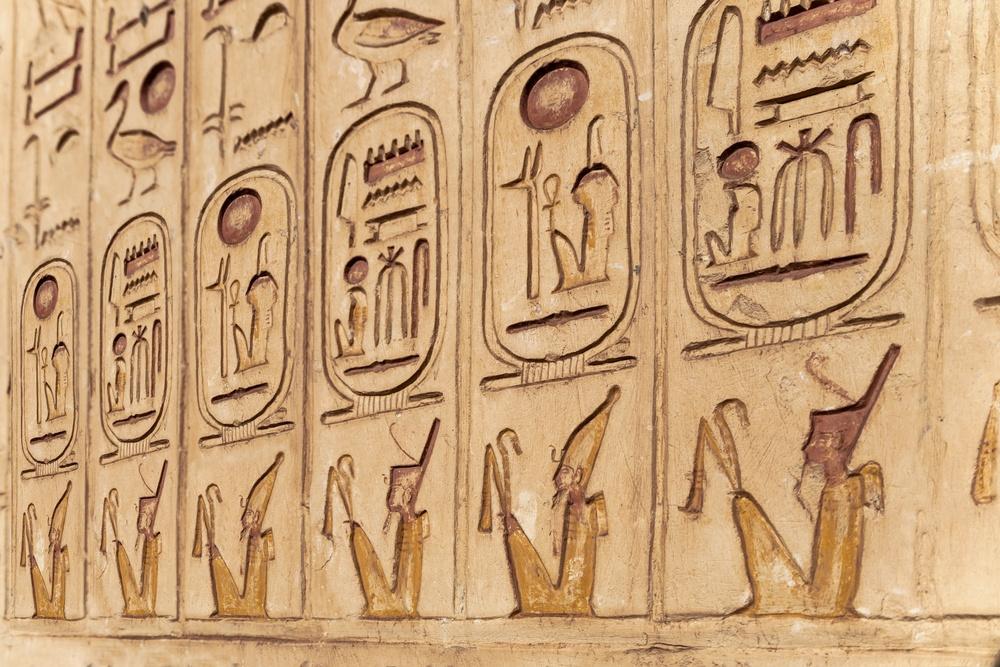
Additional Royal Titles: Power Beyond Names
Pharaohs used multiple titles which showed their different responsibilities as leaders and protectors and divine beings throughout their reigns. Their titles “Lord of the Two Lands” established their control over Upper and Lower Egypt while their title “High Priest of Every Temple” proved their complete religious authority which included responsibility for all temple rituals. The title “Son of Ra” affirmed their divine lineage, and “Beloved of [specific deity]” indicated special favor from a particular god, often Horus or Amun. Military titles like “Conqueror” and “Mighty Bull” showed the pharaoh's military strength and their function as national defenders. The combination of these titles served as a system that used symbols to display authority, religious devotion, and political power to people from both the home country and other nations.
Egyptian Kings’ Names Reflect Authority and Divinity
The names and titles of the pharaohs in medieval Egypt were a cabalistic complex composed for the presentation of royal power and divine imperatives. As is to be inferred from the various names bearing claims to the titles-Horus Name, Nebty Name, Golden Horus Name, and Birth Name-the king was conscious of himself as under divine commission for the realization of his mandate as a human ruler. In virtue of these titles, the king was seen as a living god responsible for the hearth and man, for guardianship of Ma'at, maintenance of order in the human world, and defense of his people.
To perpetuate the king's memory in history and the afterlife, their names were inscribed on temples, tombs, statues, and stelae. As regarded were the incorporation of military and religious responsibilities, stressing the king's image as the foremost protector of Egypt. Through a political system mingling with divine symbolism, superior power, and cosmic harmony, the names point to the means by which the pharaoh establishes cessation of time, spiritual domination, and immortality. This practice sheds light on the refinement of ancient Egyptian civilization.
Travelers who want to explore more of Egypt’s royal history can also take a Luxor day tour to discover ancient temples and monuments connected to the pharaohs.

-card_webp.webp "Giza Pyramids and Sakkara Tour")





-webp.webp "Hilton")
-webp.webp "dusit")
-webp.webp "Marriott Hotels")
-webp.webp "Azimut Hotel")
-webp.webp "Golden Tulip")
-webp.webp "sheraton")
-webp.webp "westin hotel")
-webp.webp "Movenpick")
