


The Ultimate Marsa Alam Travel Guide for First-Timers
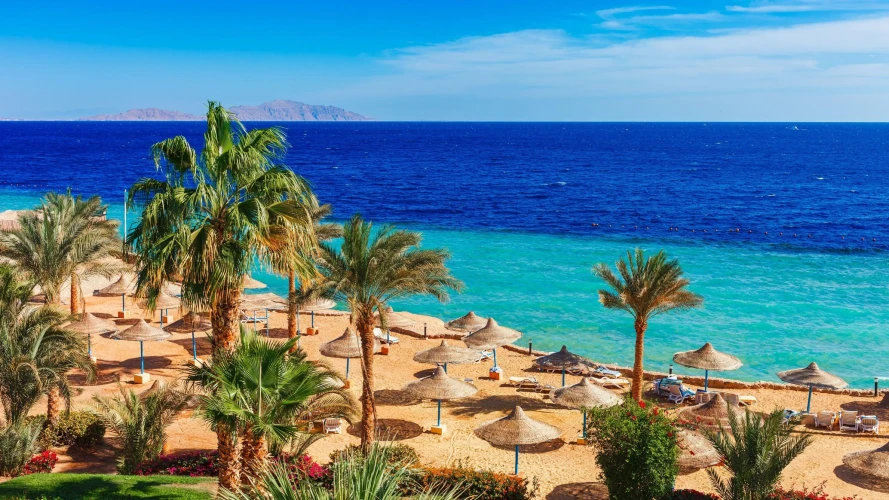
If you’re planning your first trip to Marsa Alam, you’re about to discover a side of Egypt that many travelers—even those who have been to Cairo or Hurghada—completely miss. For a long time, this coastal stretch was a secret kept by professional divers and soul-seekers. Today, while it’s becoming more accessible, it still feels like a frontier. It’s a place where the desert doesn’t just meet the sea; it embraces it. This guide is designed to help you navigate your first journey to the "Egyptian Maldives" with ease, courtesy of the local expertise at New Travel Dynamics.
Understanding the Vibe: What Makes Marsa Alam Different?
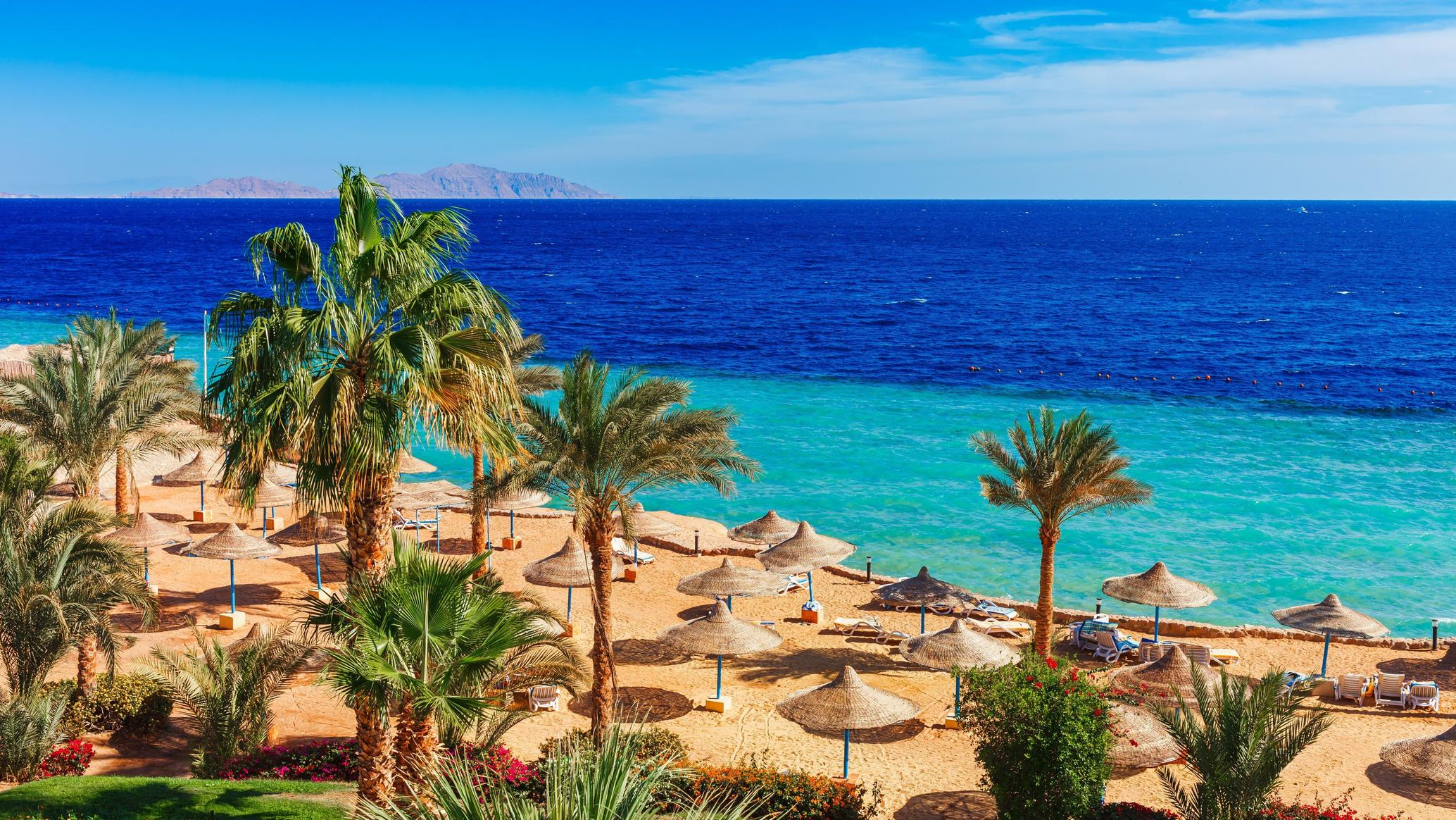
The first thing you need to realize is that Marsa Alam isn't a "city" in the traditional sense. Unlike Sharm El Sheikh or Hurghada, which are bustling urban hubs with central "downtown" areas, Marsa Alam is a 150-kilometer stretch of coastline dotted with independent resorts and hidden bays.
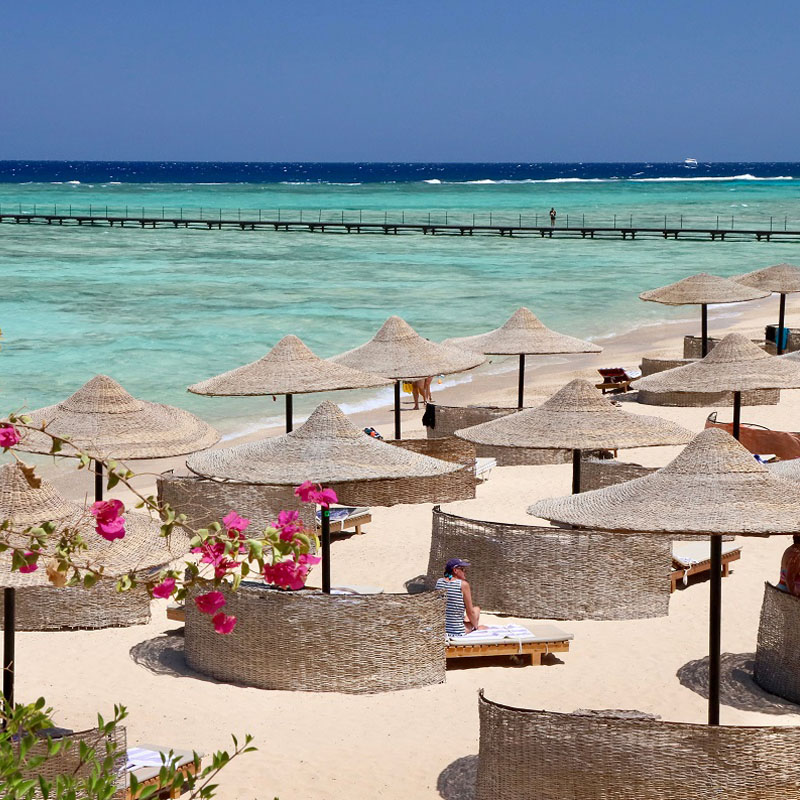
When you land here, the chaos of the world simply fades away. There are no crowded boardwalks or neon-lit malls. Instead, the luxury here is defined by space, silence, and an incredible proximity to nature. It’s a destination for people who want to wake up to the sound of the Red Sea, spend their days in the water, and their nights under a canopy of stars that you simply can't see anywhere else.
The Best Time to Visit: Timing Your Escape
Because Marsa Alam is located quite far south, it stays warmer than the northern Red Sea resorts during the winter.
-
The Sweet Spots (October to November & March to April): These are arguably the best months. The water is warm enough for long snorkeling sessions, and the air temperature is perfect—hot enough to feel like summer but not overwhelming.
-
The Winter Sun (December to February): This is a favorite for European travelers escaping the cold. While the evenings can get breezy and cool, the daytime sun is glorious. It’s the perfect time for desert safaris.
-
The Summer Heat (June to August): It gets hot—really hot. However, if you are a hardcore diver, this is a great time because the water is like a warm bath, and the marine life is incredibly active.
Diving and Snorkeling: The Heart of the Experience
You can't talk about Marsa Alam without talking about what’s under the water. If you don't snorkel or dive, you’re missing half of the magic.
Abu Dabbab Bay: Meeting the Residents
For your first trip, Abu Dabbab is a must. It’s one of the few places in the world where you can reliably see the Dugong (the rare sea cow). But even if the Dugong is playing shy, the giant sea turtles are almost always there, grazing peacefully on the sea grass. It’s a humbling experience to swim alongside a turtle that is likely older than you are.
Elphinstone Reef: For the Brave
If you’re a certified diver, Elphinstone is the "holy grail." It’s a deep-sea reef known for its dramatic walls and the chance to see Oceanic Whitetip sharks. It’s a high-adrenaline dive that requires experience, but it’s something you’ll be talking about for years.
Sataya Reef (Dolphin House)
Imagine a giant, turquoise lagoon in the middle of the open sea where hundreds of spinner dolphins come to rest and play. A boat trip to Sataya is often the highlight of any first-timer’s trip. At New Travel Dynamics, we always emphasize respectful interaction—we are guests in their home, and watching them glide through the water is a memory that sticks with you forever.
Beyond the Beach: Exploring the Eastern Desert
While the sea is the main draw, the desert in Marsa Alam is far from empty. It’s a landscape of rugged mountains and ancient history.
Wadi El Gemal National Park
This is one of Egypt’s largest and most beautiful protected areas. It’s not just sand; it’s a complex ecosystem. You can visit the ancient emerald mines—supposedly a favorite of Cleopatra—or explore the coastal mangroves that act as a nursery for marine life. A sunset dinner with the local Ababda Bedouins is the best way to end a day here, sipping "Gabana" (traditional coffee) while hearing stories of the desert.
Practical Tips for Your First Trip
-
Fly Direct if Possible: Marsa Alam has its own international airport (RMF). It’s much more convenient than flying into Hurghada and taking the three-hour drive south, though the drive itself is quite scenic if you don't mind the time.
-
Pack for the Sun and the Wind: The sun is incredibly strong here, even when it’s breezy. Bring reef-safe sunscreen to protect the coral. Also, a light jacket for the evenings is a good idea, as the desert wind can get chilly after dark.
-
Currency and Connectivity: While resorts accept cards and major currencies, having some Egyptian Pounds (EGP) is helpful for small tips or local purchases. Pick up a local SIM card at the airport if you need constant high-speed data, as resort Wi-Fi can sometimes be limited to the lobby area.
-
Stay Hydrated: The dry desert air can sneak up on you. Drink plenty of water throughout the day, especially if you’re spending hours in the salt water.
Why Book Your First Trip with New Travel Dynamics?
Planning a trip to a destination as spread out as Marsa Alam can be tricky for first-timers. How do you choose the right bay? Which boat trips are actually worth the money?
That’s where we come in. At New Travel Dynamics, we don’t just book your hotel; we curate your experience. We know which resorts have the best "house reefs" (reefs you can swim to directly from the beach) and which guides are the most knowledgeable about the local wildlife. We handle the logistics—from airport transfers to private desert excursions—so that your only job is to soak in the beauty of the Red Sea.
The Final Verdict
Marsa Alam is a place that rewards the curious. It’s for the traveler who wants to trade the noise of the city for the song of the sea. It’s a destination that stays in your heart long after the sand has been washed from your shoes. If you’re looking for your next great adventure, the "Egyptian Maldives" is waiting, and we’re here to help you discover it in the most authentic way possible.



-webp.webp "Hilton")
-webp.webp "dusit")
-webp.webp "Marriott Hotels")
-webp.webp "Azimut Hotel")
-webp.webp "Golden Tulip")
-webp.webp "sheraton")
-webp.webp "westin hotel")
-webp.webp "Movenpick")