


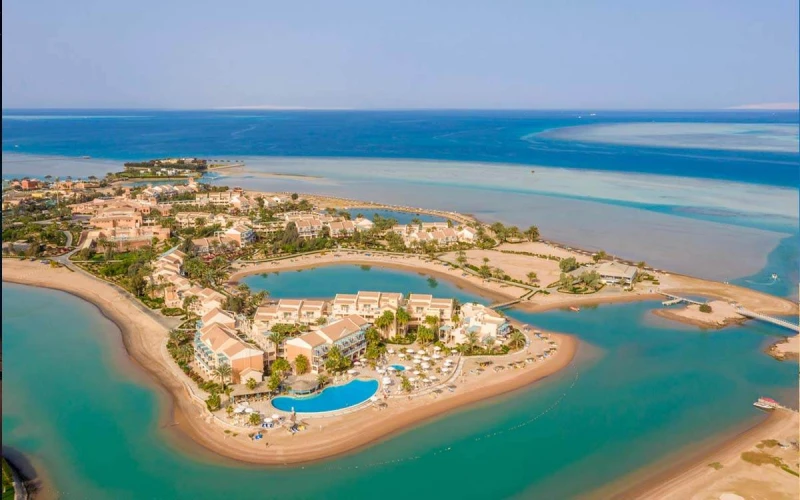
Best Fishing Spots in Hurghada: Giftun, Abu Ramada & El Arouq
.webp)
If you've ever spent time in Hurghada, you already know the place has a way of pulling you in. Most people come for the beaches and the diving, and there's nothing wrong with that. But ask any local fisherman where he spends his weekends, and you'll quickly realize there's a whole other side to this city that most tourists never discover. The Red Sea off Hurghada is genuinely one of the best fishing grounds in the entire region, and if you know where to go, the experience is hard to forget.
Three spots in particular keep anglers coming back season after season — Giftun Island, Abu Ramada Reef, and El Arouq. They're different from each other in almost every way, but they share one thing in common: the fishing is exceptional.
Why the Red Sea Around Hurghada Fishes So Well
It's worth saying upfront that not all Red Sea locations are created equal. The stretch of water around Hurghada happens to benefit from a combination of factors that you don't always find together in one place.
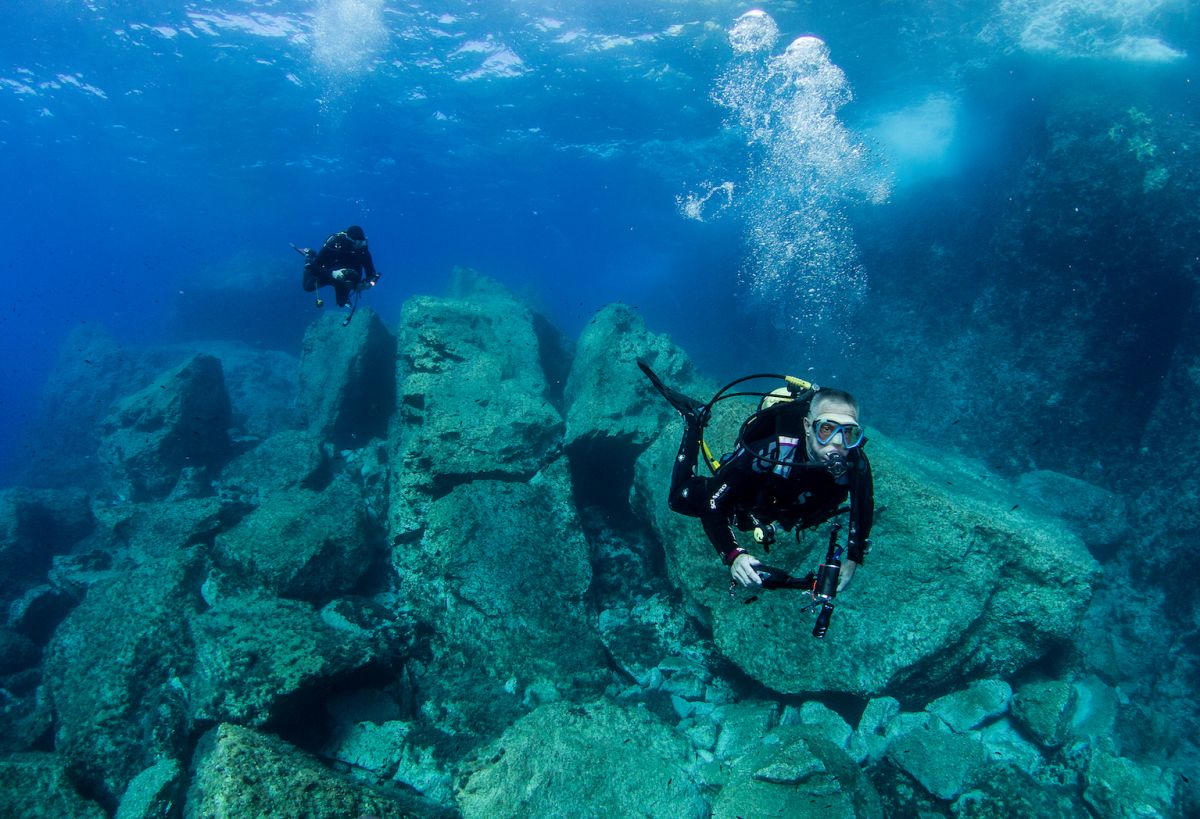
The water here is warm year-round, which keeps fish active even in the winter months when other destinations slow down completely. Visibility is extraordinary — you're regularly looking at 20 meters or more on a calm day — which means the underwater structure is visible and the marine life is incredibly healthy. The reef systems haven't been hammered the way they have in more heavily fished parts of the world, so the ecosystem is still functioning the way it should. Predator populations are strong because the baitfish populations are strong, and that's ultimately what every fisherman is looking for.
Giftun Island — Where Most People Start, and Keep Returning To
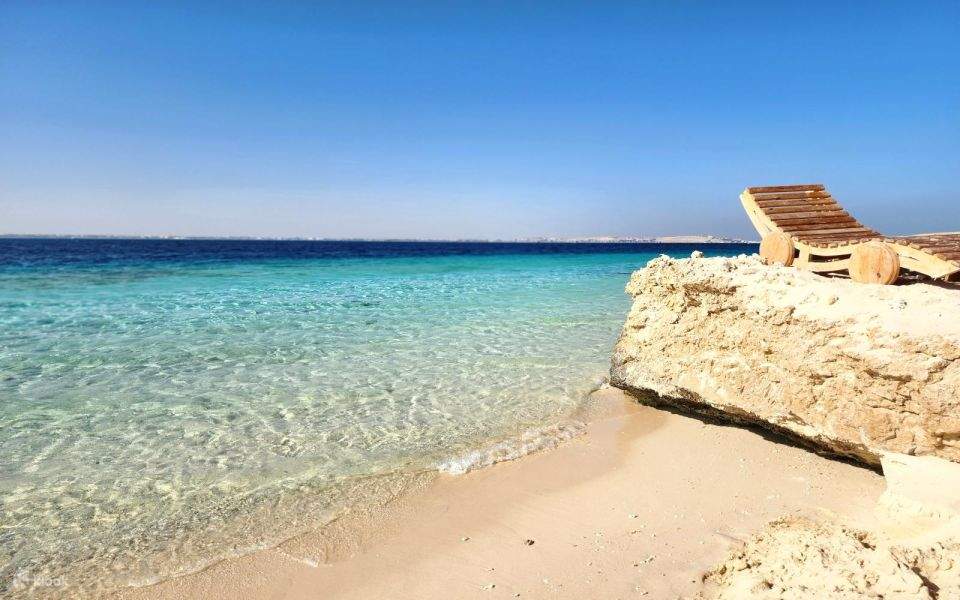
Giftun sits about 10 kilometers offshore from the main Hurghada coastline, and the boat ride out there on a clear morning is something special in itself. The island — actually two islands, Big Giftun and Small Giftun — sits inside a national park, which means the reef around it has been protected for long enough that the marine life is noticeably richer than what you find closer to shore.
The Fish
The outer reef edge at Giftun is where the pelagic action happens. Yellowfin tuna are the headline catch for most anglers, and when they're running, the strikes are violent enough to make you seriously reconsider whether your drag is set correctly. Wahoo show up consistently, and there are few fish in the Red Sea that test your tackle the way a fast wahoo does on the run.
Giant trevally are another story entirely. They're not the most glamorous fish to target, but anyone who has fought a large GT at Giftun knows exactly why experienced fishermen get obsessive about them. They hit hard, they don't give up, and they use the reef structure against you if you let them.
How It Works Practically
Most charters leave the marina before sunrise to reach Giftun at first light, which is when the surface feeding activity is at its most intense. Trolling the outer reef edge works well for tuna and wahoo, while dropping live bait near the reef structure is the more reliable approach for GT and amberjack. Half-day trips are possible, but if you're making the journey out to Giftun, a full day gives you time to properly work the different sections of the island.
Abu Ramada Reef — The Spot Serious Anglers Don't Always Talk About
Abu Ramada doesn't get the same publicity as Giftun, and honestly, the fishermen who know it well seem fairly happy keeping it that way. The reef sits between Giftun and the mainland, and what makes it worth the trip is the underwater landscape. The reef drops from shallow coral into genuinely deep water over a short horizontal distance, which creates the kind of structure that concentrates fish at multiple depths simultaneously.
The Fish
Grouper fishing here is as good as anywhere in the Hurghada region. The coral walls and deeper ledges hold coral grouper and giant grouper in numbers that might surprise you if you haven't fished structure like this before. Red snapper and emperor fish are reliable targets too, and both fight well enough to keep things interesting even when the bigger grouper aren't cooperating.
The deep-drop fishing at Abu Ramada deserves a mention of its own. For anyone willing to put heavier gear into 60 to 100 meters of water, large sea bream and other deep-dwelling species show up in the kind of size that puts a serious bend in a rod. It requires patience and the right setup, but it's a style of fishing that Abu Ramada genuinely rewards.
Why It Stays Productive
The position of the reef as a mid-water structure means it acts as a natural gathering point for baitfish throughout the day. Even during slow periods when the bigger species aren't cooperating, there's almost always something feeding at Abu Ramada. Anglers rarely leave completely empty-handed, which sounds like a small thing until you've had a long day offshore with nothing to show for it.
El Arouq — Further Out, Bigger Fish, Better Stories
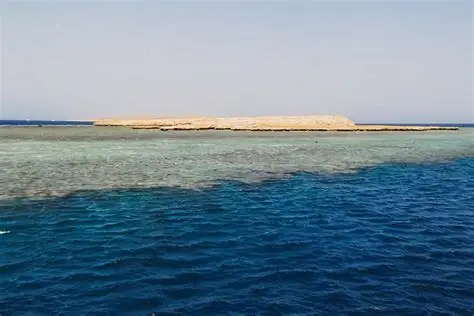
El Arouq is the one that requires a full commitment. It sits further offshore than either Giftun or Abu Ramada, and that extra distance from the coastline is precisely why the fishing is different out there. You're in open water, away from the sheltered reef environment, and the species mix reflects that completely.
The Fish
Mahi-mahi are the fish most people associate with El Arouq, and for good reason. They show up around floating debris and weed lines in open water, and their strikes are spectacular — fast, aggressive, and usually followed by a jump that makes everyone on the boat forget what they were doing a moment before. For pure entertainment value, mahi-mahi fishing at El Arouq is hard to beat.
Barracuda appear in large schools here, sometimes pushing baitfish to the surface in the kind of feeding frenzy that experienced anglers dream about. Trolling through one of those surface blitzes with the right lure produces multiple hookups and a level of chaos that makes for great stories afterward.
Sailfish and marlin are the top of the pyramid at El Arouq, and while they're not guaranteed catches, they're realistic possibilities during the right seasons. Anyone seriously targeting billfish in the Hurghada area should focus their efforts here.
Planning an El Arouq Trip
Leave before sunrise — this isn't optional. The extra travel time to reach El Arouq means you need to be moving well before first light to arrive during the productive early morning window. Full-day trips only make sense out here; anything shorter doesn't give you enough time on the water to properly fish the area. Trolling with artificial lures handles the mahi-mahi and barracuda well, while keeping a live bait rod in the water throughout the day covers the possibility of something larger showing interest.
A Few Things Worth Knowing Before You Go
Pick a charter that specializes in fishing. Plenty of operators in Hurghada run multi-purpose boats that do snorkeling in the morning and claim to fish in the afternoon. That's fine for casual trips, but if fishing is the actual priority, find someone whose entire operation is built around it.
Early morning is not a suggestion — it's the difference between a memorable day and a frustrating one. The best feeding windows on all three of these spots happen in the first two hours of daylight, and you simply can't replicate that later in the day no matter how long you stay out.
The sun on open Red Sea water is genuinely punishing. Polarized sunglasses, proper sun protection, and something to cover your arms will make the experience significantly more enjoyable by the afternoon.
The Red Sea
Giftun, Abu Ramada, and El Arouq cover the full range of what Red Sea fishing looks like around Hurghada — reef fishing, structure fishing, and open-water big game, all within reach of the same marina. The city gets plenty of attention for other reasons, but for anyone who fishes, this is the part of Hurghada that genuinely deserves the reputation.
The Red Sea is one of those places where the fishing matches the setting — and around Hurghada, both are remarkable.




-webp.webp "Hilton")
-webp.webp "dusit")
-webp.webp "Marriott Hotels")
-webp.webp "Azimut Hotel")
-webp.webp "Golden Tulip")
-webp.webp "sheraton")
-webp.webp "westin hotel")
-webp.webp "Movenpick")
