


The Stone Heart of Egypt: Why Gebel el-Silsila is the Dahabiya’s Crown Jewel
Gebel el-Silsila is not just a temple site; it is the birthplace of the Egyptian skyline. For over 3,000 years, this was the empire’s most vital sandstone quarry. From the New Kingdom onwards, the stone that built Karnak, Luxor, Edfu, and Kom Ombo was cut from these very cliffs.
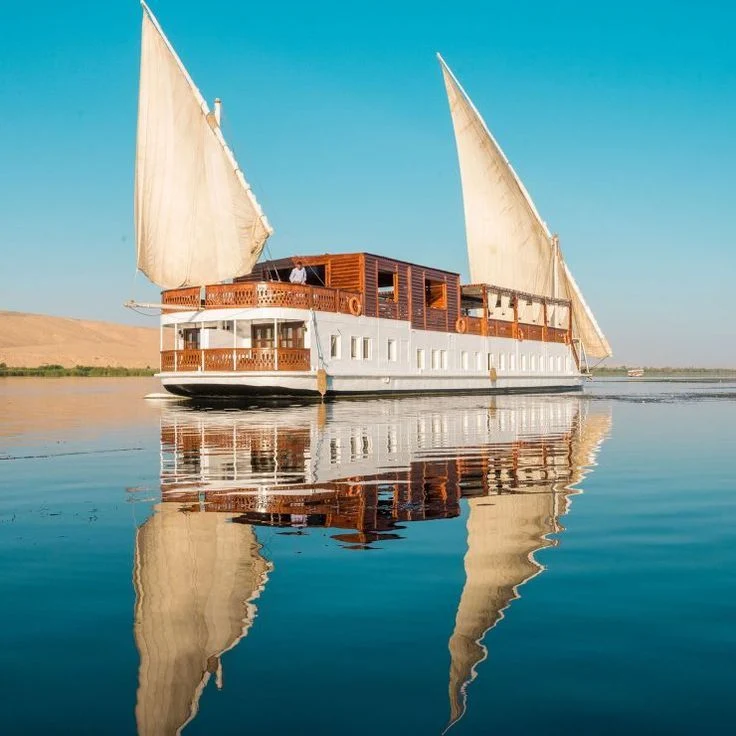
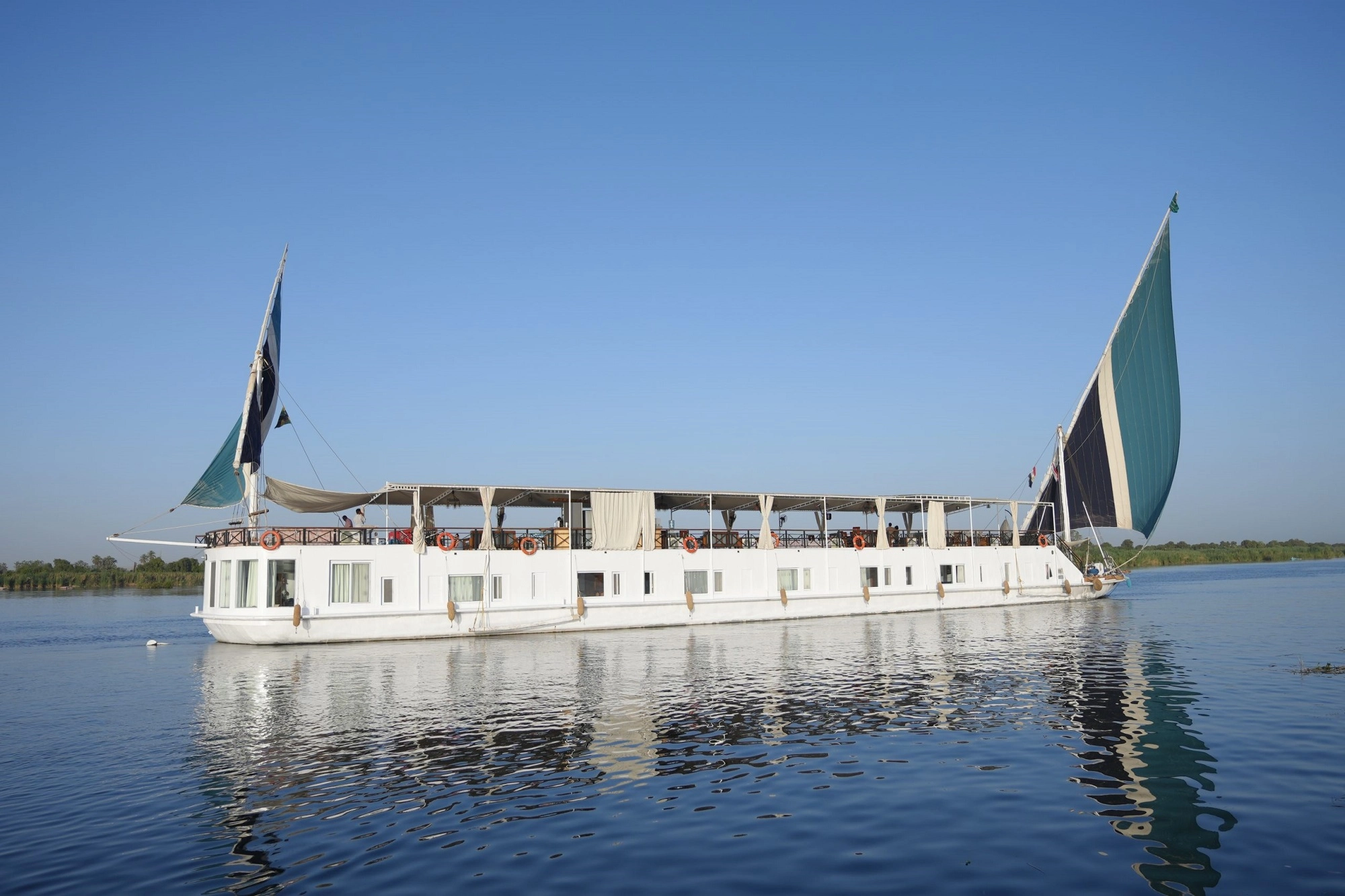
We look upon Gebel el-Silsila as the "soul" of our 2026 cruises at Dynamics Travel. As guests sailing on one of our luxury Dahabiya Nile cruises this largely overlooked treasure is a match for all demands: uniqueness, history, authenticity. For people on an itinerary on an Egypt Nile Cruise not everything is defined by Pharaonic icons, Gebel el-Silsila is for the connoisseur, a place for those seeking more of the Nile's history. This is why it must be on every itinerar
1. The Geometry of Silence: A Technical Advantage
Large Nile cruises cannot dock at Gebel el-Silsila due to the narrowness of the river and the lack of deep-water infrastructure. The "Mountain of the Chain" (as its name translates) creates a dramatic bottleneck where the desert cliffs squeeze the Nile to its tightest point.
-
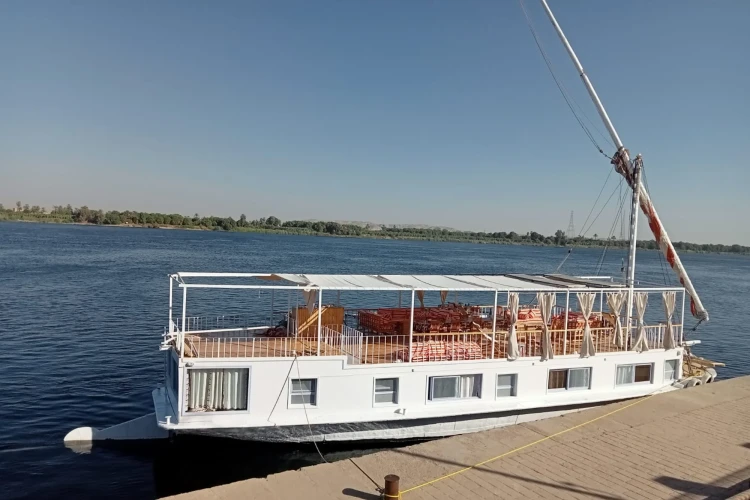
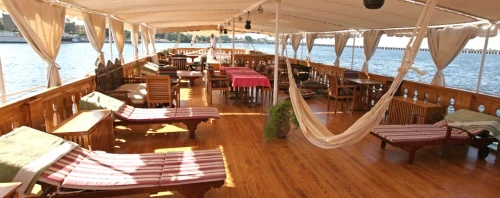
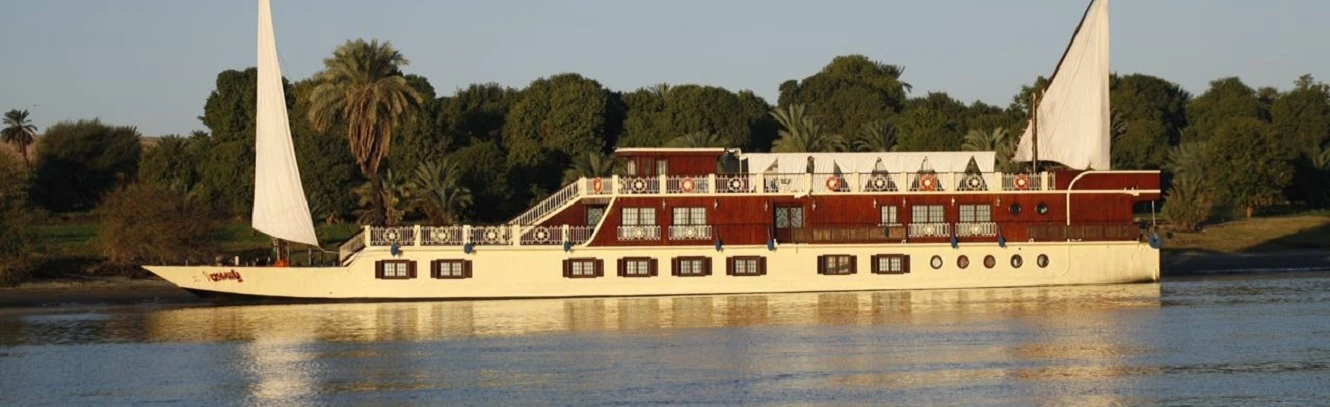
Direct Access: A Dahabiya anchors just feet from the monuments. You step off the wooden deck and immediately find yourself in a forest of ancient chisel marks.
-
Solo Exploration: Because the "Big Boats" stay away, you often have the entire site—a sprawling 35-square-kilometer archaeological zone—to yourself. In the busy 2026 season, this level of isolation is the ultimate luxury.
2. The Speos of Horemheb: A Rock-Cut Masterpiece
The highlight of the western bank is the Speos (Rock-Cut Temple) of Horemheb. Carved directly into the sandstone, this sanctuary was dedicated to seven deities, including Sobek, the crocodile god and "Lord of Kheny" (the ancient name for Silsila).
-
Vibrant Details: Unlike the heavily weathered outdoor temples, the interior reliefs here retain a startling sharpness. You can still see the fine lines of the offering scenes and the seven seated statues in the innermost sanctuary.
-
The "Dynamics" Perspective: Our private Egyptologists focus on the human side of this temple—pointing out the "worker graffiti" and the votive stelae left by ancient quarrymen, bridging the gap between the divine pharaohs and the people who actually built the empire.
3. The Industrial Archaeology of the New Kingdom
While most tourists look at finished temples, Silsila allows you to see the process.
-
The "Unfinished" Story: You can see columns halfway emerged from the stone and blocks that were abandoned due to a fissure. It is a massive, outdoor workshop that reveals the engineering genius of the 18th and 19th Dynasties.
-
The Cenotaphs: The cliffside is dotted with small, personal rock-cut shrines belonging to high-ranking officials. Exploring these "pockets of history" feels like a private discovery rather than a standard tour.
Comparison: The Silsila Experience in 2026
| Feature | The Dahabiya Way | Standard Nile Cruise |
| Docking | Directly at the cliffside | Impossible (Sails past at 15 knots) |
| Crowd Density | 12 – 20 guests maximum | Zero (Passengers only see it from afar) |
| Time Spent | 3–4 hours of unhurried walking | 0 minutes |
| Vibe | Atmospheric, quiet, scholarly | Industrial and rushed |
4. The "Golden Hour" on the East Bank
While the West Bank holds the famous Speos, the East Bank contains the massive Roman-era quarries. We often schedule our moorings so that couples can enjoy a walk through these towering sandstone "rooms" during the golden hour.
-
Acoustic Intimacy: The high walls of the quarries create a natural amphitheater. The silence here is heavy and meditative—perfect for a "digital detox" moment.
-
The Photographer’s Dream: For our style-focused travelers, the way the late-afternoon sun hits the golden sandstone walls provides the most dramatic light on the entire river.
5. Why it Matters for 2026
With the 2026 launch of new high-speed travel links making the rest of Egypt more accessible, the value of Slow Travel has skyrocketed. Gebel el-Silsila is the antithesis of the "check-list" vacation. It is a site that requires you to slow down, listen to the river, and touch the stone.
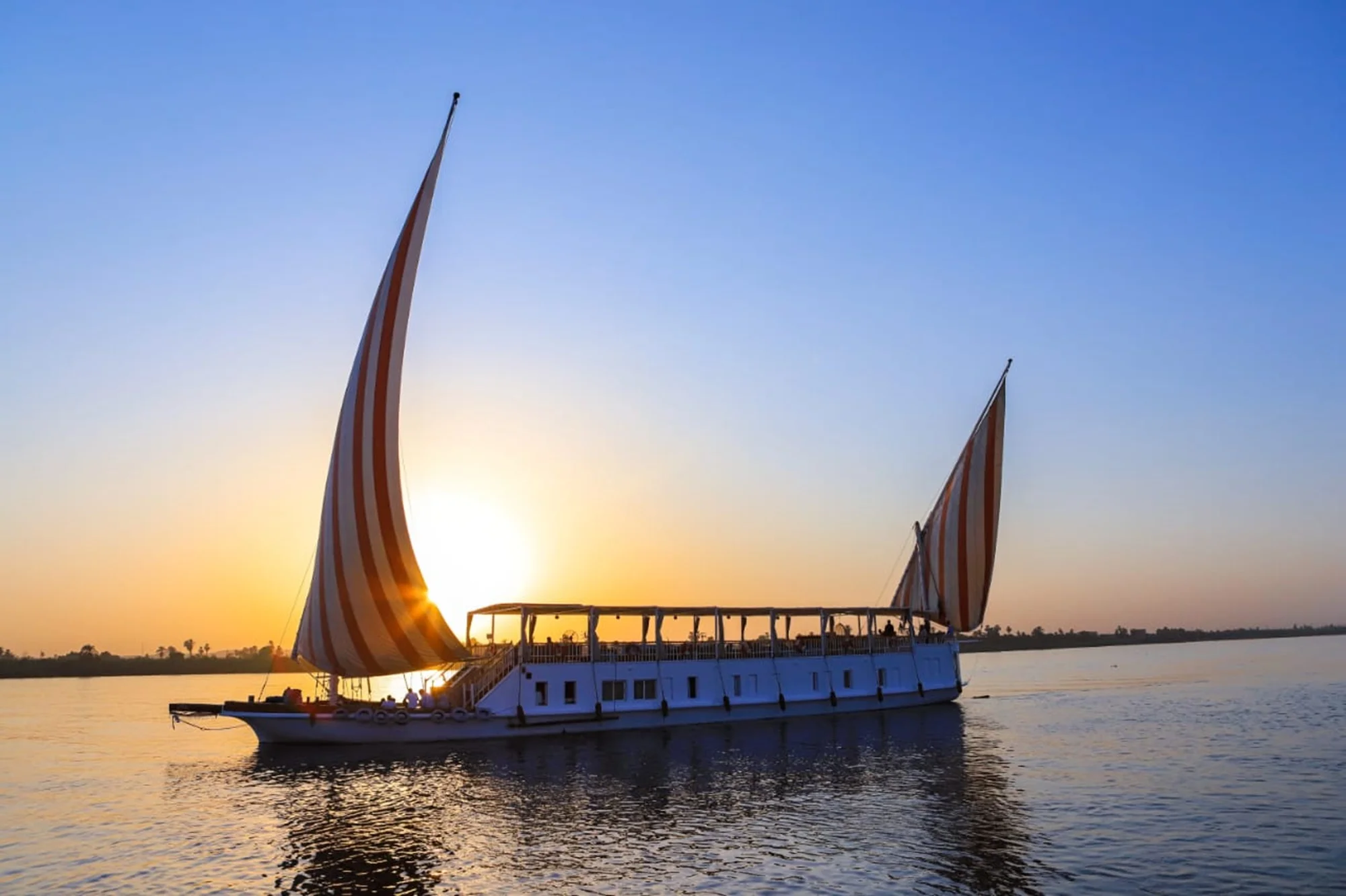
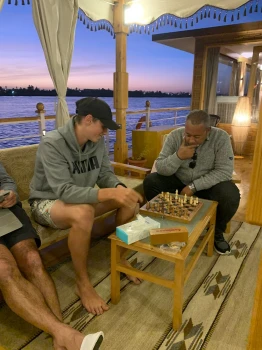
At Dynamics Travel, we don't just "stop" at Silsila; we curate a sunset tea on the deck immediately following your visit, allowing you to watch the same golden cliffs that ancient builders watched thousands of years ago
-webp.webp "Dahabiya Nile View")





-webp.webp "Hilton")
-webp.webp "dusit")
-webp.webp "Marriott Hotels")
-webp.webp "Azimut Hotel")
-webp.webp "Golden Tulip")
-webp.webp "sheraton")
-webp.webp "westin hotel")
-webp.webp "Movenpick")