


Discover Garbage City & Cave Church
Discovering Garbage City: Cairo’s Hidden World
A location which functions as a sanctuary exists beyond the Cairo boundary. This area includes streets which form a maze system and contains abandoned objects which people throw away. The local community of this area creates their existence through the collection of waste materials which people discard. The area known as Garbage City which local residents call Mokattam serves as a hidden destination which reveals the most remarkable aspects of human survival and creative thinking. The people of Garbage City lead their lives through the process of waste recycling which creates an unbroken connection between their everyday activities and their faith-based functions.
Visitors to Garbage City experience both its overwhelming nature and its enchanting qualities. The street paths which you walk through show multiple trash mountains which create a waste-filled environment. The Coptic Christian community forms the main residential group in this area which operates as a system of unorganized waste collection and recycling activities. The group processes waste materials which include metals and plastics and paper. The community depends on recycling activities which serve as their primary economic system while showcasing human creativity.
The area known as Garbage City creates an impression of economic hardship and social hopelessness yet it possesses an energetic atmosphere. Children play among the piles of recyclables, vendors shout out deals for scraps, and families live in tightly knit homes that contrast sharply with the chaos around them. The area known as Garbage City provides an authentic and unpolished representation of Cairo street life which people cannot find in any other location.
The Spiritual Heart: Cave Church of St. Simon
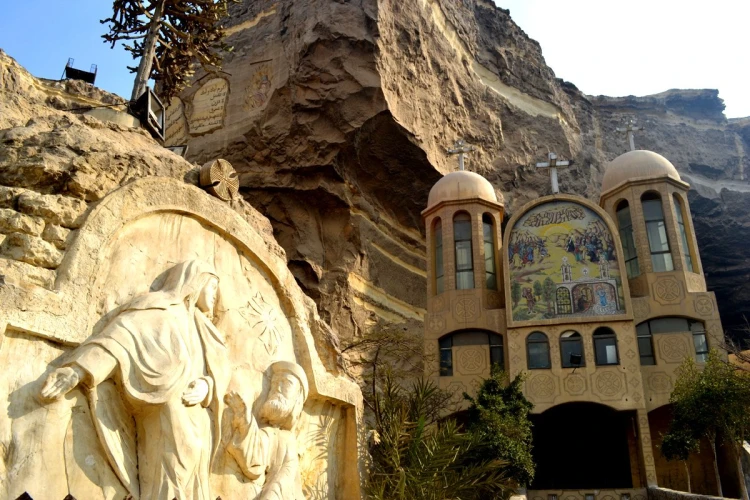
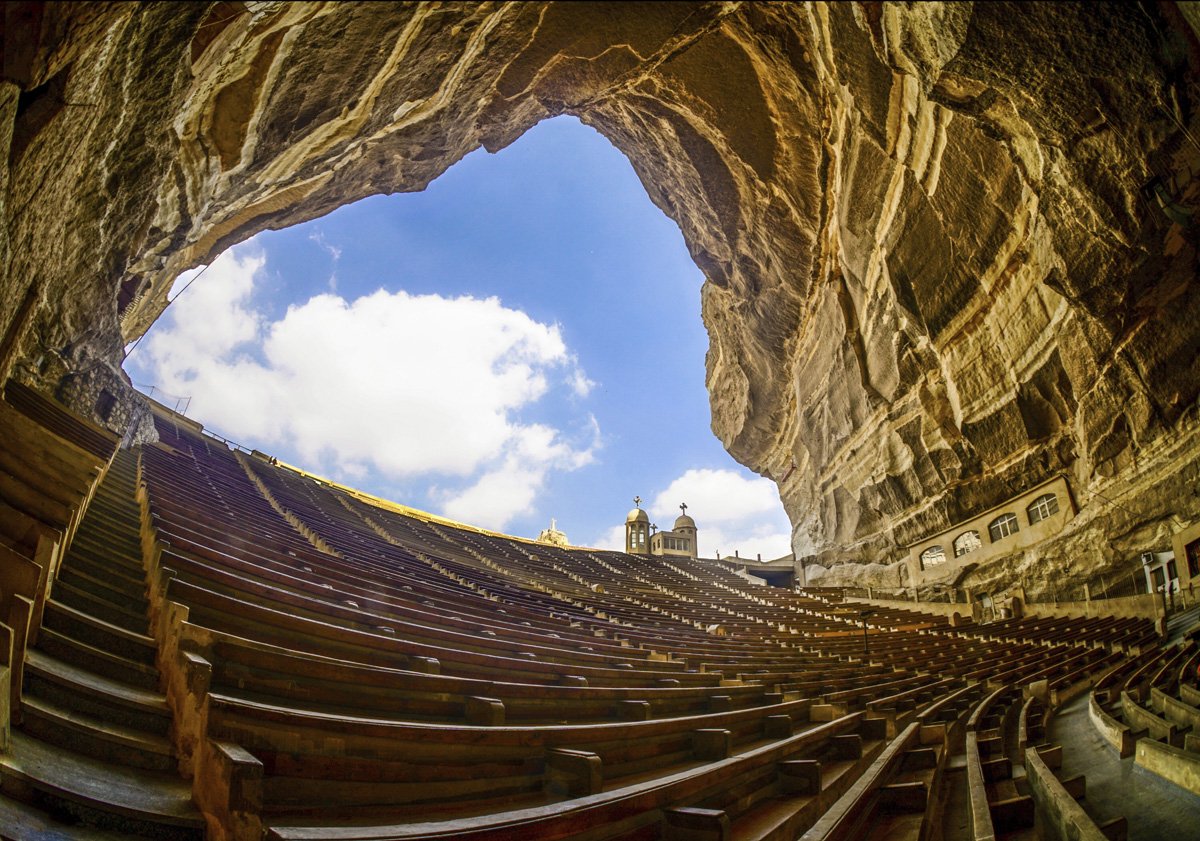
The Cave Church of St. Simon stands as one of Cairo's most impressive religious sites which rises above the surrounding area of discarded materials. The monumental church which local people built shows their faith and dedication through its construction on Mokattam cliffs. The Monastery of Saint Simon is the largest church in Middle Eastern countries which can accommodate numerous worshippers at once.
The Cave Church stands as an architectural wonder which reflects both religious faith and devotion. The entrance appears simple from the exterior, but inside the building visitors discover high ceilings which display detailed wooden designs and show colorful murals of biblical stories. Small windows cut into the rock allow light to enter the area, creating an atmosphere of peaceful illumination. People who visit the space as pilgrims or tourists experience an overwhelming feeling of peace when they see the huge space which differs from the loud noise of the streets outside.
The church holds strong importance because it serves as a vital link to the Garbage City neighborhood. Local residents built the church through their work and financial contributions, and they still help maintain the building today. The site serves as both a place of worship and a beacon of hope and strength which shines over an area that shows both struggles and human determination.
Experiencing the Community: More Than a Tourist Spot
Visiting Garbage City and the Cave Church is not just about sightseeing—it’s about understanding a living, breathing community. The site functions as a tourist destination because its pathways and its buildings provide visitors with complete access to its historical narrative. Visitors are often welcomed into homes and workshops, offered tea, and invited to witness the daily operations of recycling businesses. The experiences show how a marginalized community maintains its existence through work while developing its identity through religious belief.
Local residents lead guided tours which explore the historical and cultural and spiritual elements of the region. The visit becomes more meaningful when you understand the difficulties that waste collection families must overcome to survive. You leave not just with photographs but with a deeper understanding of human resilience and faith and creative human expression.
Photography and Cultural Insights
The garbage dump and the cave church provide photographers and cultural researchers with unlimited possibilities to explore their work. The vibrant discarded materials which create trash piles develop visual stories that compete with the peaceful elegance of the cave church. The street life which creates active street scenes together with the church's peaceful interior space provides travelers with an uncommon view of Cairo that guidebooks fail to show.
Visitors must show respect when approaching this place because it serves as a working community space. The tourism experience becomes better through resident interactions together with permission-based photography and local tradition education.
Tips for Visiting Garbage City and Cave Church
The experience of Garbage City improves through proper preparation because the initial impression of the area creates a dangerous atmosphere. Visitors need to wear comfortable shoes because the route includes uneven surfaces and they should bring water to handle the high temperatures of Cairo. The area requires guided tours because they protect visitors and provide them with real cultural and historical understanding of the region.
The Cave Church serves as the emotional peak of the trip experience. Visitors should attend service times to experience the complete spiritual atmosphere, although they can also visit during quiet times. Both the community and the church request visitors to dress modestly.
Why Garbage City is a Must-See
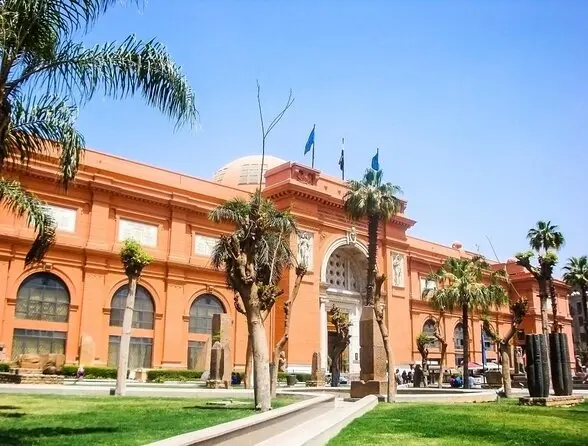
Travelers to Cairo visit the Pyramids and Egyptian Museum. But Garbage City and the Cave Church present a unique experience that shows how a community turns difficult situations into success through its religious beliefs which they turned into great architectural accomplishments. The neighborhood demonstrates how people can overcome challenges through their creative solutions and their ability to work together as a community.
Visitors to Garbage City experience a deep connection through their path which starts with their walk through the city and ends at the Cave Church. The statement shows how beautiful things and innovative ideas and spiritual experiences can develop in unexpected locations.
Conclusion: A Journey Beyond the Surface
The people who visit garbage city together with the cave church of St. Simon experience different perspectives about Cairo and all of Egypt. The sites function as more than mere tourist attractions because they create experiences which generate empathy and curiosity and admiration. The hidden world of resilience and faith and ingenuity offers travelers who want to experience authentic local culture better opportunities than standard tourist paths.
You gain more than memories from your experience because you explore the streets which connect daily living with extraordinary survival abilities and visit the cave church that symbolizes hope. The sites of Garbage City and the Cave Church serve as essential destinations for all Cairo visitors because they teach people about persistence and innovation and the lasting strength of social bonds.




-webp.webp "Hilton")
-webp.webp "dusit")
-webp.webp "Marriott Hotels")
-webp.webp "Azimut Hotel")
-webp.webp "Golden Tulip")
-webp.webp "sheraton")
-webp.webp "westin hotel")
-webp.webp "Movenpick")