
 English
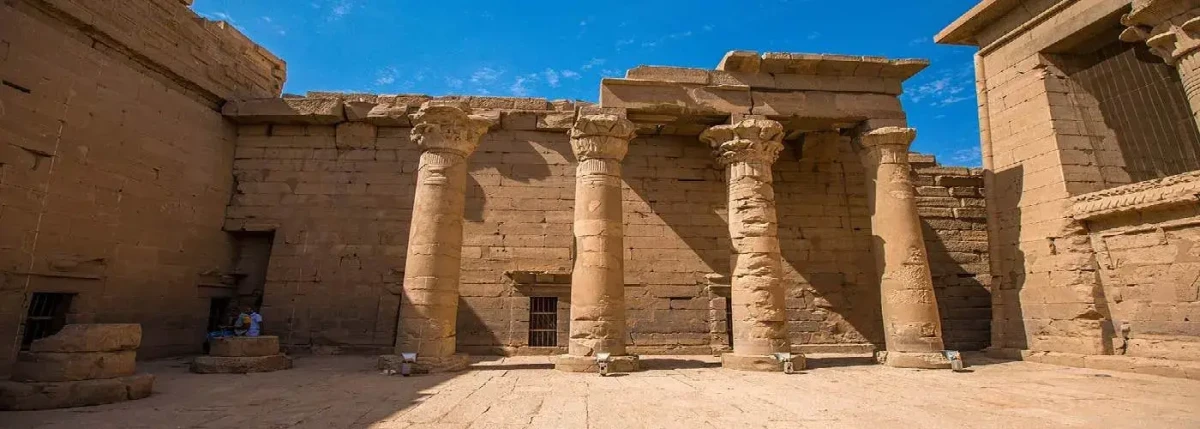
Complete Visitor Guide to the Kalabsha Temple
The Temple of Kalabsha in Aswan is one of the most outstanding monuments of ancient southern Egypt and is known to be a unique blend of the architecture of the Roman Empire and a long-established Nubian tradition. Positioned on the shore of Lake Nasser and just north of the Aswan High Dam, the site provides visitors with a unique opportunity to experience a preserved archaeological ruin reflecting the ages of change within Upper Egypt and unlike the often busy temples around the region the Kalabsha temple site remains a serene environment, perfect for those seeking something a little more profound than the regular Egyptian tourist locations.
The temple is widely regarded as one of the finest attractions to be seen at Aswan, by travellers who are in particular interested in History, Archaeology and ancient civilizations and as such is a very popular destination that is a popular addition to cultural tours including a day trip to Aswan and Egypt tours that tend to be a little more focused on cultural sightseeing.
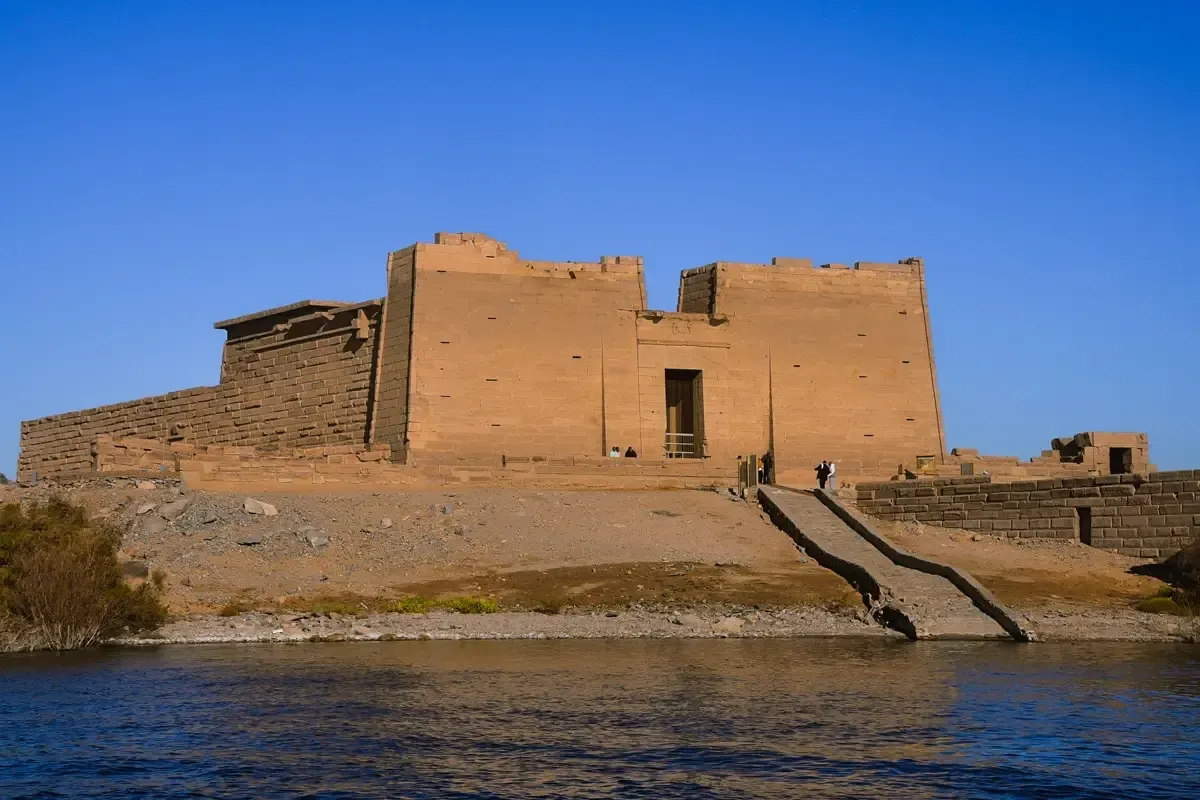
The History of Kalabsha Temple in Roman Egypt
Kalabsha Temple was constructed when the Romans governed Egypt and when the Emperor Augustus ruled the land. As much as the building of the temple itself happened while the Romans were in power, it was built in honor of the Nubian god Mandulis. This indicates a mix of culture in the ancient land of Egypt, showing how Romans ruled over native beliefs of religion. This makes it a key example in demonstrating how older civilizations existed in Egypt in contrast to destroying them. This temple was also built on the site of another ancient sacred place, proving it to be religiously significant for many centuries before the Roman construction of this building.
During recent history Kalabsha Temple received a lot of attention because the Aswan High Dam would flood many Nubian monuments when it was constructed. Because of the enormous work conducted by UNESCO, Kalabsha Temple was moved, and is currently located close to the Aswan. The rescue operation that moved so many buildings including Kalabsha was one of the largest archaeological operations ever and this proves how important Nubian monuments were to modern society.
Kalabsha Temple Location and How to Visit from Aswan
📍 Location:
The Kalabsha Temple is located near the Aswan High Dam on the western side of Lake Nasser in southern Egypt. Although its original position was further south in Nubia, it was relocated to its current site during the UNESCO rescue campaign to protect it from flooding.Today, this location makes the temple easy to reach from Aswan city, as it is only a short drive away and is often included in organized cultural excursions.
How to Visit:
Visitors most commonly access Kalabsha Temple on guided tours, or as part of private history and archaeology oriented tours.The visit is frequently incorporated into tours of Aswan and is combined with local sights such as the High Dam, other archaeological ruins, and is popular in the form of package tours to visit sites in Upper Egypt in a day.
When to visit:
The best time to visit Kalabsha Temple is the early morning or late afternoon, which is cooler, and will give you optimal lighting for photography. Because it is typically not as popular as the Egyptian tourist attractions in Egypt, you can explore the historical setting of the temple in a much more serene and relaxed fashion.
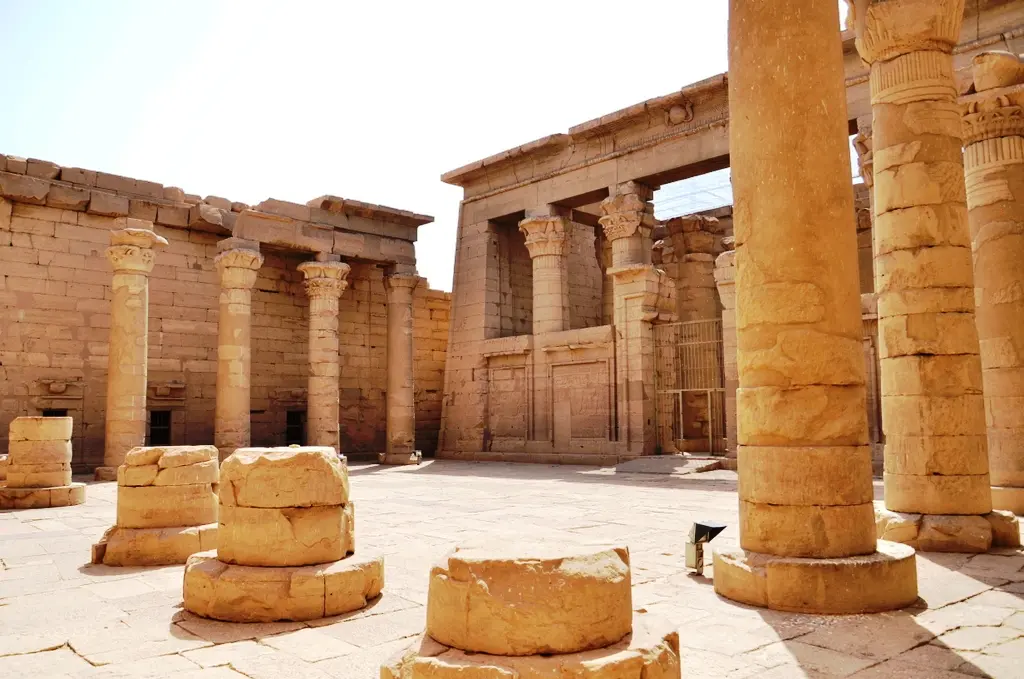
The architectural structure of Kalabsha Temple in Aswan
The construction of the temple is an important demonstration of how Roman imperial and traditional Egyptian temples blended, beginning with a large pylon entrance into courtyard, hypostyle halls and the inner sanctuaries. This sequence was designed to demonstrate a transition of divine status into that of sanctuary as it moves from the exterior of the temple to its most holy part. The part that truly distinguishes this temple is its ornamentation of wall reliefs in which the emperors are shown offering to Egyptian and Nubian deities. These representations have provided an excellent demonstration of the association between religious ritual and rule in the Roman rule of Egypt. The architectural design itself also presents some of the best representations of how light was employed to generate religious awe and was also able to accommodate the sun's movement around the temple so that it could illuminate certain parts of the inner temple. Consequently, the temple is often referenced in studies about architecture in Nubia and of Roman sites, serving as one of the best examples of the ability of the ancients to manipulate engineering to imbue architecture with significance.
Why you should go to Kalabsha Temple, Aswan
Kalabsha Temple is arguably the most tranquil and most historically interesting site in Aswan. Unlike more common attractions, many of which are incredibly touristy, the setting is both open and tranquil, and you are able to feel the history of the past. It is set against a desert landscape, and borders on Lake Nasser; an interesting juxtaposition. Many find that Kalabsha is one of the lesser-known, but no less interesting sites in Aswan and the place to be for the traveler who wants an interesting and culturally informative visit, rather than a touristy commercial venture. Most Egypt Day Tours and well put together travel plans include Kalabsha along with a host of other nearby historical sites. As such, it makes the trip an interesting and worthwhile inclusion to a tour of Upper Egypt. Apart from its own beauty and interest, the story of how it was relocated adds another layer of meaning, as this ancient building is part of an international preservation project and serves as an amazing example of countries working together.




-webp.webp "Hilton")
-webp.webp "dusit")
-webp.webp "Marriott Hotels")
-webp.webp "Azimut Hotel")
-webp.webp "Golden Tulip")
-webp.webp "sheraton")
-webp.webp "westin hotel")
-webp.webp "Movenpick")