
 English
 Italy
Italy
3 Days tour to Aswan and Luxor from Marsa Alam
Description
3 Days tour to Aswan and Luxor from Marsa Alam
Join New Travel Dynamics for a great Egypt trip from Marsa Alam and Port Ghalib. Get a strong deal and a fair rate. This is a private 3-day plan you can enjoy at your own pace.
You will travel in a private car with a licensed guide. Each stop is chosen to show the key sites of Upper Egypt.
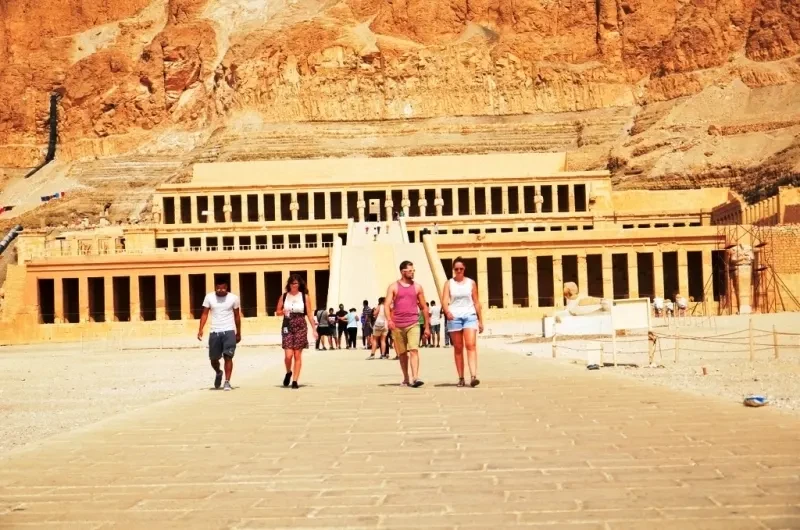
First, head to Luxor. Visit the royal graves in the Valley of the Kings. Then see the huge halls at Karnak Temple. Next, explore the mortuary temple of Queen Hatshepsut with its level terraces. Finish Luxor with the Colossi of Memnon.
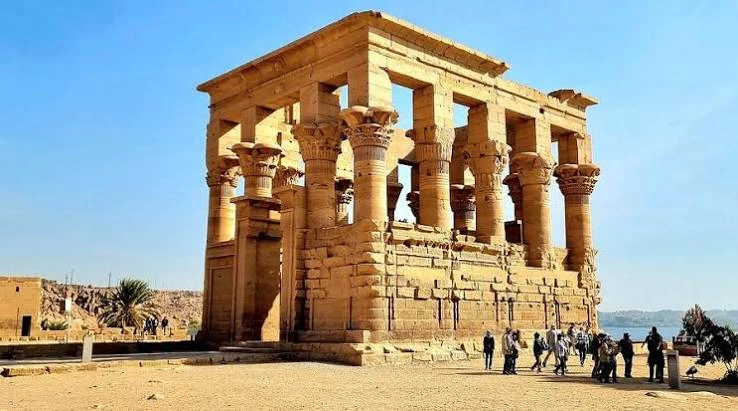
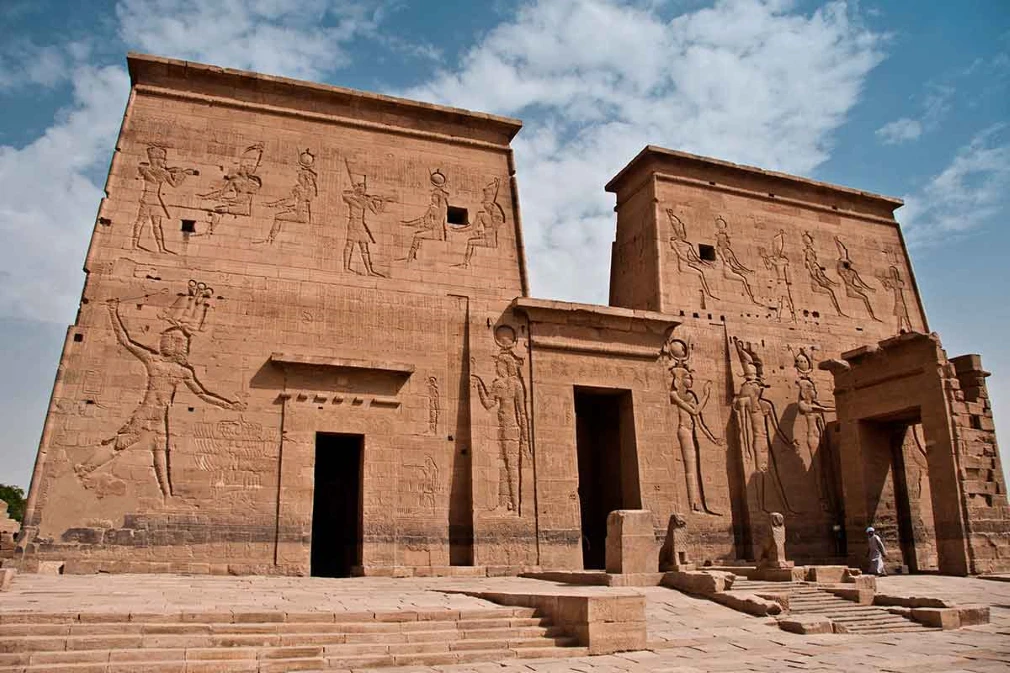
After that, go to Dendera and Abydos for their calm, sacred temples. Then move to Aswan. Take a boat to Philae Island and visit the Temple of Goddess Isis.
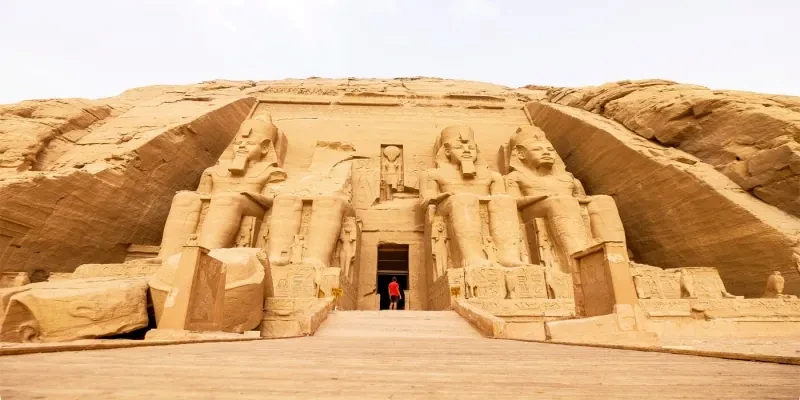
Last, go to Abu Simbel. Walk up to the rock cut shrines of Ramses II and take in their scale.
Book now for a full Nile Valley heritage route you will remember.
Itinerary
Day 1:
Luxor
Day 1:
Luxor
Morning we will pick you up from your hotel in Marsa Alam by a private A.C. Car to be transferred to Luxor for a trip from Marsa Alam to Luxor. Upon arrival you will meet your tour guide who will join you to visit:
Karnak:
No site in Egypt is more impressive than Karnak. It is the temple complex ever built by man and represents the combined achievement of many generations of ancient builders and pharaohs. The Temple of Karnak is actually three temples, smaller enclosed temples and several outer temples situated on 247 acres of land.
Luxor Temple:
The Temple of Luxor was the center of the important festival the festival of Opet. Built by Amenhotep III and Rameses II the temples purpose was as a setting for the rituals of the festival. The festival was to reconcile the aspect of the ruler with the divine office.
Lunch will be served in a restaurant in Luxor with a Nile view.
Valley of the Kings:
The resting place of Egypts rulers from the 18th to 20th dynasty it is home to tombs including the great pharaoh Ramses II and boy pharaoh Tutankhamen. The tombs were well stocked with all the material goods a ruler might need in the world. Most of the decoration inside the tombs is still well preserved.
Hatshepsut Temple:
It is one of the beautiful and best preserved of all of the temples of Ancient Egypt. The temple was built on three levels with two ramps, in a central position joining the levels together.
Colossi of Memnon:
Two stone statues of king Amenhotep III are the only remains of a complete mortuary temple. The statues are made from blocks of sandstone which exist in Cairo then moved 700 KM to Luxor.
Then you will transfer to Aswan. Overnight there.
Meals: breakfast, lunch
Day 2:
Aswan-Abu Simbel
Day 2:
Aswan-Abu Simbel
Early Abu Simbel trip from Aswan by private car
Abu Simbel temples
Two rock temples for Ramses the second and Queen Nefertari were cut into the cliff on the west side of the Nile. Work is usually dated from 1284 to 1244 BC.
The Great Temple was made for Ramses the second along with Ra-Harakhty, Amun Ra, and Ptah. Fronting it were four huge seated statues.
The smaller temple was for Queen Nefertari and the goddess Hathor.
To save both places, the temples were taken apart block by block and then rebuilt on higher ground. The protection of the Abu Simbel temples is often described as UNESCO’s top achievement.
Return to Aswan in the afternoon
Lunch will be served back in Aswan.
Philae temple
Philae was built for the goddess Isis. It is the last temple site made in the older classical Egyptian style. Construction started around 690 BC. It also became one of the final areas where Isis was still honored.
Aswan High Dam
The High Dam is a rock-fill dam on the northern edge of Egypt and Sudan. It is supplied by the River Nile. The water backs up to form Lake Nasser.
The project began in 1960 and finished in 1968. It was then opened officially in 1981.
The Unfinished Obelisk
Aswan provided granite that ancient Egypt used for statues and for details on temples, pyramids, and obelisks. The big unfinished obelisk in the Northern Quarries helps explain how these monuments were made. Still, the full method is not fully known.
Nearly 42 m of the shaft was done on three sides, but the carved inscriptions were not added.
When finished, it would have weighed 1168 tonnes. That would have made it the heaviest single stone piece the Egyptians ever shaped.
Transfer to Luxor and stay overnight there
Meals: breakfast and lunch
Day 3:
Dendera and Abydos
Day 3:
Dendera and Abydos
Pick up from your hotel in Luxor. Drive to Dendera temple.
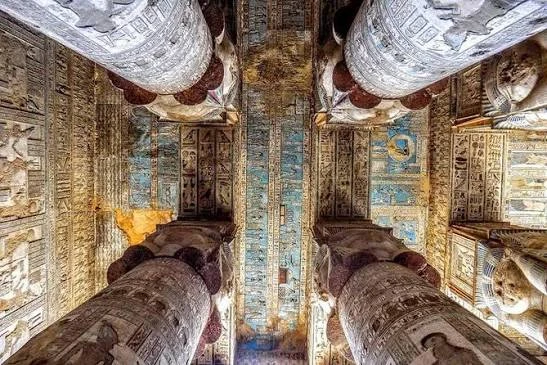
Dendera temple :
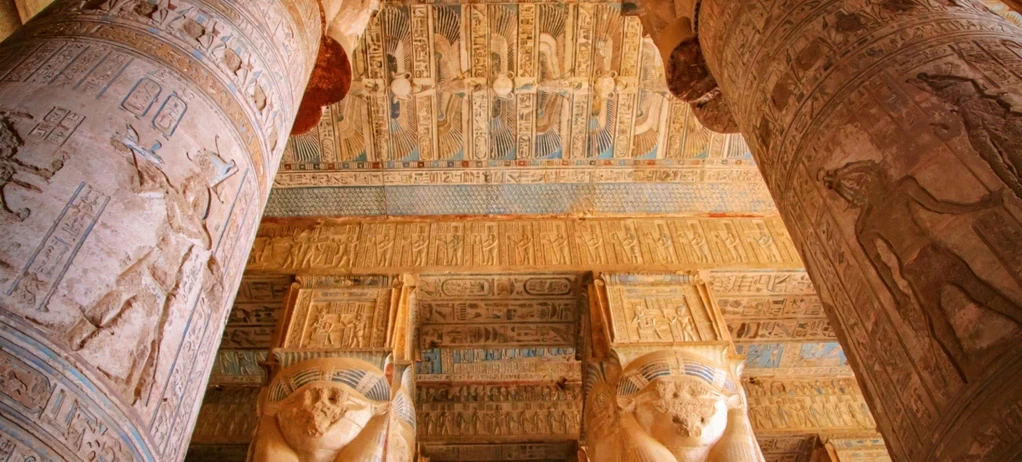
The Temple of Hathor was largely constructed during the Late Ptolemaic period during the reign of Ptolemy XII and Cleopatra VII. Later additions were made during the period. Although built by a dynasty of rulers who were not Egyptians themselves the design of Dendera temple has been found to be in accordance with that of other classical Egyptian temples with the exception of the front of the hypostyle hall, which according to an inscription above the entrance was constructed by Emperor Tiberius.
Apart from these there are also scenes in Dendera temple complex portraying the Ptolemaic rulers. For example carved onto the face of one of the walls of Dendera temple is a huge relief of Cleopatra VII and her son by Julius Caesar and co-ruler, Ptolemy XV (better known as Caesarion). The two Ptolemaic rulers are shown dressed in garb and offering sacrifices.
Hathor was also regarded as a goddess of healing. This is evident in the presence of a sanatorium in Dendera temple complex. Here pilgrims would come to be cured by Hathor. Sacred water (which was made holy by having it poured onto statues inscribed with texts) was used for bathing unguents were dispensed by the priests of Hathor and sleeping quarters were provided for those hoping that Hathor would appear in their dreams and so aid them.
Drive to Abydos temple from Dendera temple.
Abydos temple :
Considered one of the important archaeological sites of Ancient Egypt the sacred city of Abydos was the site of many ancient temples, including Umm el-Qa'ab, a royal necropolis where early pharaohs were entombed. These tombs began to be seen as significant burials and in later times it became desirable to be buried in the area leading to the growth of the towns importance as a cult site.
Today Abydos is notable for the temple of Seti I, which contains an inscription from the nineteenth dynasty known to the modern world as the Abydos King List. It is a list showing cartouches of most dynastic pharaohs of Egypt from Menes until Ramesses I, Setis father. The Great Temple and most of the town are buried under the modern buildings to the north of the Seti temple. Many of the structures and the artifacts within them are considered irretrievable and lost; many may have been destroyed by the new construction.
Abydos temple Located 2.5 hours by car north of Luxor Abydos was one of the most important religious sites to ancient Egyptians. Much like Muslims hope to complete a pilgrimage to Mecca at least once in their lifetime ancient Egyptians would have hopes to visit Abydos, which for them was strongly associated with the entrance into the afterlife.
Although there were temples constructed here the largest and most significant is known as the Temple of Seti I. Seti I was the father of the great Ramesses II, who actually completed the construction of most of the temple after his father’s death.
Coming to power 30 years after the upheaval associated with Akhenaten’s heretical rule, known as the Amarna Period Seti I was concerned with reestablishing faith in the pantheon of Pre-Amarna gods that Akhenaten had sought to destroy. As a result the temple Seti I built contains chapels dedicated to each of the major gods: Ptah, Re-Harakhte, Amun-Re, Osiris, Isis, Horus and also one to Seti himself. Much of the temple complex is no longer present, including the pylon and the first two courtyards so visitors to enter through a doorway into the hypostyle hall. Many of the wall reliefs are well preserved and the reliefs toward the back of the temple completed during Seti’s reign are considered to be among the finest in any temple throughout Egypt.
Drive to your hotel, in Marsa Alam.
Meals: Breakfast-Lunch
Included / Excluded
Inclusion
- Private air-conditioned car
- Entrance fees
- Private tour guide
- Lunch in Luxor and in Aswan
- One Night stay at Aswan based on Bed and Breakfast
- One Night stay at Luxor based on Bed and Breakfast
- Motorboat Trip in Aswan to Phila temple
- Lunch at a quality restaurant
- The assistance of our personal during tours
- No Hidden Costs
Exclusion
- Any Extras not mentioned in the itinerary
- Tipping
Related Tours
Hay, have a look on the other Related Egypt tours and Packages before booking may you find other destinations in Egypt close to your interests.
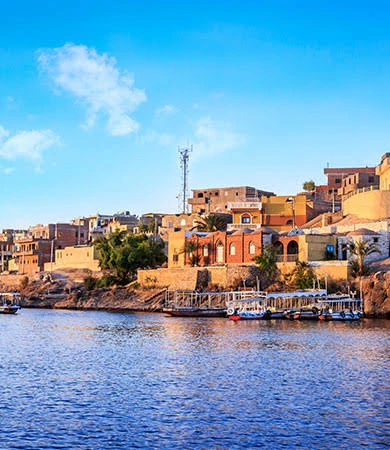
Aswan Day Tour from Marsa Alam
Join New Travel Dynamics for a top Egypt trip, starting in Marsa Alam and ending in Aswan. This private day tour is pric...
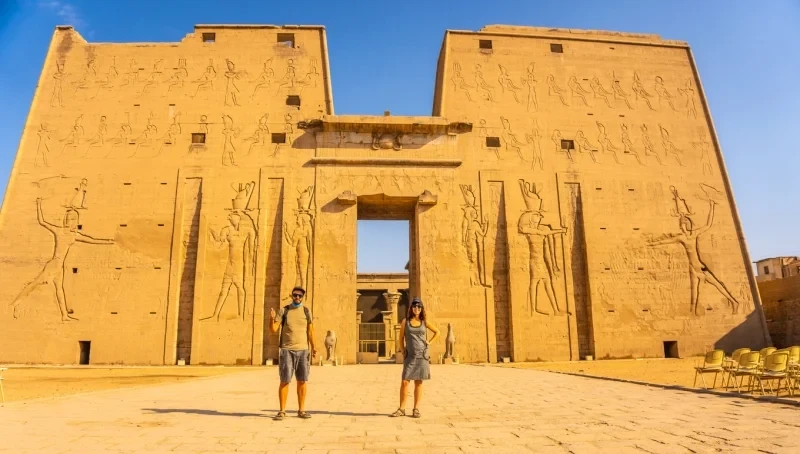
Day Trip to Edfu Kom Ombo from Marsa Alam
Book the best Egypt day trip with New Travel Dynamics. Get a fair rate and a good deal for a one-day ride from Marsa Ala...
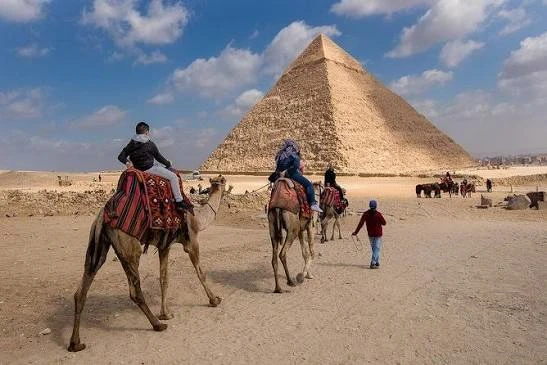
Cairo Aswan and Abu Simbel two days tour from Marsa Alam
See Egypt in a way you will not forget with New Travel Dynamics. We keep the trip affordable, and you get a good package...
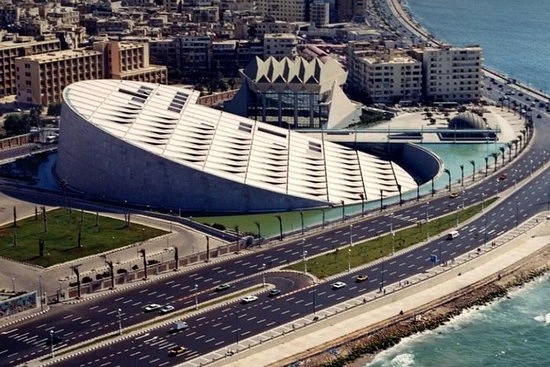
3 Days tour to Cairo and Alexandria from Marsa Alam
Join New Travel Dynamics for a great trip through Egypt. You get a strong rate and a good deal on a 3-day flight tour. T...
Thousands of Happy Travelers
See our happy clients' reviews of different Egypt travel packages and Egypt day tours. Read the experiences of other travelers to Egypt, you may find a new journey that you have not tried yet. Our first and foremost interest is to make tourists happy and to make their trips to Egypt an experience ingrained in visitors' memories
Based on 215 Reviews

Frequently Asked Questions
The most frequent questions people may ask about, read the following questions about Egypt tours that may answer a question in your mind.
There are many attractions to visit from our Egypt shore excursions, the highlights are the Pyramids of Giza, the Egyptian Museum, and the snorkeling tours in Safaga and Sharm El Sheikh.
Its recommended to book your shore excursions in Egypt with a trusted travel agency as it has the experience to handle all the amenities of the tour, Dynamics Travel Agency provides many Egypt shore excursions to look at their itineraries.
Enjoy the Giza Pyramids, the Egyptian Museum, and Sakkara churches, mosques, and a number of Alexandria shore excursions landmarks can all be found in Cairo in the North shore excursions. Enjoy a beach visit to the east where you may go diving, snorkeling, and swimming in the Red Sea.
Greater Alexandria Port, Port Said Port, Suez Port, Sharm El Sheikh Port, and Safaga Port are the five main commercial ports in Egypt.
The Red Sea is a well-liked location for both activities snorkeling and diving due to its clear waters and a variety of marine life. In western Egypt, there lies a stunning desert oasis called the Siwa Oasis. You can unwind there and escape the desert's heat from our Egypt shore excursions.
You may visit and explore a number of historical sites in Egypt. Every tour is distinctive and individual. On a Nile cruise, you may explore the temples, tombs, and riches of the Nile while visiting Abu Simbel, Aswan, and Luxor in the south. Enjoy Cairo shore excursions at night also you can visit the Giza Pyramids, the Egyptian Museum, and Sakkara in the North.
Your Travel Journey Starts Here
Sign up and we'll send the best deals to you
Trusted Partners
We work with trusted partners to deliver services, process payments, and improve your experience.




-webp.webp "Hilton")
-webp.webp "dusit")
-webp.webp "Marriott Hotels")
-webp.webp "Azimut Hotel")
-webp.webp "Golden Tulip")
-webp.webp "sheraton")
-webp.webp "westin hotel")
-webp.webp "Movenpick")