
 English
 Italy
Italy
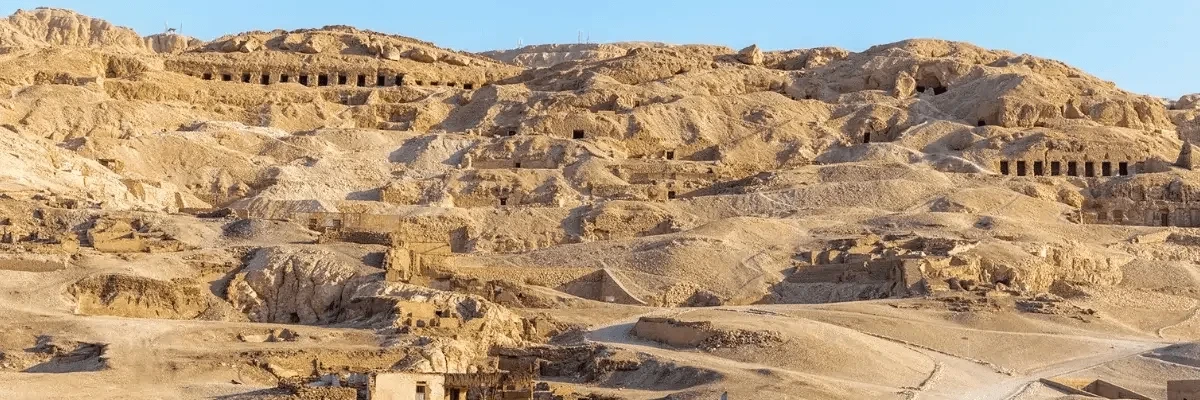
The Nobles' Tombs in Luxor
The Nobles' Tombs in Luxor represent one of the most important archaeological sites which provide insights into the elite lifestyles of ancient Egyptian society. The tombs functioned as burial grounds for New Kingdom (18th to 20th Dynasty) burial sites dedicated to high-ranking officials and nobles and important figures. These tombs, situated on the Nile's west bank, provide visitors with an intriguing view of how ancient Egyptians lived their daily lives and performed their burial customs.
Location of the Nobles' Tombs
The Theban Necropolis contains the Nobles' Tombs which sit on the Nile's west bank near the Valley of the Kings and the Valley of the Queens. The tombs extend across the hills which provide visitors with breathtaking views of both the river and the surrounding landscape. The tombs primarily belong to high-ranking individuals like "royal scribes," "military commanders," and "chief priests"—key figures in ancient Egypt's government and religious hierarchy.
Design of the Tombs
The architectural style of noble tombs differs from that of Pharaohs who built their tombs in the Valley of the Kings. The royal tombs display their majestic design through pyramidal structures, whereas nobles' tombs show their architectural style through their smaller size and their impressive decorative features. The general design of these tombs includes:
A Long Corridor: Leading to the burial chamber.
Side Chambers: Used for storing personal items or for religious ceremonies.
A Main Hall: Adorned with detailed frescoes and inscriptions depicting the life of the deceased, along with funerary rituals and divine offerings.
Wall Paintings and Inscriptions
Nobles' Tombs use their wall space to display both wall paintings and inscriptions which serve as their primary architectural feature. The artwork shows various aspects of daily life through scenes which include hunting, dancing, agriculture, and feasting. The burial sites contain numerous images which show funerary rites and religious beliefs because they believe in life after death and need to prepare for the afterlife. The artistic style in these tombs provides a fascinating look at the nobility's role in ancient Egyptian society. The tomb of Nabamun shows bright fishing and fowling paintings while the tomb of Raḥi displays military activities.
Notable Nobles' Tombs
Some of the most famous tombs of the nobles in Luxor include:
The Tomb of Nabamun (TT 181): This tomb is one of the most famous, known for its detailed and colorful frescoes that depict scenes of daily life. The tomb shows how a royal scribe lived his life through his daily activities and free time.
The Tomb of Raḥi (TT 37): Raḥi's tomb is significant for its detailed reliefs depicting military activities and his service as a royal official. The artwork here is a prime example of how ancient Egyptians honored their military elite.
The Tomb of Kha (TT 192): Kha's tomb stands out because it maintains its original state and displays his burial rituals and all the farming and religious practices that Kha performed throughout his lifetime.
The Nobles' Tombs serve as vital historical sites which show how ancient Egyptian nobles lived their lives. The site shows how noble families interacted with royalty because it shows their religious practices and their common daily life activities. The artistic creations and written texts from this period show essential details about the religious beliefs and artistic traditions and cultural practices of ancient Egyptian society. The tombs demonstrate how Egyptians believed in life after death and their attempts to provide their deceased family members with successful afterlife journeys.
The Nobles' Tombs possess important historical value yet face multiple preservation challenges which endanger their historical significance. Tombs face threats from three main factors which include rising groundwater levels and increased tourism and incidents of looting and vandalism. Egypt's Ministry of Antiquities together with international organizations has launched efforts to protect and restore these tombs. The conservation projects aim to control water levels while they enhance tourist access but they must protect the tombs' fragile artwork through their security measures.





-webp.webp "Hilton")
-webp.webp "dusit")
-webp.webp "Marriott Hotels")
-webp.webp "Azimut Hotel")
-webp.webp "Golden Tulip")
-webp.webp "sheraton")
-webp.webp "westin hotel")
-webp.webp "Movenpick")