



Best Things to Do in Luxor, Egypt
Luxor stands as the ultimate open-air museum which showcases the complete ancient Egyptian heritage. The ancient city of Thebes which served as the New Kingdom capital existed on this site which now stands in Upper Egypt at the Nile River's eastern bank. Luxor provides tourists an extraordinary opportunity through its magnificent temples and royal burial sites and its lively local traditions. The following guide provides complete information about the top attractions which visitors should explore in Luxor.
1. Explore Karnak Temple Complex
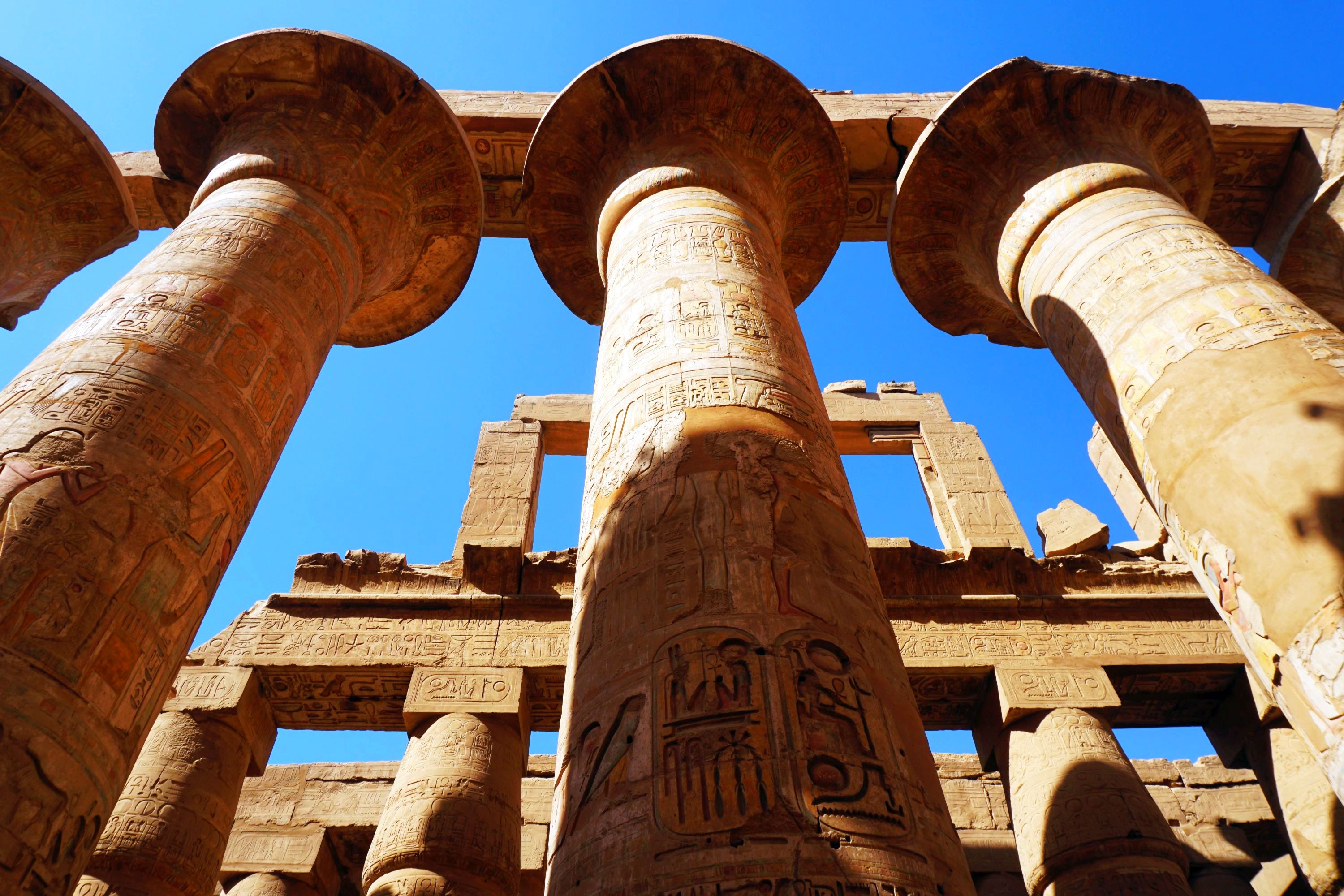
Karnak Temple stands as Egypt's largest religious site which showcases the architectural brilliance of ancient Egyptian designers. The site consists of multiple temples, chapels, pylons, and obelisks dedicated primarily to the god Amun, his consort Mut, and their son Khonsu.
The main attractions of the site include:
Great Hypostyle Hall: A massive hall with 134 columns decorated with intricate hieroglyphics.
Sacred Lake: Used by priests for purification rituals.
Obelisks of Pharaohs: Tall monuments that celebrate royal achievements.
Visitors can spend hours exploring the extensive pathways while they observe the enormous statues and old carvings and historical writing which covers more than two thousand years of history.
2. Visit Luxor Temple
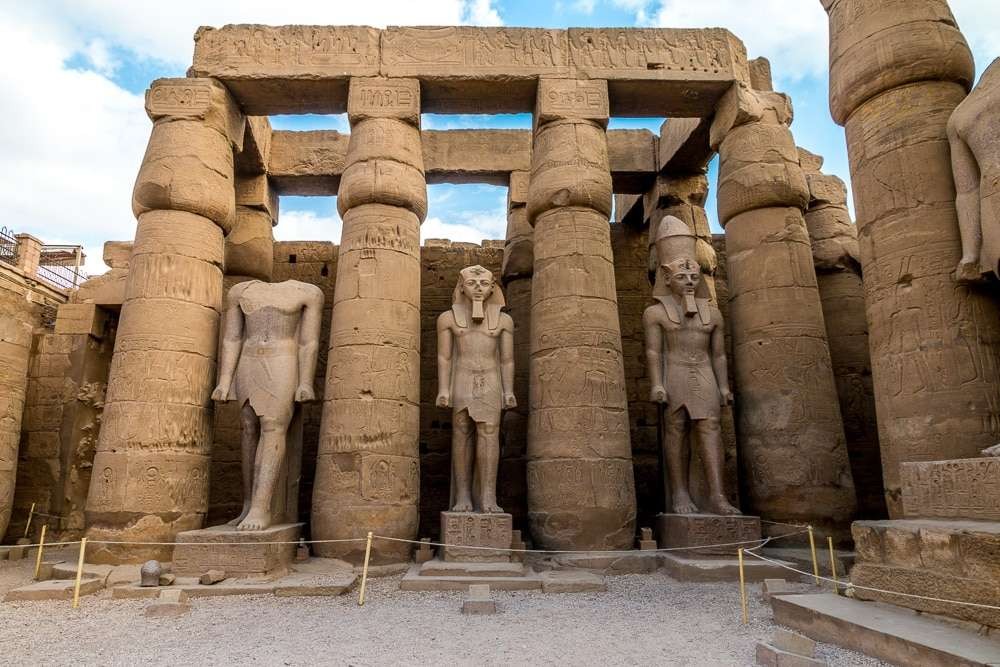
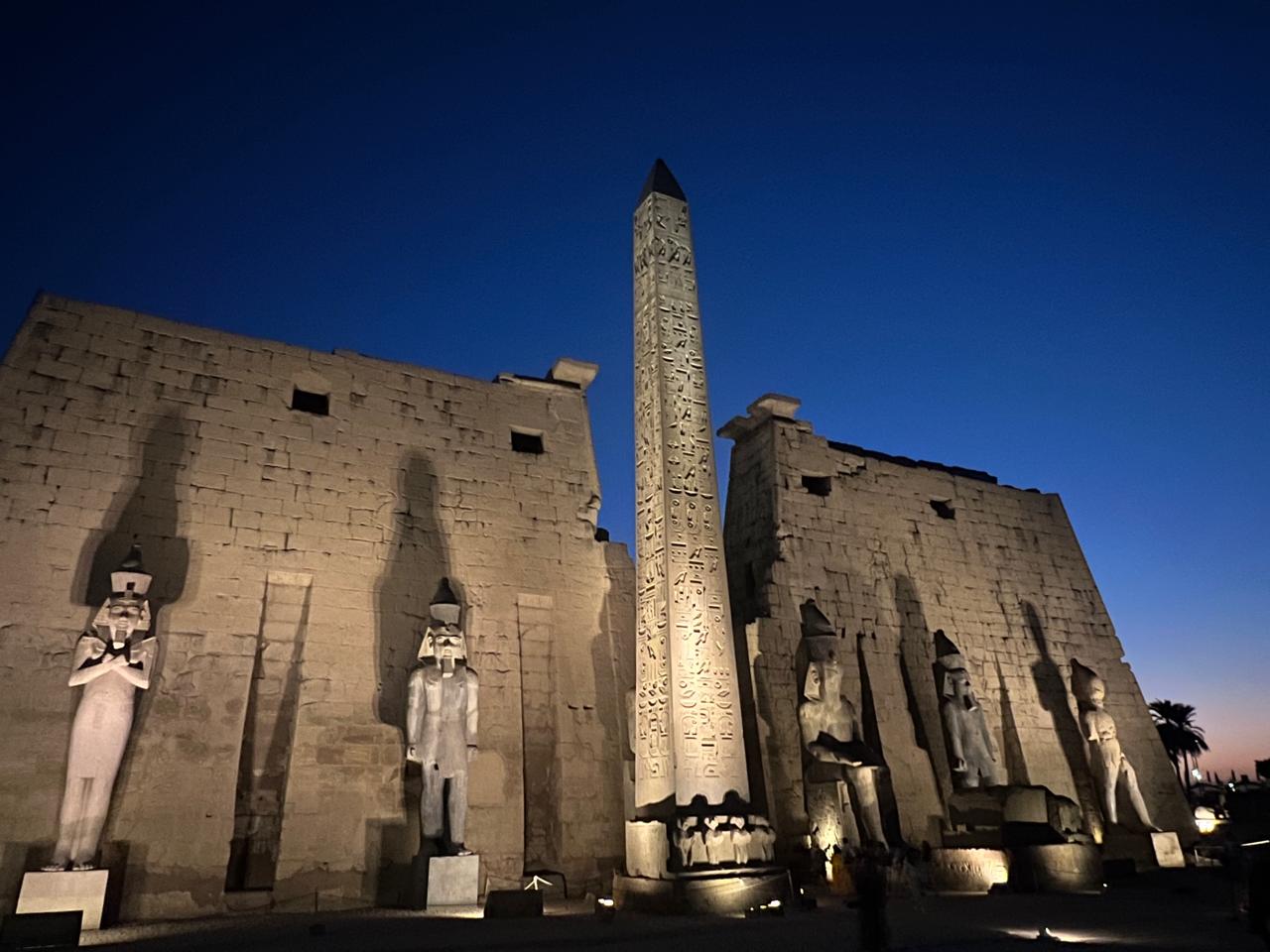
The construction of Luxor Temple began with Amenhotep III for the location which now exists as modern Luxor. The shorter Luxor Temple stands as an essential historical site which holds deep religious importance for visitors.
The temple functioned as the main location for the Opet Festival when priests transported god statues from Karnak to Luxor Temple along the Avenue of Sphinxes. The city requires visitors to see its statues of Ramesses II and its beautiful pylons which stand as essential attractions.
3. Discover the Valley of the Kings
The Valley of the Kings which serves as the burial site for New Kingdom pharaohs exists in the West Bank of Luxor. The valley contains more than 60 tombs which include the famous Tutankhamun tomb that explorers found in 1922 with most of its contents still preserved.
Key things to note:
The tombs display colorful hieroglyphic writing together with sacred religious texts which include the Book of the Dead.
The tombs demonstrate how people believed the afterlife worked while they thought about how their souls would travel to join the afterlife.
Certain tombs require guests to purchase extra tickets whereas Tutankhamun's tomb needs visitors to pay an additional fee.
The Valley of the Kings provides an exceptional opportunity to study the ancient Egyptian religious beliefs together with their artistic expressions and royal customs.
4. Visit Hatshepsut’s Mortuary Temple
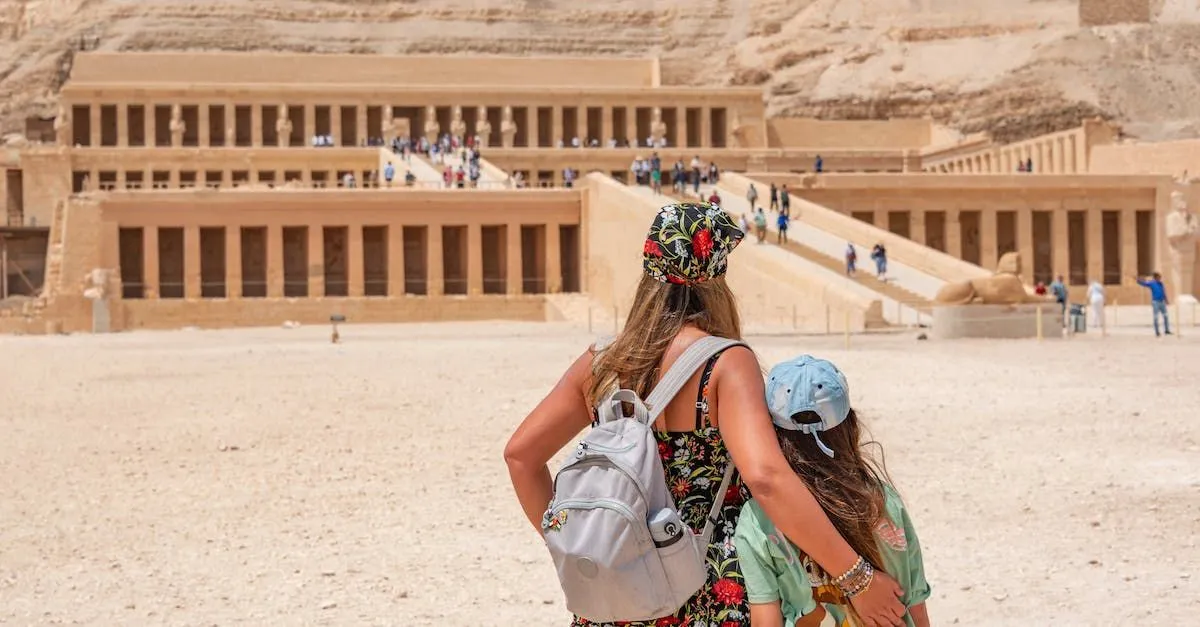
Hatshepsut's Mortuary Temple stands as one of Egypt's most impressive architectural achievements. The temple which sits at Deir el-Bahari showcases its exceptional terraced architecture which extends along the slopes of the Nile Valley cliffs.
The following features serve as main attractions of the site:
The site contains pathways that connect through ramps and colonnades which create terraced areas.
The site features statues and reliefs which show Hatshepsut's divine birth and reign.
Visitors to the site can enjoy magnificent views of the cliffs which surround them and the desert landscape.
Hatshepsut used this temple to establish her religious authority because it served as her royal religious establishment.
5. Explore Luxor Museum
The Luxor Museum provides visitors with a peaceful environment where they can explore Theban artifacts which the museum displays. The Luxor Museum which operates at a smaller scale than Cairo's major museums presents its exhibits in an elegant manner which showcases the museum's collection of statues and jewelry and mummies and funerary items.
The museum enables visitors to learn about ancient Egyptian culture and their artistic expressions and their everyday activities.
6. Take a Hot Air Balloon Ride
The most enchanting way to view Luxor requires visitors to experience the city from an elevated position. Sunrise hot air balloon rides deliver stunning aerial views of all nearby areas.
7.The Avenue of Sphinxes
serves as an ancient ceremonial pathway which connected Karnak Temple with Luxor Temple. The avenue extends for approximately 2.7 kilometers which contains two lines of ram-headed sphinx statues.
Visitors can now walk the restored avenue which ancient Egyptians used for their religious processions. The historical experience lets visitors connect with the city's past while they picture its former glory.
8.The Mortuary Temple of Ramesses III
which exists at Medinet Habu stands as one of Luxor's most intact temples. The site is renowned because it contains
The site contains detailed battle scenes which show military operations
The site contains two monumental pylons and multiple statues
The site provides information about Ramesses III's period of rule and his accomplishments.
The temple attracts fewer visitors than other main temples which makes it an ideal location for tourists who want to discover without encountering large groups of people.
9. The Colossi of Memnon
two monumental statues stand at the entrance which leads to the ancient Amenhotep III mortuary temple. The two statues reach a height of 18 meters which shows the size and artistic skill of ancient Egyptian sculptors.
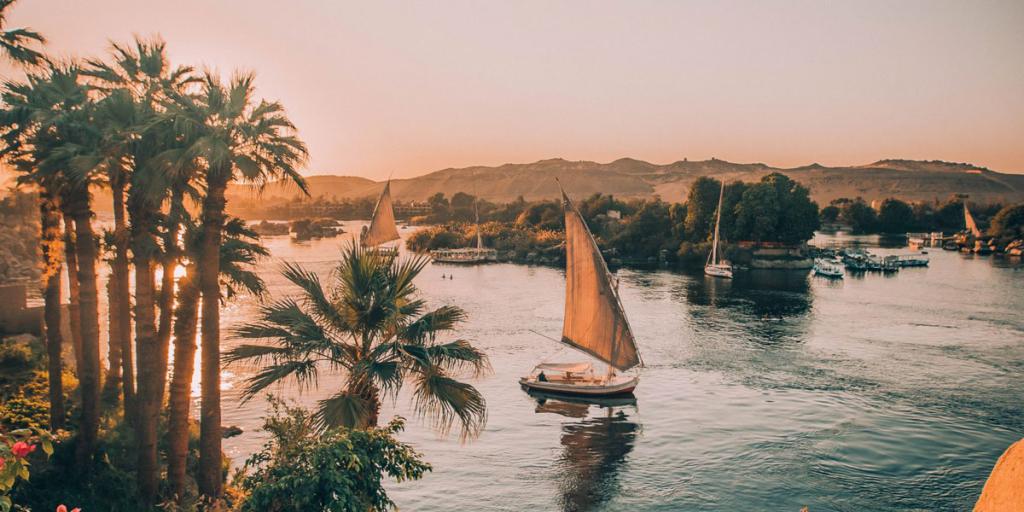
The statues stand as a famous landmark which people frequently use for photography. The Felucca Ride on the Nile lets you experience traditional wooden sailing boats. The Nile sunset boat ride offers visitors a chance to experience
The river maintains its peaceful nature
The riverbanks reveal local villages and agricultural fields
Visitors can take beautiful sunset pictures which show temples at sunset.
The activity provides a soothing experience which helps people relax after their day spent at tourist attractions.



-webp.webp "Hilton")
-webp.webp "dusit")
-webp.webp "Marriott Hotels")
-webp.webp "Azimut Hotel")
-webp.webp "Golden Tulip")
-webp.webp "sheraton")
-webp.webp "westin hotel")
-webp.webp "Movenpick")