


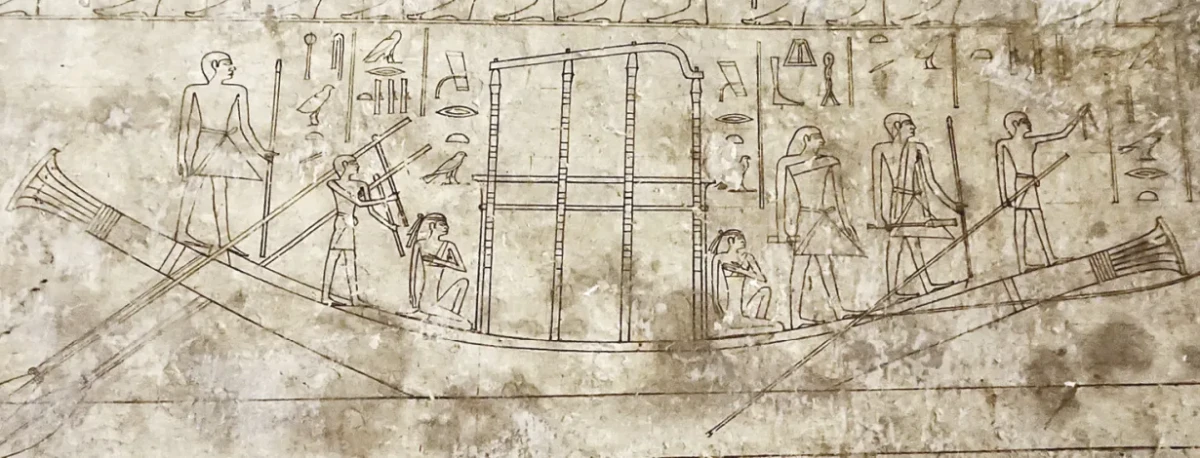
Whispers in the Stone: Discovering the Human Soul of the Meir Necropolis
Beyond the Pyramids: A Personal Journey into the Meir Necropolis
When we think of Ancient Egypt our minds instantly jump to the things: the Great Pyramids of Giza the golden mask of Tutankhamun or those big temples in Luxor. We get caught up in the structures. The pharaohs, the gold and the big buildings that take over the sky.. A few years ago I started to feel like I was missing something. I wanted to know about the people who really lived in Ancient Egypt, not the important people and the fancy things. I wanted to know about the families the workers and the local leaders who kept everything going day after day.
So I went to a hill in Middle Egypt near a town called El-Qusiya. That is where you find the Necropolis of Meir. If you have not heard of it you are not alone. It does not have a gift shop. There are no tour buses waiting at the entrance and you will not find it on a list of top places to visit.. That is what makes it so special. It feels quiet and real not like the places. The Necropolis of Meir is a place where you can really feel like you are experiencing Ancient Egypt because it is not crowded and loud, like places. Ancient Egypt is what I am talking about. The Necropolis of Meir is a part of Ancient Egypt that is very interesting.
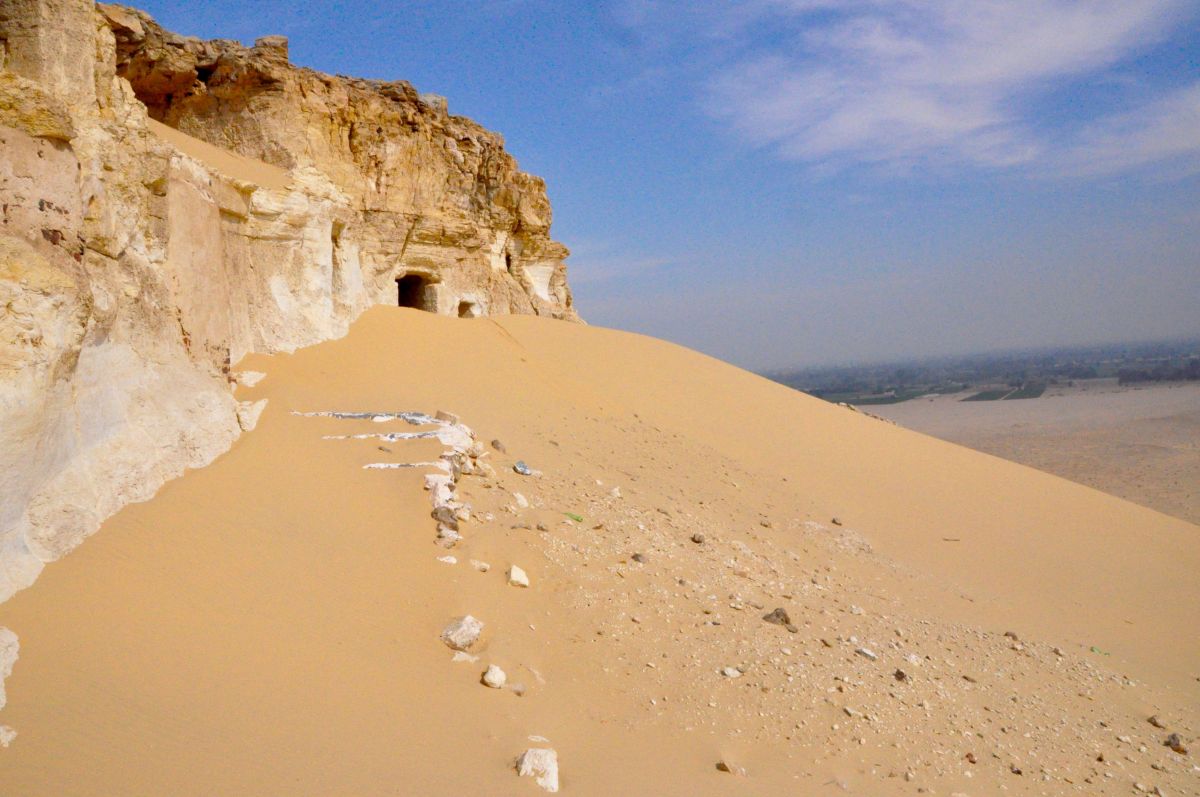
A Different Kind of Resting Place
The Meir Necropolis is a place where the provincial governors, the nomarchs and the senior priests were buried during the Old and Middle Kingdoms. The nomarchs were like the bosses of their regions of like the people in charge of big companies today. They were not pharaohs. They had a lot of power. The. The senior priests wanted to make sure their life after death was comfortable and safe just like their life on earth.
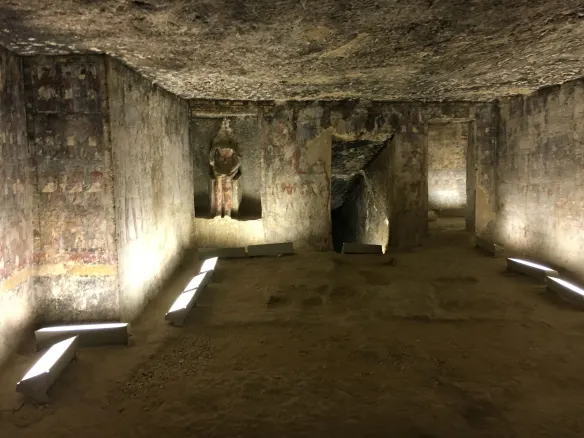
When you visit the Meir Necropolis you do not see granite monuments. Instead you see openings in the limestone cliff that look like caves. The outside of the tombs does not have a lot of details it is plain and dusty.. When you go inside everything is different. The walls are. Have carvings and they still look good today. The Meir Necropolis tombs seem to be alive like they are still breathing. The paint and reliefs, on the walls of the Meir Necropolis tombs are still intact. They look beautiful.
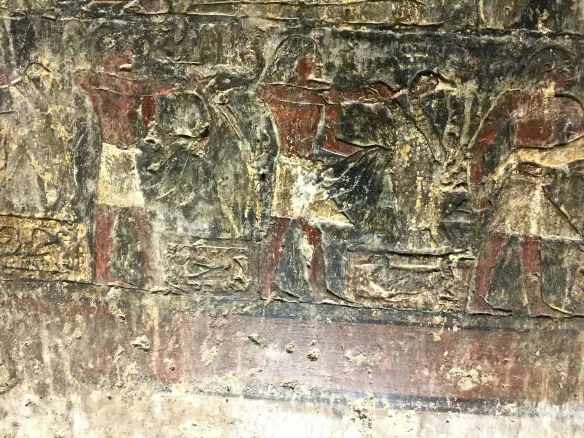
Portraits of Real Life
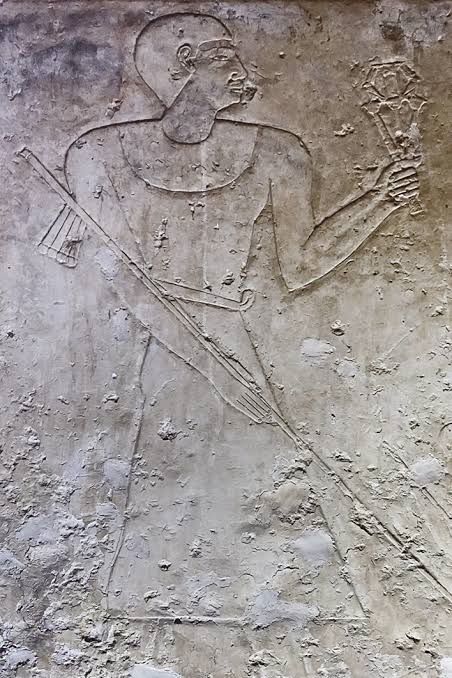
What really got me about the Necropolis at Meir was how oddly different the art is at the Necropolis at Meir. If you walk into a pharaonic tomb everything gives off this very official vibe. The king shows up in that fixed stylized manner at the pharaonic tomb; the king is shown as flawless forever the same, almost god-like at the typical pharaonic tomb.
At the Necropolis at Meir it is like someone just opened a family photo album from around 4,000 years ago and it is weirdly personal at the Necropolis at Meir.
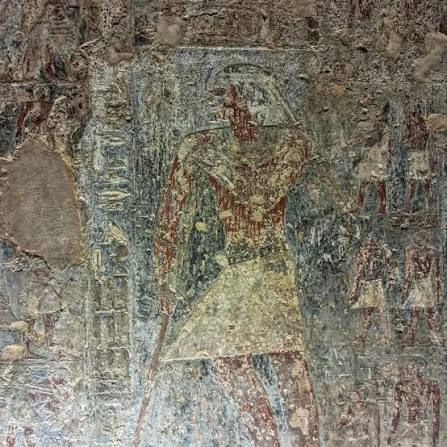
I remember standing inside Pepyankhs tomb also known as Heni the Black. I was not really staring at one of those scenes where the king is smiting enemies, over and over. Instead there was this man, the mans dog and even a monkey at Pepyankhs tomb. The person who carved that relief at Pepyankhs tomb did not seem to be trying to push some force. It felt like the person who carved that relief at Pepyankhs tomb was recording a little moment of togetherness or quiet companionship between the man and the mans pet dog and the monkey. Honestly it hit me like a jolt when I was standing inside Pepyankhs tomb. Suddenly it was not some Ancient Egyptian Noble at the Necropolis at Meir it was just the man, the man who had affection for animals and for company the same way you or I might day to day at the Necropolis, at Meir.
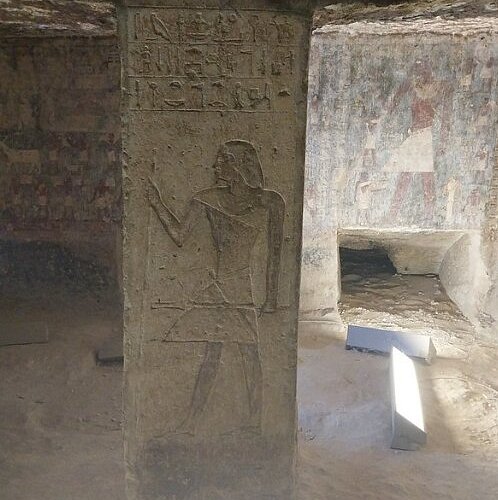
The Busy Lives of the Elite
The walls of the Necropolis are like a movie of life. You can spend hours looking at the details of the pictures of people harvesting grapes.. Then you notice how everything is connected, like farmers picking grapes men making big vases and people spinning flax into cloth.
There is one picture that people often miss. It really caught my attention: the picture of the nomarch riding in a special chair. You see the servants, the things they are carrying and the way they are all working together. It is a lot of work to move around like that. This makes me think that these tombs were not just built for when people died. So that their daily lives could keep going forever. They wanted everything to stay the same.
Why This Necropolis Matters
So why should we care about some graves in the middle of Egypt? To me the Necropolis at Meir is a way to really understand the people who lived a time ago. When we only see statues and pictures we forget that they were real people. We start to think of them like characters in a movie not like people who got cold who loved their families, who worried about their crops and who dealt with politics.
At Meir you can see that the people who lived there loved the goddess Hathor, who's the goddess of music and mothers. Many of the families who were buried there loved her much. You can almost hear the music and the chanting that they used to do. This makes the place feel more warm and friendly not just old and serious.
A Quiet Connection
My favorite thing about visiting the Necropolis was the quiet. It is not like a tourist place so you can really think and feel the atmosphere. You can stand in a tomb that's 4,000 years old see a beautiful blue flower and just breathe.
There is something about this place that you do not feel at the pyramids. The people who were buried here were important. They knew they were not gods. They built their homes into the hillside close to the earth not to show off. It feels more gentle and thoughtful about death.
How to See It for Yourself
If you are thinking about visiting Egypt and you want to see something you should go to Meir. This is not a place you can just drop by you need to plan and maybe get a guide.. It is worth it.
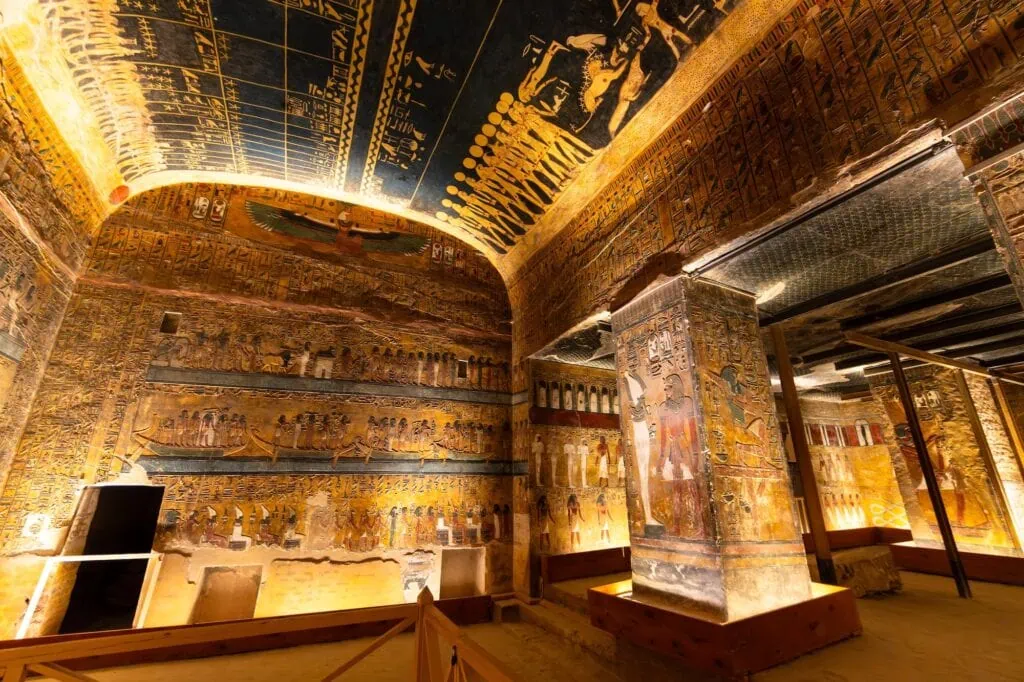
When you go to Meir do not rush. Take your time. Look at the small things like the way a bird is drawn or the expression on a servants face. These are the things that make it special.
Bring a flashlight because it can be dark inside the tombs.. Be careful because these are old and delicate things.




-webp.webp "Hilton")
-webp.webp "dusit")
-webp.webp "Marriott Hotels")
-webp.webp "Azimut Hotel")
-webp.webp "Golden Tulip")
-webp.webp "sheraton")
-webp.webp "westin hotel")
-webp.webp "Movenpick")
