
 English
 Italy
Italy
Where the Holy Family Rested: The Sacred Secrets of Old Cairo
The Coptic Cairo area, which contains its complex network of streets, connects to this sacred site that exists as a fundamental historical foundation.
Abu Serga, or the Church of Saints Sergius and Bacchus, is not merely a destination for the curious traveler; it is a living time capsule.
The 2026 world demonstrates increasing digital connections, yet Abu Serga provides visitors with complete human presence. This place exists beyond present time, as it demonstrates ancient stone structures and the fragrance of historical beeswax and the narrative that has influenced worldwide events. The location known as "Where the Holy Family Rested" functions as a sacred space where divinity encounters the common human experience of seeking belonging in unfamiliar territory.
1. The Cave of Refuge: Ten Meters Below Time
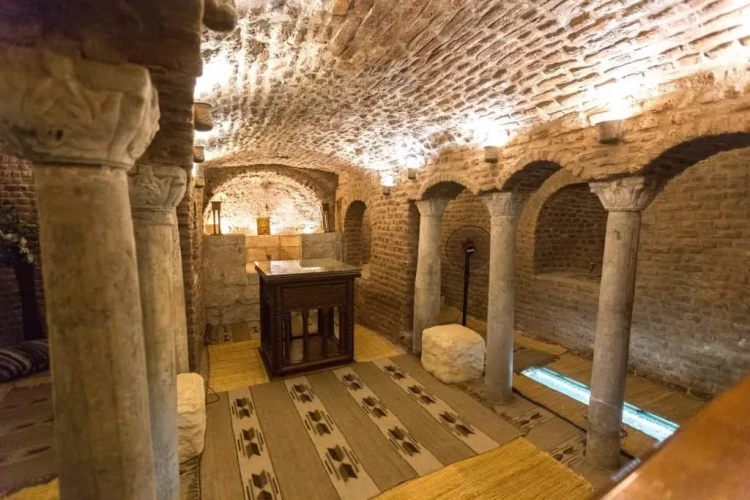
The most important element in Abu Serga exists beyond its gold leaf and its detailed wall icons which people can see. The Sacred Crypt: The narrow stairs lead into the crypt which creates an experience of backtracking through historical periods. The small cavernous space which maintains a cool temperature serves as the traditional location where the Virgin Mary and Joseph and the infant Jesus stayed during their journey to Egypt.
The Human Vulnerability: The present-day dual function of the crypt space as both a silent historical site and an archaeological site exists for you to experience. The location marks the spot where a mother used to rock her child to sleep while her family hid from royal anger. The realization that all historical religious leaders experienced life as refugees shows their human nature. The Silent Stones: The crypt maintains a particular type of silence which has developed throughout 1,700 years. The space requires you to take deep breathes while you become aware of the historic path which has attracted numerous visitors before you.
2. The Architecture of the Ark
The Basilica design of Abu Serga Church shows its original 4th century architectural style which still maintains its stunning beauty.
The church building uses twelve enormous marble columns to establish its architectural framework. The stone reveals through its surface the faint traces of Apostle paintings which still remain. The pillars stand as ancient witnesses to the countless prayers which have filled this space throughout 1700 years.
The Inverted Ark: The ceiling appears as an inverted boat which builders created by using dark timber materials. The ancient builders made this choice as their deliberate decision. The church building uses Noah's Ark as its symbol to show that the church functions as a protective vessel which helps people navigate through life's challenges and historical events.
The Human Craft: The wooden carvings and the colored iconography show the artistic expression of an artist who created beautiful works to overcome the oppressive nature of his environment.
3. The Legacy of the Soldier-Saints
The church honors Sergius and Bacchus who were two Roman military commanders who became martyrs for their Christian beliefs during the early 4th century.
The church receives its first element of courage through its first name which describes a military commander who died in battle. The building serves as a complete human representation because it operates as a military establishment which protects a defenseless baby.
The Power of Conviction: Their story shows that Abu Serga exists through its visual appeal because its builders constructed it on sacred ground which they believed held divine power.
4. The Living Well: Water of Life
The church contains an old well which people believe supplied water to the Holy Family during their time there.
The Sustenance of Survival: The basic human requirements of water and food and shelter constitute the foundation which shapes all events throughout history. The well serves as a direct connection to the Holy Family's existence. In 2026, we turn a tap without thinking, but in this church, water is treated as a sacred miracle that allowed a story to continue.
The Continuity: People still visit the well today, not just to look at it, but to feel a connection to the simple, physical elements that sustained the people they revere.
5. Why Abu Serga Matters Today
The church building has endured multiple fires and two empires and continuous urban growth of an extensive metropolitan area which surrounds it. The church building exists because people have maintained its physical structure and church communities have performed their religious ceremonies for almost two millennia.
The story of Abu Serga shows how humans have searched for safe places to hide from danger which exists beyond their personal beliefs. The world needs our dedication to build safe spaces which will protect vulnerable people who need assistance and those who have lost their way.
The Heartbeat of Old Cairo
Abu Serga functions as a church while it operates as a "Sacred Secret" because it exists as a hidden site. The most important locations throughout the world do not need to possess either the highest buildings or the loudest structures. The world exists at its center when people enter a silent crypt that lies ten meters beneath the surface.
Exiting the chill dimness of Abu Serga brings you into the brightness and noise of contemporary Cairo, which alters your way of seeing things. The world maintains its rapid pace yet certain locations have existed for you to experience a slower rhythm during the last 2000 years. The building functions as a sacred religious work and historical defense structure which serves as an actual place for people to find peace.





-webp.webp "Hilton")
-webp.webp "dusit")
-webp.webp "Marriott Hotels")
-webp.webp "Azimut Hotel")
-webp.webp "Golden Tulip")
-webp.webp "sheraton")
-webp.webp "westin hotel")
-webp.webp "Movenpick")
