
 English
 Italy
Italy
Trip to Egypt: The Complete Guide to Egypt Travel Packages & Tour Options
Trip to Egypt: The Complete Guide to Egypt Travel Packages & Tour Options
The moment you decide to book a trip to Egypt, your imagination just sorta runs away with you. Like you can already see yourself at the base of the massive Giza Plateau, with that morning sun hitting the limestone skin of the Great Pyramid. Then its like , you’re strolling through the brightly colored underground burial chambers in the Valley of the Kings, or maybe you’re standing on the deck of an upscale Nile river cruise, watching a timeless Sahara sunset unfold.
Egypt is basically an unmatched journey through the very cradle of human civilization. Yet, the thing is, the country covers such a huge geographic expanse , from the bustling Mediterranean coastline of Alexandria all the way down to those golden Nubian landscapes around Abu Simbel near the southern edge. So trying to build a cohesive, independent itinerary can quickly turn into a logistical headache. Coordinating domestic flights, getting dependable cross-provincial travel permits, and tracking down expert local Egyptologists, it all needs serious back and forth.
This is exactly why Egypt tour packages have become the gold standard for international travelers. When you pick a well-structured package it removes a lot of the booking friction, so you’re not stuck wrestling with complicated routes and admin stuff, and you can instead focus on the jaw dropping history. This guide lays out the absolute best kinds of Egypt travel packages, key regional itineraries, and practical insider strategies so you can choose a vacation layout that actually fits you.
1. The Classic Highlights Package (7–8 Days)
If you’re in a rush but you still can’t really bring yourself to skip the iconic bits of antiquity, the 8-Day Classic Highlight itinerary is basically the best starter layout.
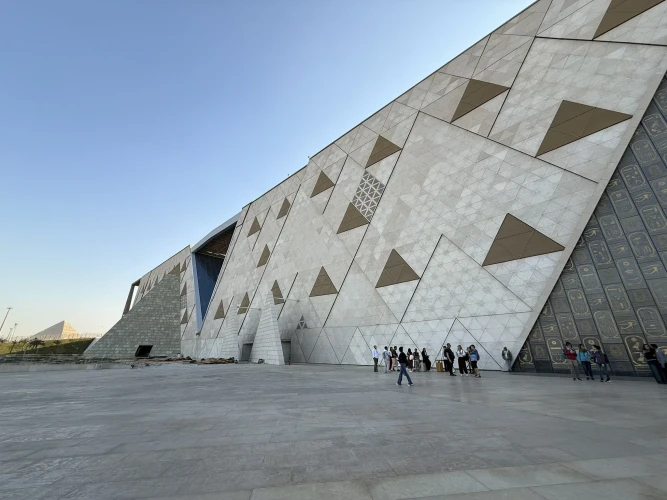
Days 1–3 (The Cairo Hub): Your tour package starts in Cairo and you’ll spend your first mornings around the Pyramids of Giza, plus the Great Sphinx. Most premium packages come with a private, certified Egyptologist guide to walk you through the site, and yes that also means you can avoid that overly intense street-vendor scene. You’ll also get an afternoon at the monumental Grand Egyptian Museum (GEM) , which is described as the largest archaeological museum complex on Earth, so you can wander through the full, astonishing treasure collection connected to King Tutankhamun.
Days 4–7 (The Nile River Axis): A premium highlight setup includes a quick domestic flight from Cairo down to Aswan, then you step right onto a multi-day Nile River Cruise. Cruising between Aswan and Luxor feels unreal; you can unwind on the upper sun deck and watch everyday Egyptian life drift by along those green river edges the way it has for ages. The ship works like a floating home-base for you, docking right by riverside monuments like the double Temple of Kom Ombo and the well-kept Temple of Edfu , which still looks remarkably intact.
Day 8 (The Open-Air Museum): The cruise wraps up in Luxor, and your package takes care of all entry tickets for the Valley of the Kings. From there you’ll go down into underground rock-cut tombs, and inside you’ll see vibrant , multi-colored hieroglyphic murals that stay surprisingly vivid thousands of years after they were put in place.
2. The Cultural & Red Sea Escape (10–12 Days)
If you travel and you like things a bit slower, 10 to 12 day package option is strongly recommended. It kind of blends the high-pace historical discovery of Cairo and Upper Egypt with a calmer, bright finale along the Red Sea Riviera—Hurghada, or Sharm El Sheikh.
Once your historic Nile cruise wraps up in Luxor, you’ll be moved with a private air-conditioned vehicle, for your group across the wide desert scenery. Then you arrive at a luxury, all-inclusive beach resort. The Red Sea is well known for being home to some of the most vivid coral reef systems and marine life on the planet. Being here for three days gives you a nice pause from the heavy temple visits with top level snorkeling, scuba diving, sailing trips, or just easy downtime along the shoreline before you fly back to Cairo for your international departure.
3. Independent Custom Private Packages vs. Group Tours
As you finalize your plans, you will need to pick between hopping onto a scheduled group tour, or putting money into a tailor-made private travel package. Both approaches come with their own operational perks, and honestly it can feel a bit messy until you compare them side by side.
Scheduled Group Tour Packages
The Advantage: usually very budget-friendly. Group packages let solo travelers and budget-conscious couples share the costs for private transport vehicles, local drivers , and seasoned guides.
The Vibe: You’ll get a chance to meet like minded travelers from everywhere, and you’ll also stay locked in a highly punctual, pre-set daily timetable. It’s kind of efficient , and a little rigid at the same time.
Tailor-Made Private Packages
The Advantage: Maximum flexibility. With a private package, you choose your exact calendar dates, you control your own physical pacing, and you can select the accommodation style you actually want, from cozy boutique eco-lodges to classic, historic 5-star stays like the Winter Palace in Luxor.
The Vibe: Your private Egyptologist guide basically works at your pace. If you want to spend an extra hour photographing small details inside a particular tomb, or you want to sleep late and then tour temples during cooler evening hours, the plan adjusts—more or less completely—to your personal wishes.
Modern Rules of the Road: Seamless Booking and Logistics
To make sure your booking process and arrival in Cairo come off like butter, keep these three modern travel habits in mind, seriously.
First, look for fortified online payment gateways: when you’re paying a tour deposit or you’re arranging milestone installment plans with a local operator, try to confirm their checkout portal is routed through strongly encrypted, bank-grade systems like WeTravel or payment stacks powered by Stripe. These services use certified PCI-DSS Level 1 encryption, and they essentially tokenize your card or bank information right away. In plain terms your private payment details stay unseen by external staff and are kept safely insulated from possible data leaks, even if something goes sideways.
Second, navigate the cashless transition: the Egyptian Ministry of Tourism has moved nearly all major archaeological ticket windows to a fully cashless setup. So while most premium tour packages tend to bundle your core entry tickets before you even arrive, you should still bring a real physical international credit or debit card (Visa and Mastercard tend to work best) just for optional add-ons you might decide on later. Like paying on the spot for extra access such as stepping inside the physical burial chamber linked to the Great Pyramid, if the timing and rules allow.
Third, understand your visa requirements: for most international visitors (including citizens from the US, UK, Canada, Australia, and across the EU) getting into Egypt is pretty straightforward. Usually you can grab a standard 30-day single-entry tourist visa online using the official government e-visa portal about a week before flying, or you can purchase a sticker visa for 25 USD in cash directly at the bank counters in the airport arrival terminal before you pass customs.





-webp.webp "Hilton")
-webp.webp "dusit")
-webp.webp "Marriott Hotels")
-webp.webp "Azimut Hotel")
-webp.webp "Golden Tulip")
-webp.webp "sheraton")
-webp.webp "westin hotel")
-webp.webp "Movenpick")
